Technology
Google releases Android 17 with bubbles, AI app workflows, Wear OS 7
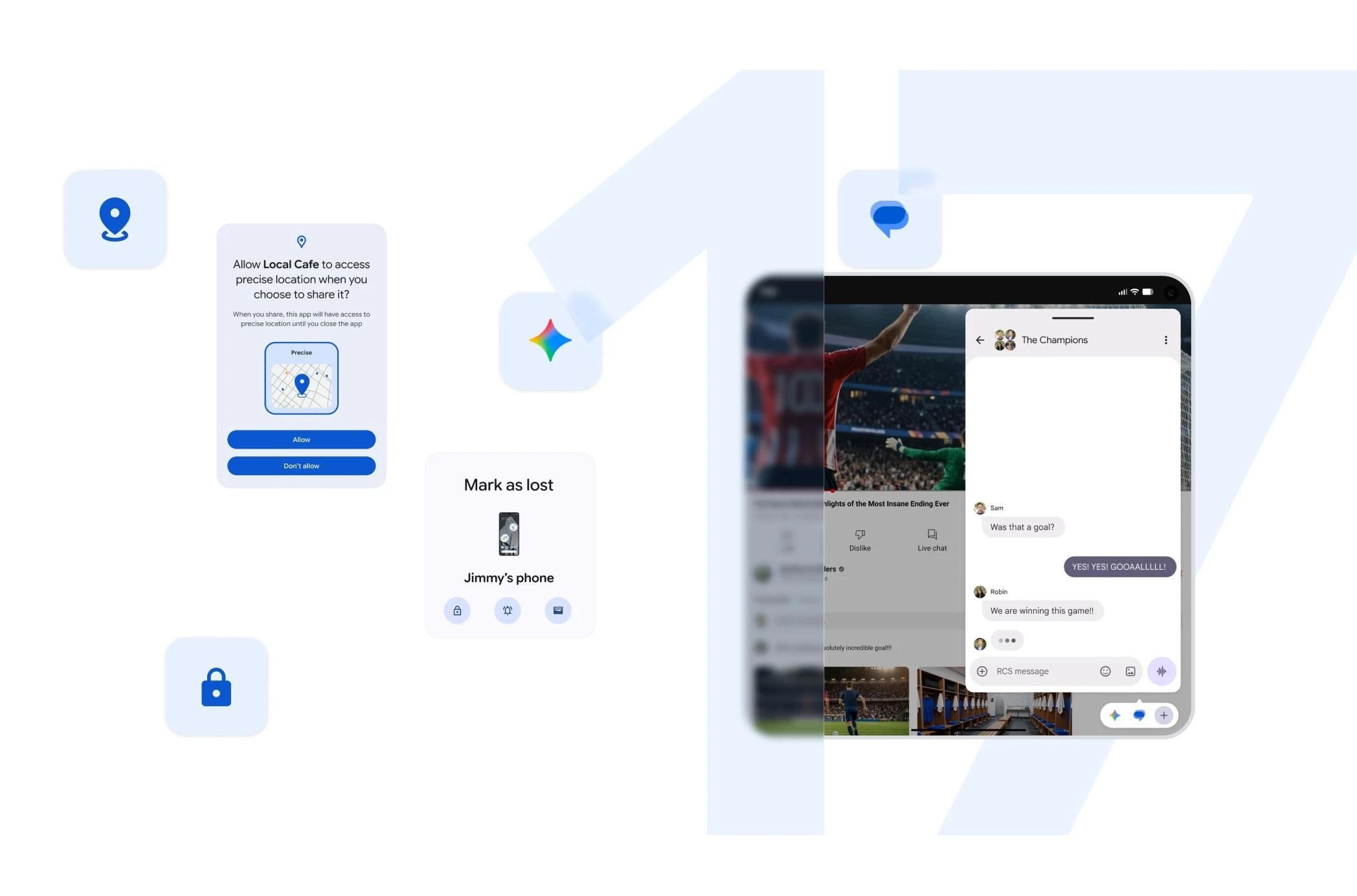
Google released Android 17 on June 16, putting new floating Bubble app windows, a Screen Reaction recording mode and a 50/50 split gaming layout first on most supported Pixel devices, with other phones due in the coming months. For most people, the biggest change is not a flashy demo feature but a more aggressive push toward an adaptive-first Android that behaves better across phones, foldables, tablets and the newer hardware Google wants to unify.
That shift shows up most clearly in mandatory large-screen resizability. Google says apps will have to handle bigger displays more cleanly, a change that matters immediately on foldables and tablets and should reduce the cramped layouts that have long made some Android apps awkward outside a standard handset. Android 17 also expands AppFunctions and ties it to Android MCP, Google’s on-device equivalent of the Model Context Protocol, so AI agents such as Gemini can do more than answer questions. Google says the AppFunctions agent skill can generate Kotlin code, optimize KDocs for LLM tool-calling and produce ADB commands for testing and debugging, with Gemini integration in private preview for trusted testers.
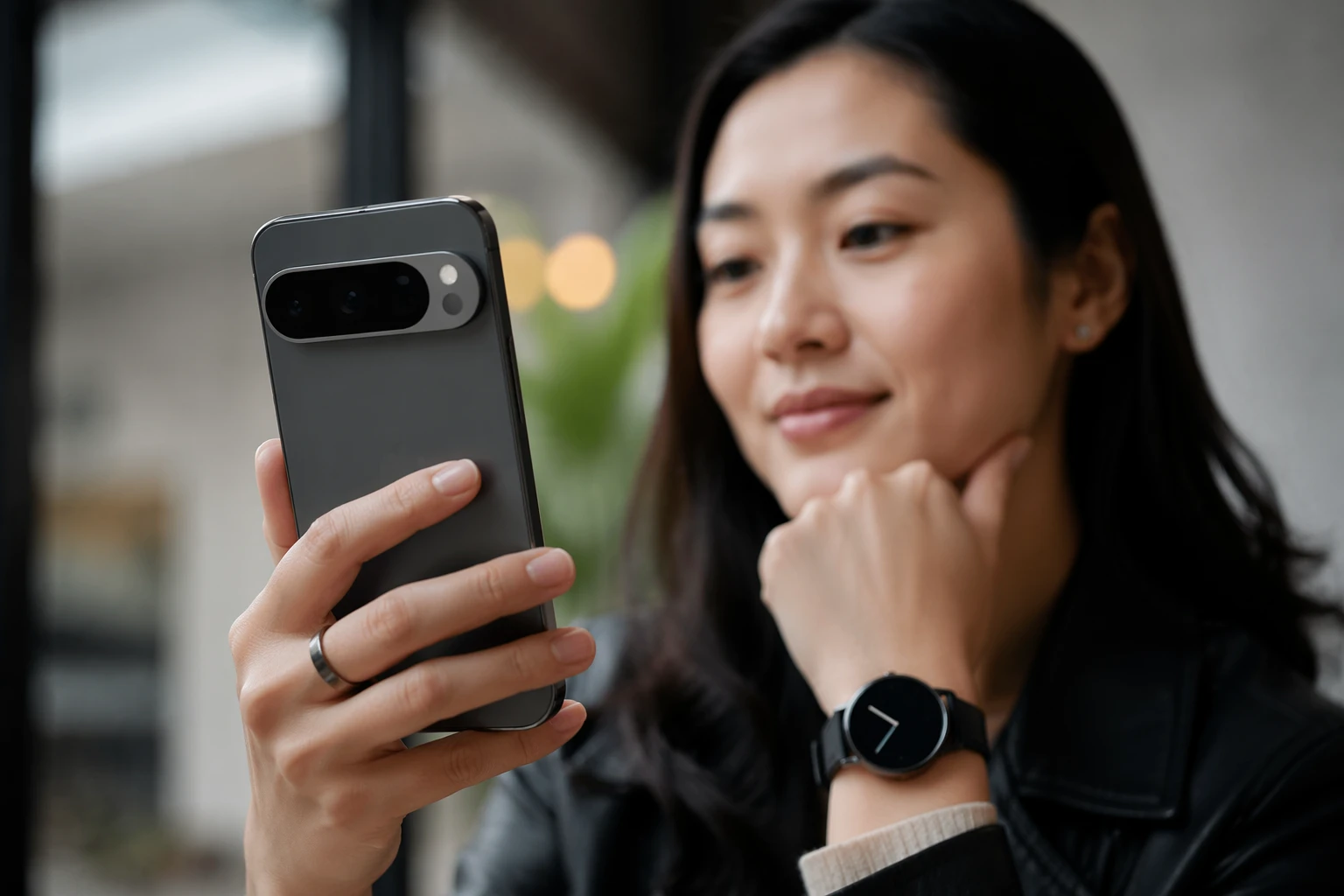
For everyday users, the clearest near-term wins are in multitasking and media. Bubble windows make it easier to keep a conversation or utility floating above another app, while Screen Reaction recording mode is aimed at capturing on-screen activity with less friction. The 50/50 split gaming mode is the kind of change foldable owners will notice right away, because it lets games share the screen instead of forcing one app into a compromise. Google also said Android 17 includes privacy, security, camera, media and performance changes as part of the broader system update.
Wear OS 7 follows the same pattern of practical gains. Announced on May 19 by John Zoeller, it adds Live Updates, enhanced media controls and Wear Widgets powered by Jetpack Glance and RemoteCompose, with small and large card layouts. Google says watches upgrading from Wear OS 6 to Wear OS 7 can expect up to a 10% boost in battery life, a meaningful improvement for a platform where daily charging is still a barrier for many users.
The watch update also prepares the way for Google’s next hardware push. Select watches arriving later in 2026 will come with Gemini Intelligence, and Google said Android XR glasses will launch later this year. Taken together, Android 17, Wear OS 7 and the Android XR roadmap point to a single strategy: make phones, watches and glasses feel like parts of one system, with the most visible benefits landing first on Pixel owners and newer devices.