Technology
Google rolls out Android 17 to Pixel phones with June AI features

Google began rolling out Android 17 to compatible Pixel phones as part of its June Pixel Drop, pairing the operating system update with a broader push into Gemini-powered features. The rollout started today, June 16, and Google said it will continue over the next few weeks, which means Pixel owners will not see every announced feature at once.
The update is arriving first on Pixel devices, alongside Wear OS 7, but Google did not put every feature from its Android Show debut into the first wave. The most practical additions for everyday use are the ones that save time or reduce risk: Screen reactions lets people record selfie video directly into screen recordings, floating app bubbles are meant to make multitasking less clumsy, and expanded real-time voice translation should help conversations move faster across languages. Google also added custom voicemail greetings and emergency features that can automatically notify loved ones during critical incidents.
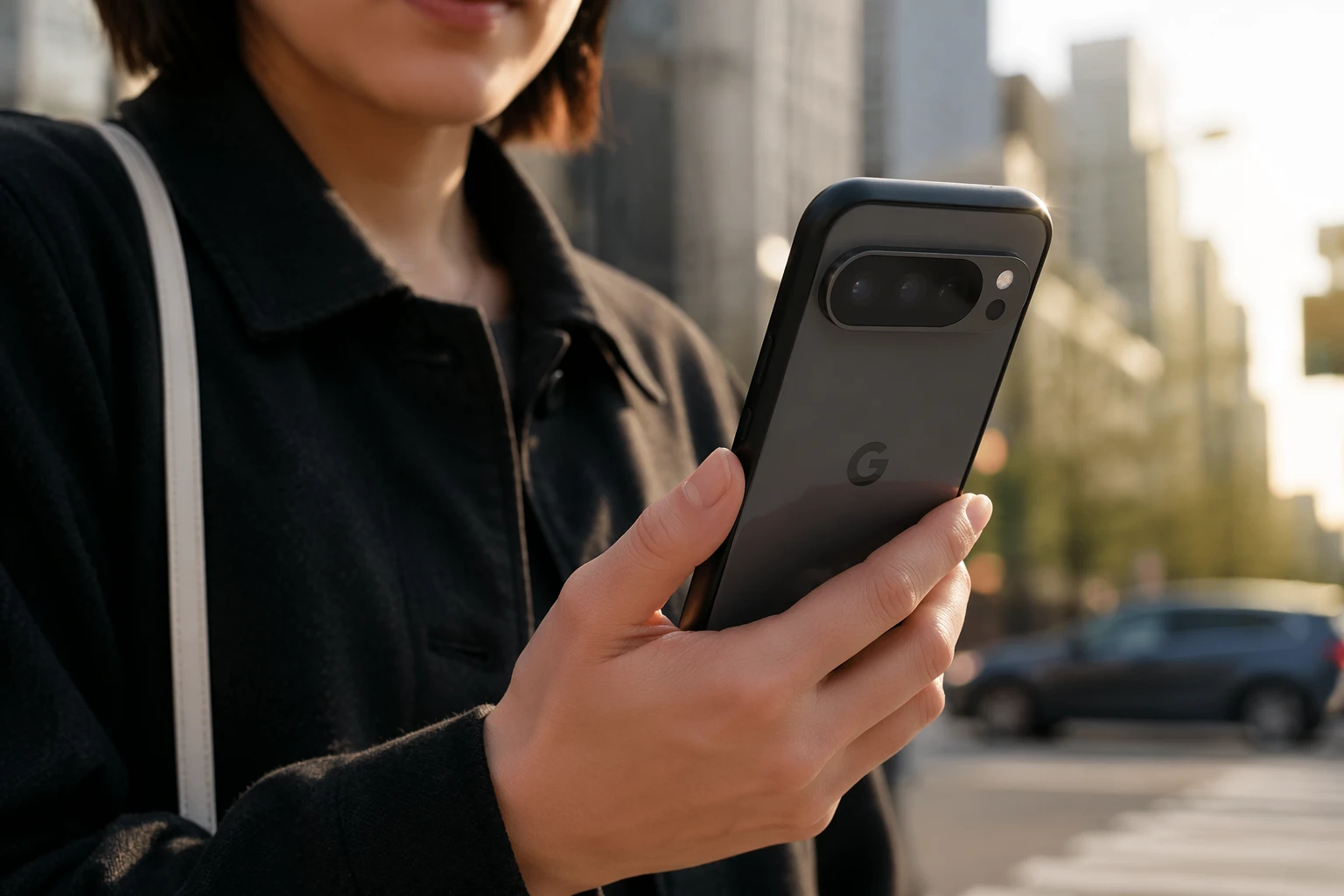
Google is also pushing more trust-and-safety tools into core phone apps. Fake call detection in Phone by Google is designed to verify whether a call is really coming from a contact’s device, while Circle to Search can now identify entire outfits. Google Photos wardrobe, which begins rolling out next week to eligible users in the United States, India and Brazil with Android 10 or later, adds a clothing-organizing layer to the photo library. Those features may sound minor individually, but together they point to a phone that is doing more of the sorting, screening and remembering for the user.
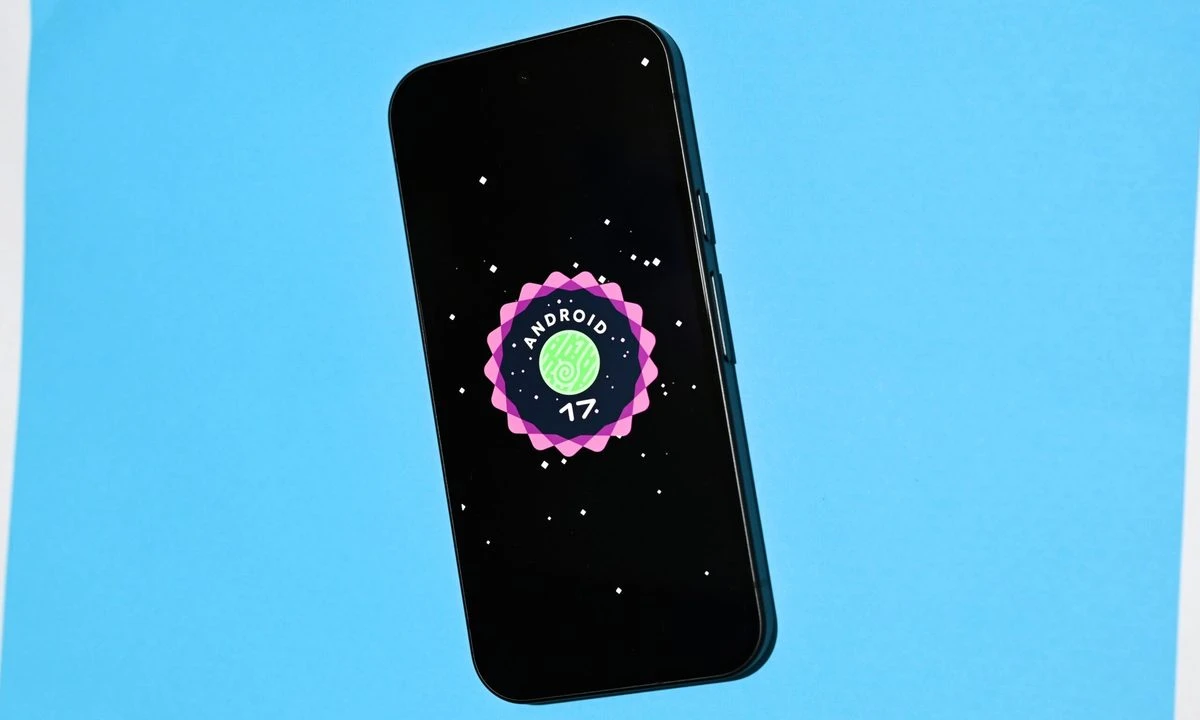
That convenience comes with a trade-off. Google has tied Android 17 to Gemini Intelligence, its new proactive AI layer, which will roll out in waves starting with the latest Samsung Galaxy and Google Pixel phones this summer before expanding to more Android devices later in the year. The same June drop also folds in Gemini tools for creating custom videos, original music tracks and photo edits, plus higher-quality Instagram uploads, on-device AI video and audio enhancement, and an upcoming Adobe Premiere app for Android tablets. The more useful these tools become, the more deeply users have to trust Google’s AI layer to sit between them and routine tasks.
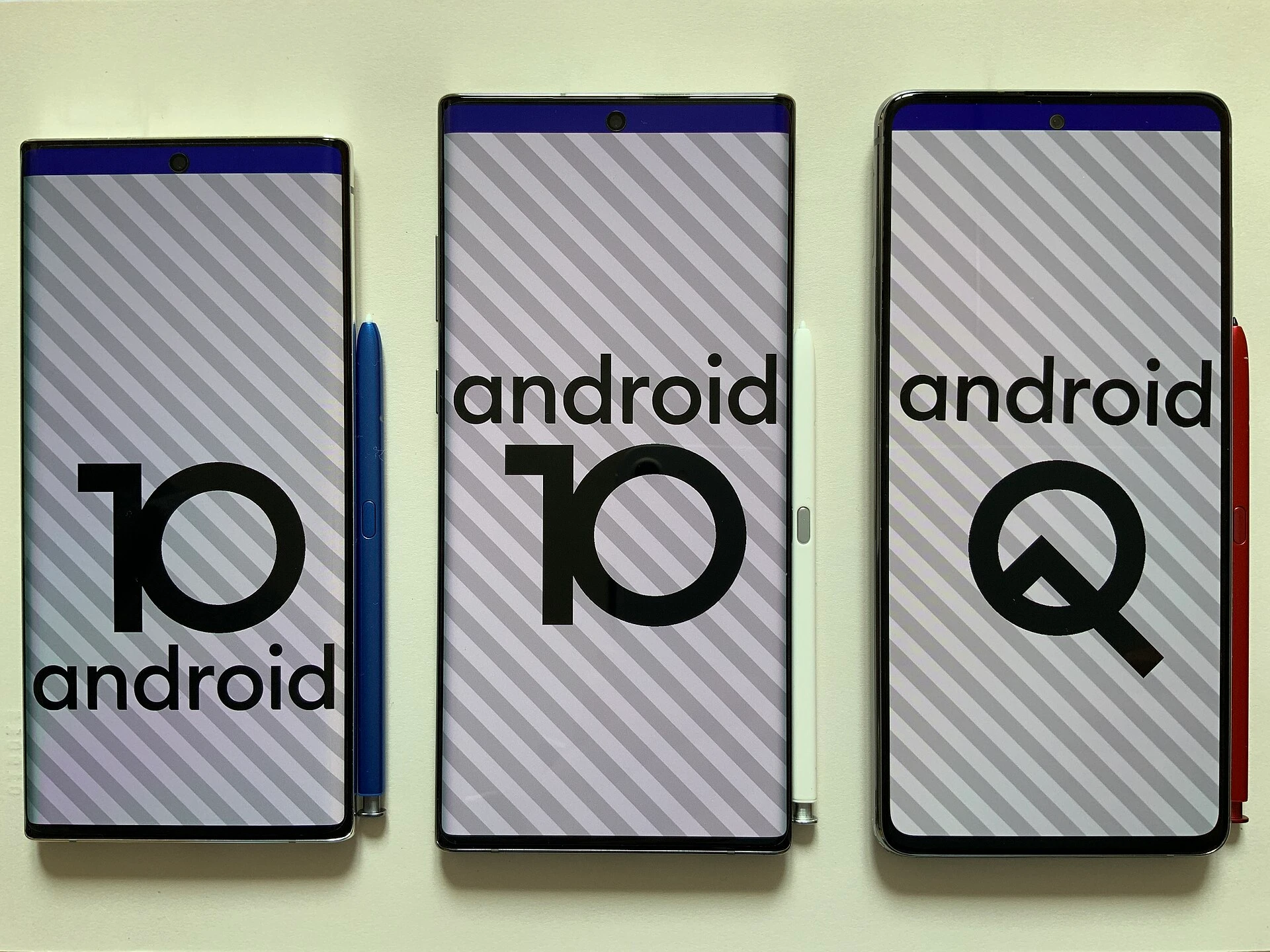
Google’s midyear release strategy is now familiar. The June 2025 Pixel Drop brought Android 16 to Pixel devices, along with Pixel VIPs, custom Gboard stickers, expanded Satellite SOS and accessibility updates. Android 17 is a more aggressive step toward AI-centered phones, and for average users the upgrade looks most meaningful in security checks, communication tools and multitasking, not in flashy demos.
Sources
- [1]theverge.com
- [2]blog.google