Technology
Google to appeal German ruling on AI false information liability
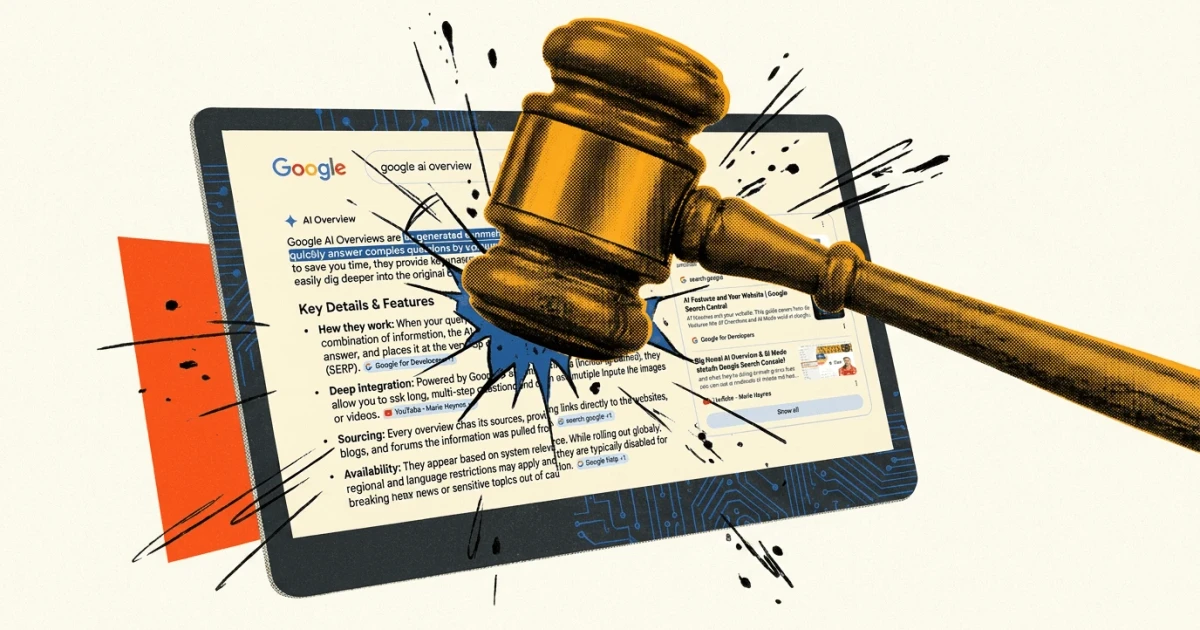
Google will challenge a German court ruling that found the company legally liable for false claims appearing in its AI Overviews, putting one of its most visible artificial intelligence products at the center of a broader test over who answers for machine-generated falsehoods.
The Munich Regional Court issued a temporary injunction on May 28, 2026, in case 26 O 869/26, after two Munich-based publishers argued that Google’s AI Overviews linked them to scams, subscription traps, and dubious business practices even though the underlying pages did not support those allegations. The court treated the summaries as Google’s own content rather than neutral search results, a distinction that could matter far beyond this dispute.
Google said it disagrees with the ruling and will appeal. The company has argued that its AI summaries are generally accurate, while acknowledging that search features can occasionally miss context or misread web content. It framed the case as a narrow dispute over specific errors, not a challenge to the basic design of AI Overviews.
The ruling lands at a sensitive moment for Google, which has made AI Overviews a central part of Search. The company has said the feature is one of its most popular Search products and is used by more than a billion people. In May 2025, Google said AI Overviews were available in more than 200 countries and territories and in more than 40 languages. Google launched the feature in Search in May 2024, then later added more prominent links and in-line citations to supporting websites.

That design change now looks likely to face closer scrutiny. If a court decides that generated text itself can create liability when it contains falsehoods, the consequences could extend to product design, moderation standards, and publisher relationships for major AI companies operating across borders. The German ruling is being watched because it raises the basic question that now confronts the industry: when an AI system invents damaging claims, who is responsible, the model maker, the platform, or someone else?
For Google, the appeal turns this from a single injunction into a precedent-setting fight over the legal status of AI-generated summaries. For the wider industry, it may help define how much protection links and citations really provide when the text above them is wrong.
Sources
- [1]money.usnews.com
- [2]blog.google
- [3]the-decoder.com