Technology
Google Unveils ‘Desktop Camera’ App, Signaling Push Into Android PCs
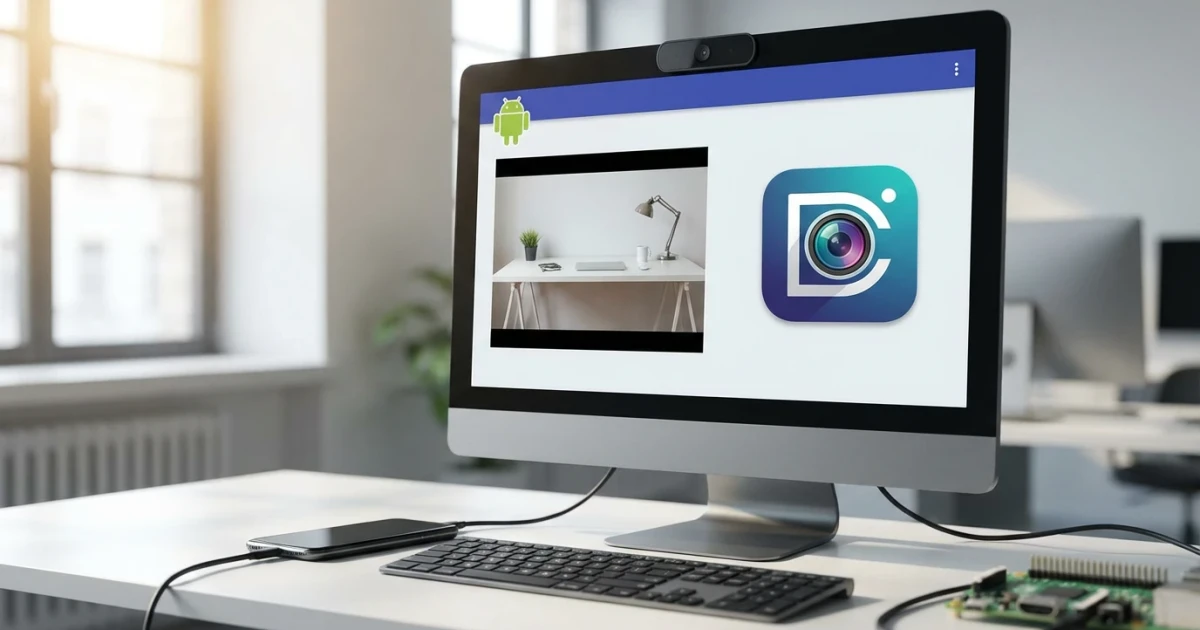
Google has officially launched the ‘Desktop Camera’ app, a move that suggests the tech giant is preparing for a significant expansion of Android into the desktop PC space. This release, coupled with recent leaks of a full Android desktop interface, signals a strategic shift in Google’s approach to cross-device computing.
Breaking Down the Desktop Camera App
The new ‘Desktop Camera’ app is designed specifically for desktop environments, marking a notable departure from Google’s traditional focus on mobile devices. While the company has not yet provided an official, detailed feature breakdown, initial reports suggest the software will enable users to access and control their device’s camera directly from an Android-powered PC.
- Optimized for desktop use, with a full-screen interface
- Potential integration with video conferencing and productivity apps
- Hints at broader hardware support for webcams and external cameras
This application arrives at a time when the demand for robust video connectivity on desktop platforms remains high, especially for remote work and online collaboration scenarios.
Android’s Desktop Ambitions: Interface Leaks and New Features
The debut of ‘Desktop Camera’ coincides with leaked information revealing a comprehensive Android desktop interface. Screenshots and early videos show a revamped status bar, support for Chrome Extensions, and new multi-window features that closely resemble those found in established desktop operating systems.
- New status bar optimized for mouse and keyboard navigation
- Deep integration with Chrome and web-based productivity tools
- Enhanced multi-tasking and window management capabilities
These innovations suggest Google is positioning Android as a viable alternative to traditional desktop platforms, challenging the dominance of Windows, macOS, and Chrome OS in the PC market.
Implications for Users and the Android Ecosystem
The release of the ‘Desktop Camera’ app and the emergence of a desktop-centric Android interface could have profound implications for both users and developers:
- For users: Greater flexibility in device choice, bridging the gap between mobile and desktop experiences
- For developers: New opportunities to create desktop-optimized Android applications and leverage existing Android ecosystems
- For Google: A chance to unify its software offerings across device types and increase adoption in enterprise and educational settings
Looking Forward
While Google has not officially confirmed a release timeline for a full Android desktop operating system, the arrival of the ‘Desktop Camera’ app and the ongoing interface enhancements point to a future where Android-powered PCs could become commonplace. As more details emerge and the platform matures, industry watchers will be keen to see how Google’s strategy unfolds—and whether Android can truly redefine what users expect from their desktop experience.
Sources
- [1]9to5Google