Technology
Google Vids adds personalized AI avatars for workplace videos
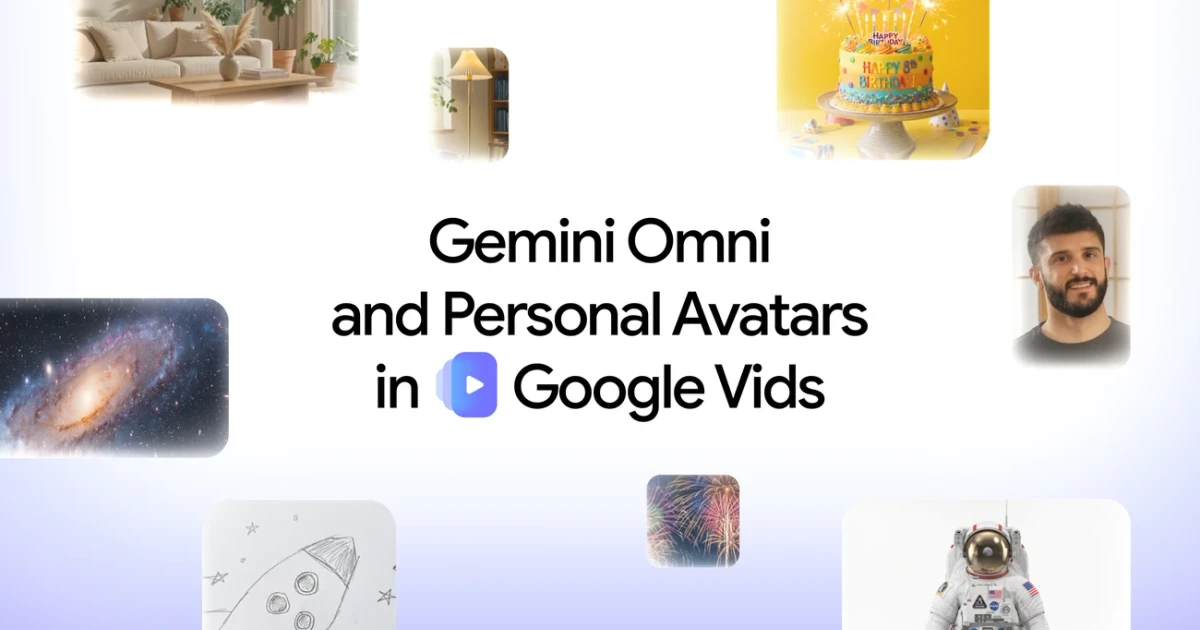
Google has added personalized AI avatars to Vids, letting workers create workplace videos starring a digital version of themselves. The feature arrives alongside Gemini Omni-powered tools for generating and editing clips from prompts and reference images, pushing Vids deeper into the role Google first assigned it as a workplace video tool.
Google announced Vids on April 9, 2024, and made it generally available in November 2024. By August 27, 2025, Google said it was adding more generative AI tools to Vids, including an image-to-short-video experience powered by Veo 3, extending a product that now sits at the center of the company’s workplace video strategy.
The avatar rollout has been staged. Google Workspace posted about “Deliver your message with AI avatars in Google Vids” in August 2025, while Google Help maintains a support page titled “Use AI avatars in Google Vids” and a separate Workspace Experiments version of the feature. The product page for “AI Avatars for Business with Google Vids” and the help material indicate that availability depends on plan level and Workspace admin settings, not a single universal launch.
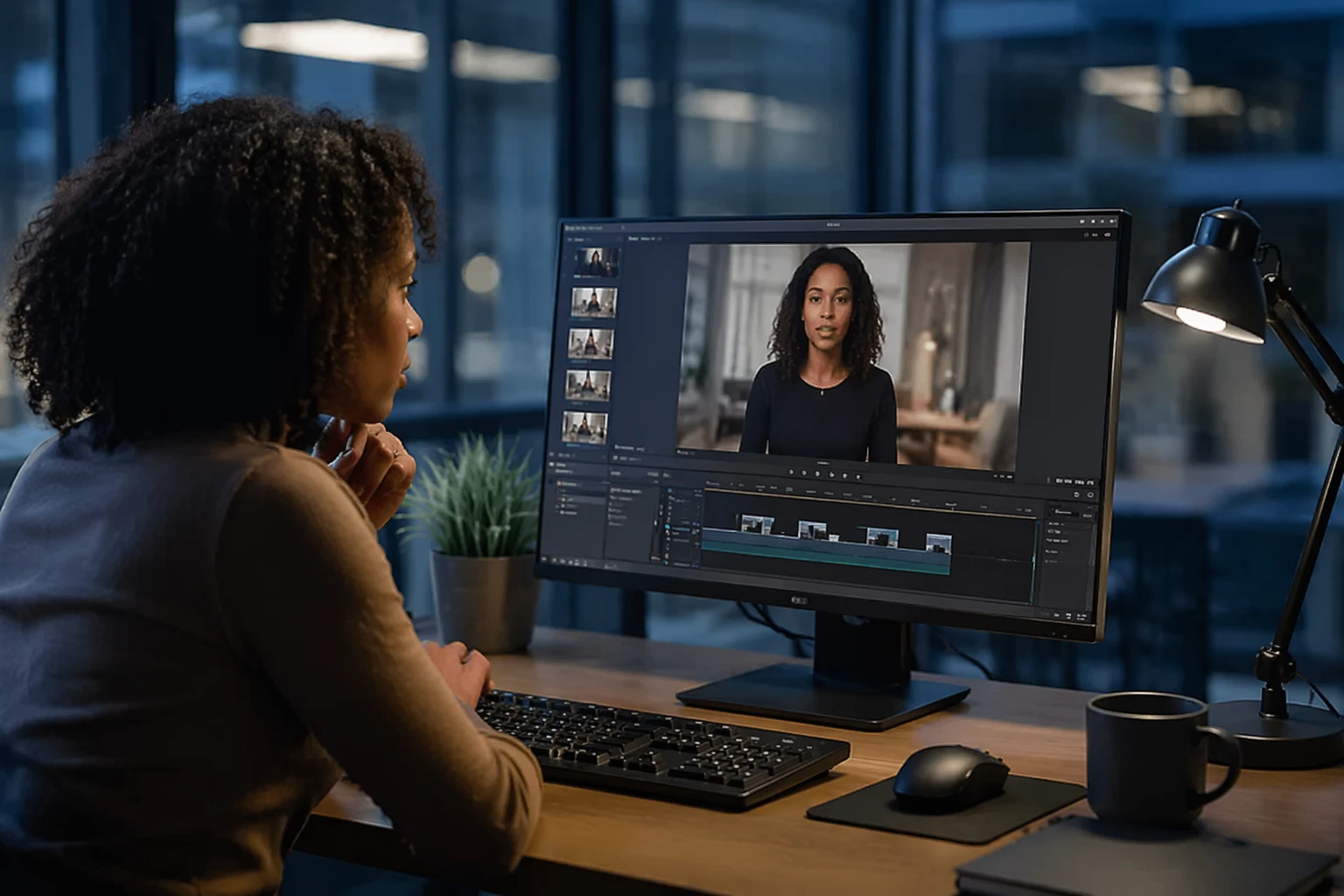
That gating matters because Vids is not being framed as a novelty app. Google Workspace describes it as a tool to help people tell stories across an organization, a description that places avatars into training modules, internal updates and marketing videos where a manager, executive or trainer might otherwise have to record the same message repeatedly. Google’s 2026 Workspace materials went further, saying AI avatars in Vids were available for free users and that broader updates were designed to help people create professional work videos at no cost.
The practical upside is obvious: a polished message can be produced without a camera crew, a quiet room or a live presenter. The harder question is what happens when a synthetic version of an employee becomes routine inside office communication. Consent, impersonation and the pressure to be always available become part of the product discussion, along with a basic trust problem: who is allowed to generate the avatar, and how will a viewer know the video is authentic?
Those concerns sharpened as Google kept expanding the system. The August 2025 push into Veo 3-powered image-to-video generation showed the company widening the same pipeline that now supports avatars, prompts and edits in one workspace workflow. The update also landed amid broader worries about AI-generated slop and the effect on creators, making Vids a case study in how quickly synthetic identity can move from experiment to office habit.