Technology
Google will label ads created or edited with generative AI
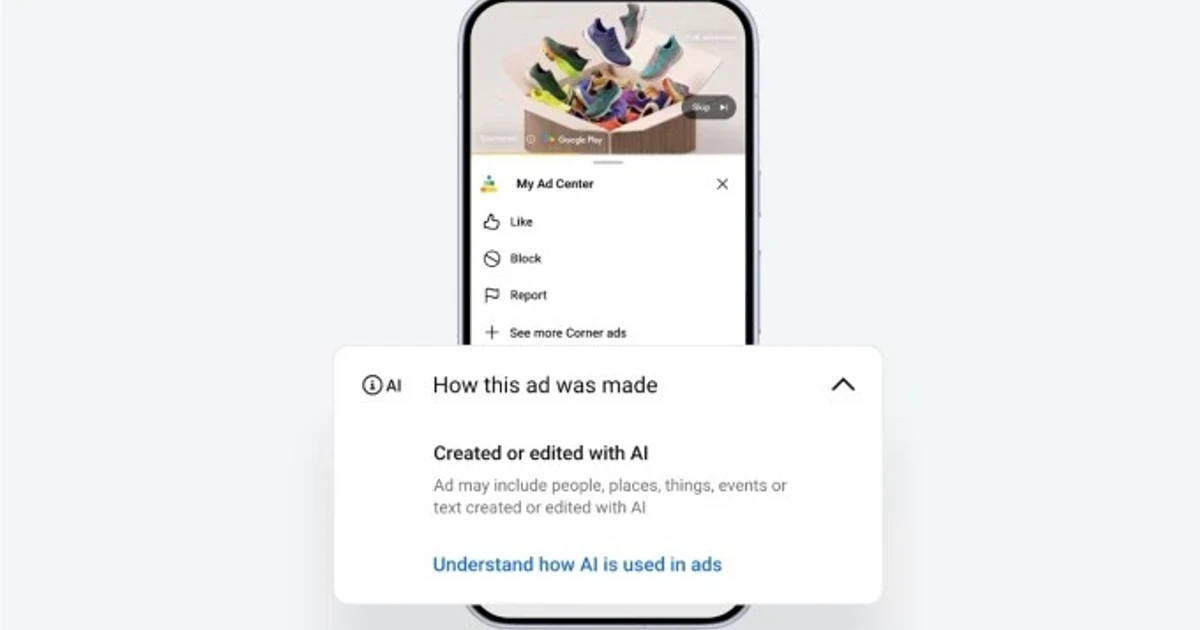
Google said it is adding a “How this ad was made” section to My Ad Center, a new disclosure layer that will show whether an ad was created or edited with generative AI across Search, YouTube and Discover. The panel will be accessible globally from the three-dot menu or info icon on ads, and Google said the label may also appear directly on the ad where local rules require it.
The change pushes Google’s ad transparency policy beyond the election-ad rules it introduced in 2023 for synthetic or digitally altered campaign material. It also extends a system that leans on several different signals: ads made with Google’s own generative AI ad tools will be automatically labeled, while advertisers using other AI tools can manually indicate AI use. Google said it already embeds imperceptible SynthID signals into outputs from its own generative AI tools.
That structure makes the policy more visible, but not fully self-auditing. A label in My Ad Center can tell users an ad was touched by AI, yet Google’s own setup still depends in part on advertiser disclosure when non-Google tools are used, and on local requirements when the label appears on the ad itself. The company is widening the disclosure surface, not eliminating the need for trust in the advertiser’s or platform’s own classification.

Google has paired the announcement with a broader defense of its ad-safety systems. In its 2024 Ads Safety Report, the company said it launched more than 50 large language model enhancements, permanently suspended more than 700,000 offending advertiser accounts and saw reports of AI-generated public-figure impersonation scam ads fall 90% last year. Those numbers show the scale of the abuse problem Google says it is trying to contain while AI tools become more common in ad production.
The disclosure push also lands amid industry pressure for clearer standards. On January 15, 2026, the Interactive Advertising Bureau released what it called the industry’s first AI Transparency and Disclosure Framework. The group said the framework uses a risk-based model rather than blanket labeling and is designed to build consumer trust while reducing regulatory risk.
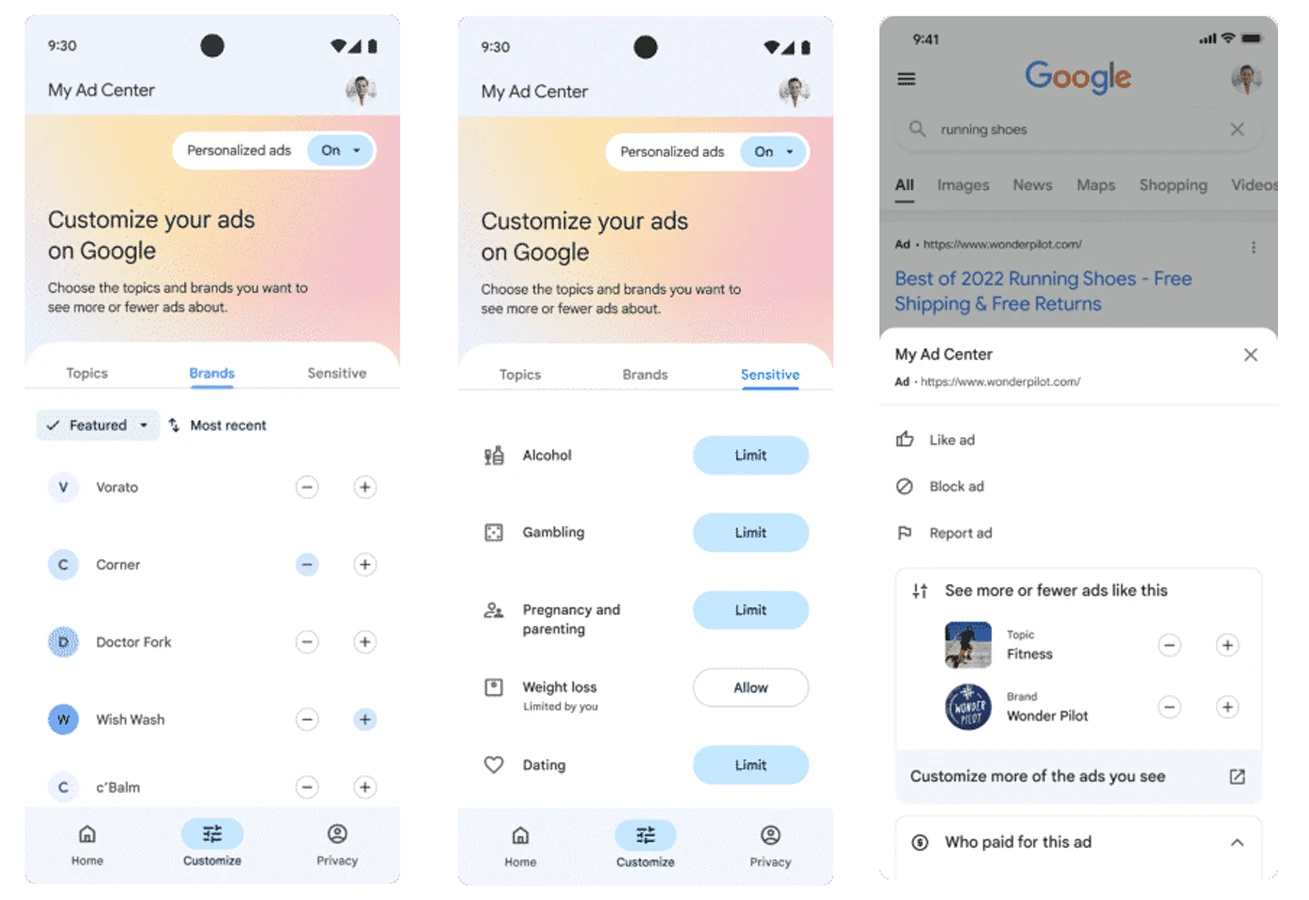
Google’s new labels fit into a larger 2026 wave of AI-related ad changes across its advertising products. The immediate question is whether those labels give consumers a real way to audit persuasion online, or whether they make synthetic marketing easier to normalize by turning AI use into just another line item in the ad interface.
Sources
- [1]techcrunch.com
- [2]blog.google
- [3]iab.com