Politics
GOP Adds $1 Billion Ballroom Project to Immigration Bill
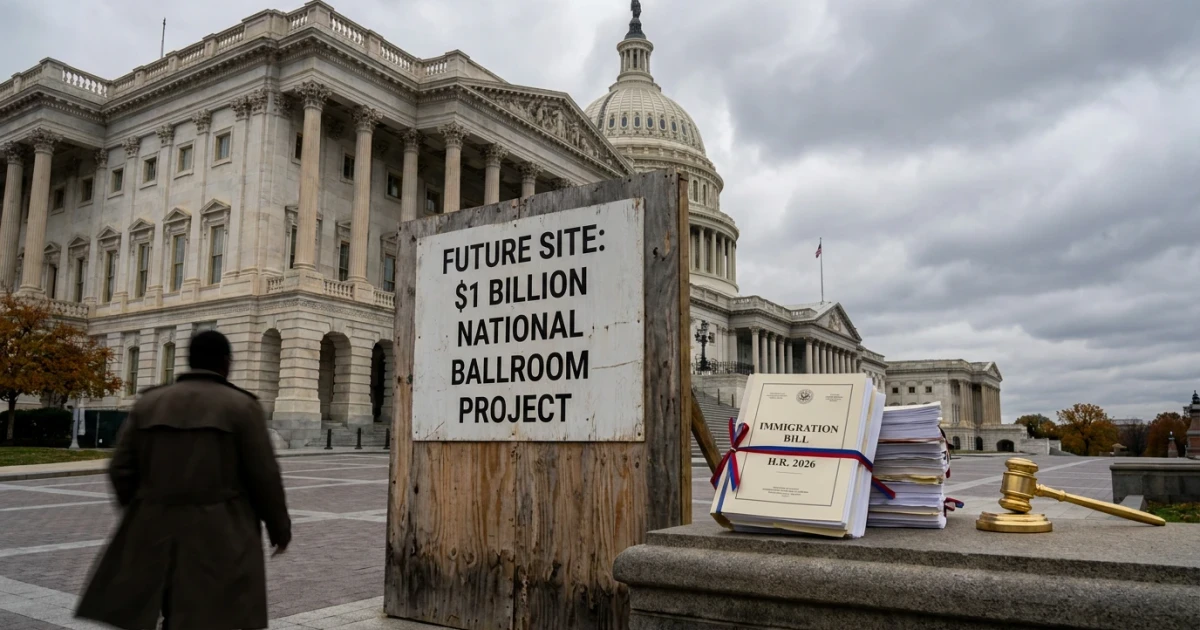
Republican lawmakers have drawn attention with a proposal to allocate $1 billion for a ballroom project associated with former President Trump as part of the latest immigration bill, according to The New York Times. The provision, inserted into the Secure the Border Act of 2023, has ignited controversy over the use of federal funds and the intersection of immigration policy and high-profile infrastructure spending.
Ballroom Funding Sparks Bipartisan Questions
The ballroom project, reportedly tied to a property connected with Donald Trump, stands out in a broader legislative package designed to address border security and immigration enforcement. The New York Times reported that the $1 billion allocation, embedded within the sweeping bill, has raised eyebrows among both Democrats and some Republicans. Critics question the relevance of such a project to the bill’s stated intent of strengthening border controls and managing immigration flows.
- The Secure the Border Act of 2023 is a cornerstone of Republican immigration policy efforts in the current Congress.
- The $1 billion earmark for the ballroom represents a significant portion of the bill's discretionary spending.
- According to the Congressional Budget Office, the total cost of the bill’s provisions would add billions to federal expenditures over the next decade.
While the bill’s primary focus remains on border wall construction, technological upgrades, and increased personnel for the Department of Homeland Security, the ballroom project has become a symbol of contested spending priorities. Lawmakers and watchdog groups have pointed to the project as an instance of potential questionable appropriations within major legislation.
Debate Over Immigration and Infrastructure Spending
Supporters of the bill argue that the funding for the ballroom would foster economic development in border regions, potentially serving as a venue for international meetings and community events. Opponents counter that the line item does not directly advance border security objectives and could divert resources from more urgent enforcement measures. The Department of Homeland Security’s own statistics show a continued need for investment in personnel, surveillance, and detention capacity.
- The bill also includes billions in funding for border wall construction, new detention facilities, and border technology upgrades.
- Historical analysis by the Congressional Research Service notes that immigration-related appropriations have typically focused on enforcement and humanitarian programs, not hospitality infrastructure.
Political Implications and Next Steps
The ballroom provision’s inclusion comes amid a contentious election season, with both parties seeking to frame immigration as a key campaign issue. The New York Times noted that the bill faces an uncertain path in the Senate, where Democrats have signaled opposition to the ballroom funding and other unrelated expenditures. The White House has not yet commented on whether President Biden would veto the package if it reached his desk with the ballroom funding intact.
As the debate continues, the controversy highlights the complex interplay between policy, politics, and spending in federal immigration legislation. Observers expect continued negotiations and possible amendments as the bill moves through Congress.
For readers interested in tracking the legislation’s progress or reviewing the bill’s language, the full text of the Secure the Border Act of 2023 is available on Congress.gov. The CBO cost estimate and official immigration statistics offer further context on the fiscal and operational impacts of the proposed law.