Politics
GOP Divisions Stall Progress on DHS Funding
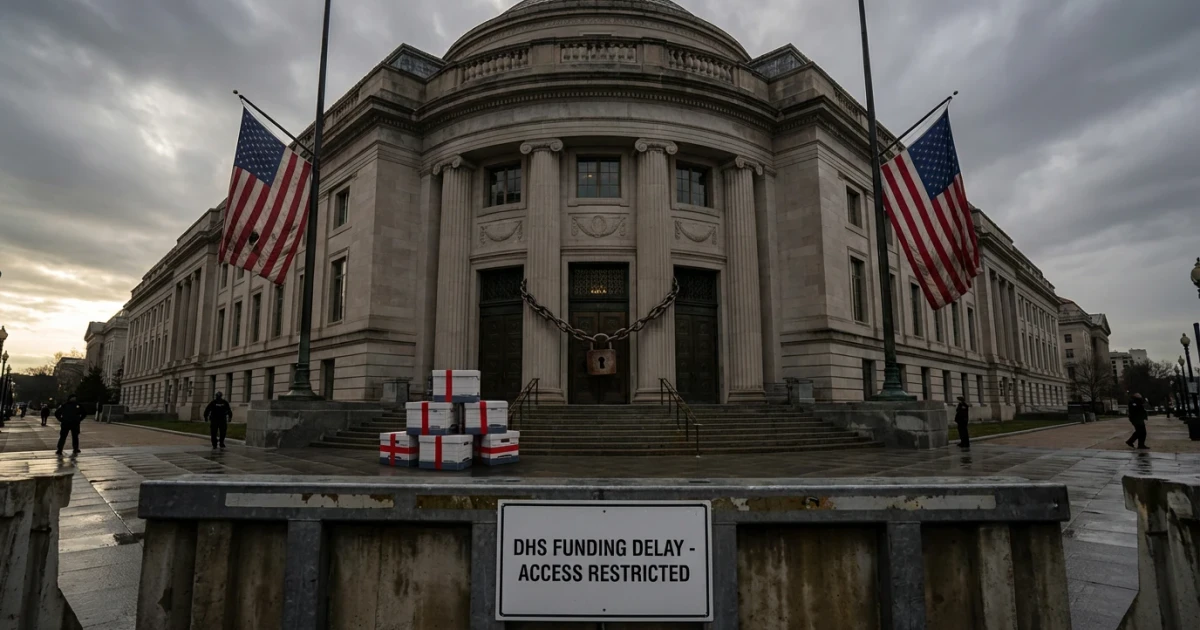
Republican divisions and former President Donald Trump’s hands-off approach have stalled efforts to reopen the Department of Homeland Security (DHS), leaving the agency in funding limbo and raising concerns about national security operations. This impasse, as reported by The Hill, highlights ongoing challenges within the GOP as leaders attempt to rally enough support for a funding agreement.
Internal Disagreements Hamper Negotiations
Republican lawmakers have struggled to find common ground on the DHS appropriations bill, with party members split over spending levels, border security priorities, and policy provisions. According to The Hill, some Republicans are pushing for more stringent border measures, while others warn that hardline stances risk prolonged shutdowns and operational disruptions.
- Factions disagree on how much to allocate for border enforcement versus other DHS missions.
- Disputes over the inclusion of controversial immigration policies have complicated talks.
- Attempts to bridge differences have met resistance from both moderate and conservative wings of the party.
This gridlock underscores the difficulties facing congressional leaders as they seek a consensus that will secure enough votes to pass funding legislation.
Trump’s Detached Role Complicates Efforts
While the former president remains an influential figure within the GOP, The Hill notes that Trump’s detachment from direct negotiations has added another layer of uncertainty. In previous shutdown standoffs, Trump played a more active role, but his current distance has left lawmakers without clear guidance, making it harder to unify the caucus around a single strategy.
Some analysts suggest that Trump’s silence may be a tactical move, allowing party factions to battle out priorities without his immediate intervention. However, others argue that his lack of engagement has deprived Republican leaders of a unifying voice, slowing progress toward a resolution.
Operational Impact of the Funding Stalemate
The ongoing uncertainty has real-world consequences for the Department of Homeland Security’s mission, which spans border security, disaster response, and counterterrorism. According to the Congressional Budget Office, delays in funding could disrupt critical operations, lead to furloughs, and limit the agency’s ability to respond to emerging threats.
- The Congressional Research Service notes that DHS appropriations have historically been contentious, with shutdowns resulting in operational slowdowns and overtime costs.
- The Government Accountability Office has highlighted management challenges that are exacerbated during funding lapses, including delays in technology upgrades and workforce retention issues.
Prolonged funding gaps could impact border patrol operations, cybersecurity defenses, and disaster relief efforts, according to agency assessments.
Political Stakes and Path Forward
The political risks for Republicans are significant. As the party in control of the House, failure to resolve internal disputes and restore DHS funding could fuel criticism from both Democrats and voters concerned about national security. The Hill’s coverage indicates that GOP leaders face mounting pressure to demonstrate effective governance, particularly ahead of looming election cycles.
Experts at Brookings have observed that government shutdowns often reflect deeper partisan tensions and can have lasting effects on public trust in institutions. The current stalemate, rooted in policy disagreements and leadership dynamics, illustrates the complexity of navigating appropriations battles in a divided Congress.
Conclusion
As Republican divisions persist and Trump maintains a measured distance, the path to reopening the Department of Homeland Security remains uncertain. The inability to quickly resolve funding differences not only threatens agency operations but also highlights broader challenges facing Congress in governing effectively. With national security responsibilities hanging in the balance, lawmakers will need to find a compromise or risk further operational setbacks at a critical federal agency.