Politics
GOP Senators Criticize Reported 60-Day Ceasefire Deal With Iran
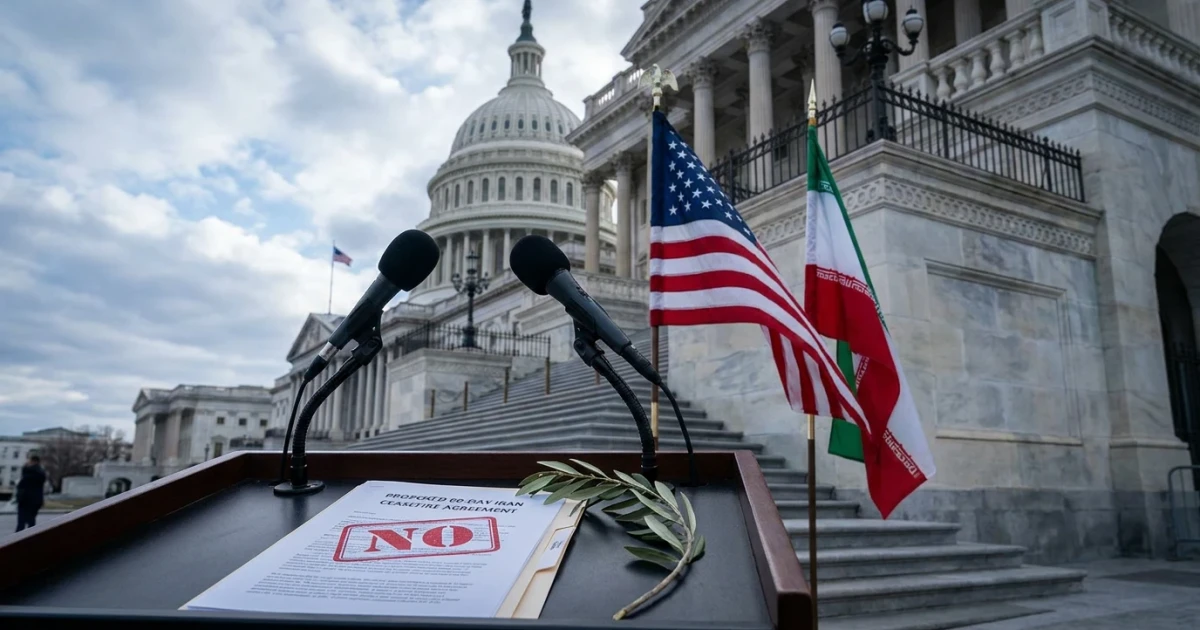
Republican Senators Lindsey Graham and Roger Wicker have voiced strong criticism of recent reports suggesting the U.S. is considering a 60-day ceasefire deal with Iran, underscoring persistent Republican concerns about Tehran's regional ambitions and the effectiveness of diplomatic engagement.
Senators Graham and Wicker Respond to Ceasefire Reports
According to The Hill, both senators swiftly condemned the idea of a short-term ceasefire deal, arguing it could embolden Iran's activities in the Middle East and undermine U.S. strategic interests. While details of the alleged agreement remain sparse, Graham and Wicker's statements reflect a broader skepticism among some in Congress regarding negotiations with Tehran.
- Lindsey Graham has long been outspoken on foreign policy, sponsoring and cosponsoring numerous bills related to Iran and defense.
- Roger Wicker has also been active in legislation addressing Iran and regional security.
Concerns Over Iran’s Regional Activities
Republican lawmakers have repeatedly cited U.S. State Department assessments that identify Iran as a significant actor in supporting regional proxy groups and in activities that threaten U.S. allies. The most recent Country Reports on Terrorism highlight ongoing concerns about Iran’s provision of arms and resources to groups in Lebanon, Syria, Yemen, and beyond.
Senators Graham and Wicker’s opposition to a ceasefire reflects a widespread belief among their party that diplomatic pauses may be exploited by Iran to regroup or strengthen its military position. Previous ceasefires and agreements have been met with similar skepticism, with critics arguing that robust enforcement of existing sanctions and continued pressure remain the most effective tools to counter Tehran’s influence.
Sanctions and Legislative Actions
Both senators have actively participated in shaping U.S. policy on Iran, supporting sanctions and military aid to regional partners. The Iranian Transactions and Sanctions Regulations continue to restrict financial and commercial engagement with Iran, targeting its oil exports, banking sector, and military procurement.
For years, Congress has also debated the effectiveness of UN Security Council sanctions and whether new measures are necessary to address Iran’s evolving tactics. Data compiled by the Stockholm International Peace Research Institute (SIPRI) tracks ongoing arms transfers in the region, a key area of concern for U.S. lawmakers.
Broader Context and Implications
Calls for caution in dealing with Iran are not new. Both the Congressional Research Service and the Council on Foreign Relations have published analyses outlining Iran’s military capabilities, foreign policy objectives, and the challenges facing U.S. negotiators.
- Iran maintains a complex network of conventional and asymmetric forces, often operating through proxies.
- Sanctions have significantly impacted Iran’s economy, but the country has adapted with alternate trade and military strategies.
While the Biden administration has not formally confirmed the details of any new ceasefire arrangement, the criticism from Graham and Wicker signals likely opposition in the Senate should any formal agreement be brought forward. Their statements reflect ongoing divisions in Washington over the best approach to Iran, and underscore the complexities of balancing diplomatic outreach with security demands.
Looking Ahead
As the U.S. considers its next steps, the debate over engagement versus pressure on Iran is expected to continue. Lawmakers, analysts, and international partners will closely watch any developments related to a ceasefire, examining whether diplomatic openings can produce lasting security or if, as some warn, they risk emboldening Tehran.