World
Gor pushes India trade deal, reshapes U.S. diplomacy in New Delhi
Sergio Gor has turned the U.S. post in New Delhi into a test case for a new kind of American diplomacy, one that treats the ambassador as a political operator, trade advocate and institutional shaper all at once. From India’s capital, Gor has pushed an interim trade deal while helping reverse a long-planned embassy building path, a move that has surprised career diplomats watching the mission evolve.
At a May 23 dedication ceremony for a new U.S. Embassy Support Annex in New Delhi, Marco Rubio stood beside Gor and said the building would make the mission more efficient. The State Department paired the ceremony with a broader economic message, saying Indian companies had committed $20.5 billion to the U.S. economy and linking the mission’s work to a goal of reaching $500 billion in bilateral trade in coming years. The message was clear: the embassy was not just a diplomatic outpost, but a commercial platform.
The same turn showed up again on June 5, when U.S. Mission India said Under Secretary Sarah B. Rogers had concluded a visit through May 29 focused on digital infrastructure, intellectual property, agricultural trade and research collaboration. Those priorities reinforced how the relationship is being widened beyond traditional security ties and into the mechanics of commerce, technology and market access.
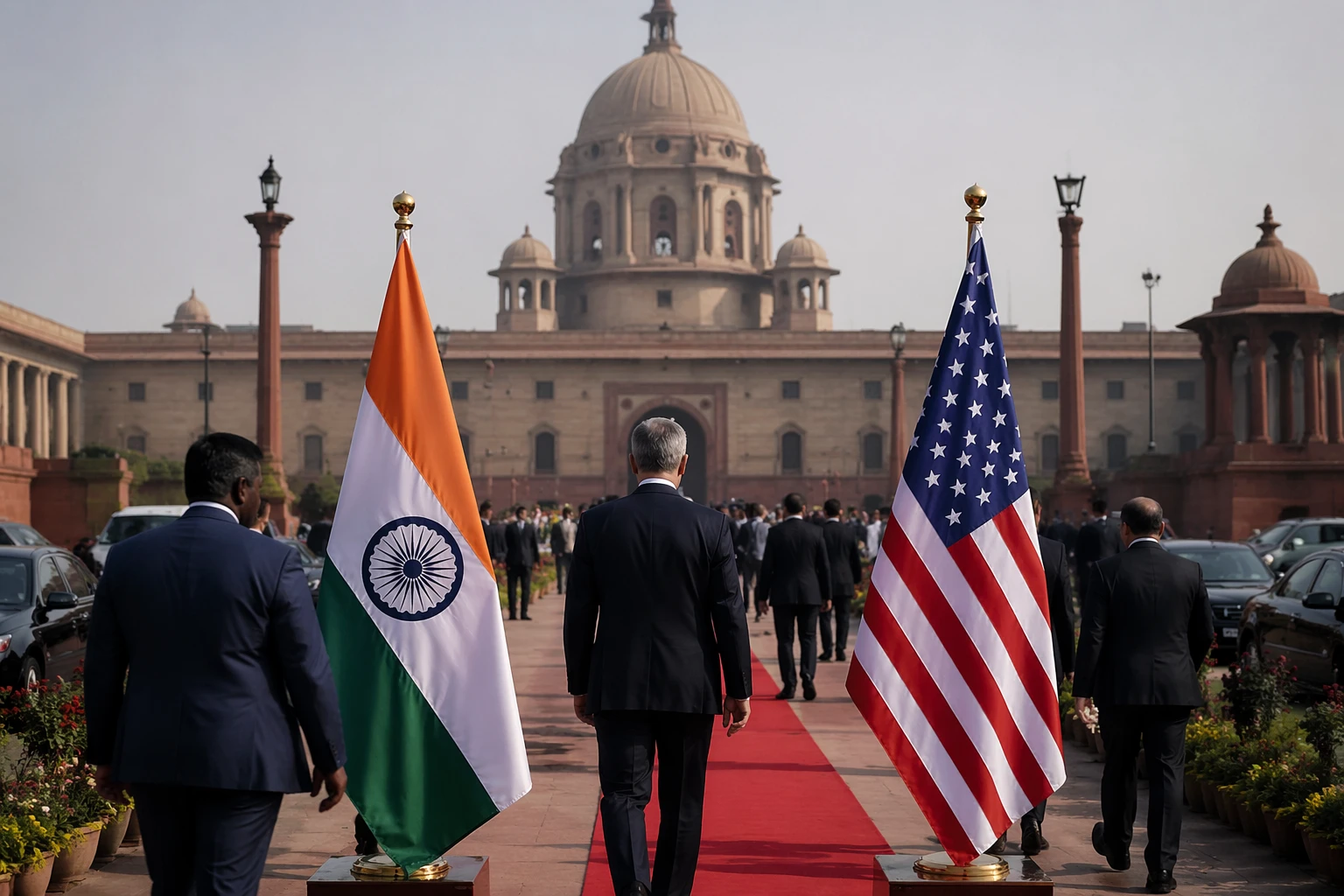
Gor has also made the trade talks themselves a public centerpiece of his role. On June 3, he said the India-U.S. trade agreement was "99% there" and that the remaining 1% was still being finalized, signaling that Washington and New Delhi were close to an interim deal after months of negotiations. That language echoed what he told senators during his September 2025 confirmation hearing, when he said the two countries were "not that far apart right now" on a trade deal and described India as a strategic partner.
The embassy compound in New Delhi has been the backdrop to that shift. WSP has described the work there as a renovation and addition project, while Weiss/Manfredi said it had been commissioned by the State Department to re-envision the embassy compound. Gor’s reversal of a long-planned building path has made the mission a revealing case study in how embassy power is being reconfigured around deals, commercial priorities and personal political loyalty, often at the expense of older diplomatic habits.