U.S.
Gordon S. Wood, influential historian of the American Revolution, dies at 92
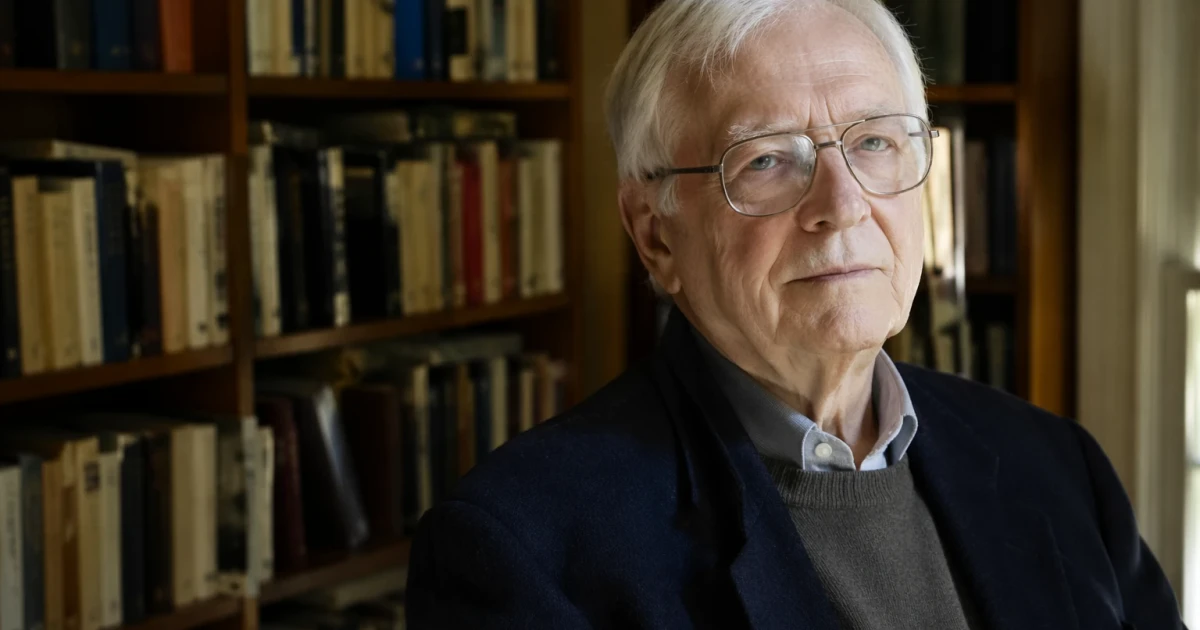
Gordon S. Wood, the Brown University historian whose work became central to modern arguments over the American Revolution, died Sunday after being struck by a car in a supermarket parking lot in East Providence, Rhode Island. He was 92. Police said the driver remained at the scene, was cooperating, and was not facing charges in the initial report.
Wood spent decades defining how students, scholars and the broader public understood the founding era. Through books such as The Creation of the American Republic, 1776-1787 and The Radicalism of the American Revolution, he argued that the Constitution was unintentionally subversive and that the decisions of elite founders helped transform the social order, placing him at the center of disputes over democracy, the early republic and the meaning of the nation’s origins.
His scholarship made him one of the most cited historians of his generation. The Creation of the American Republic was published in 1969 and won the Bancroft Prize and the John H. Dunning Prize the following year. The Radicalism of the American Revolution, published in 1992, won the Pulitzer Prize for History and the Ralph Waldo Emerson Prize in 1993, cementing Wood’s place in the field.
Brown University, where Wood taught from 1969 until emeritus status, said he had previously taught at Harvard University and the University of Michigan. In 2011, President Barack Obama presented him with the National Humanities Medal at a White House ceremony on March 2, recognizing scholarship that deepened understanding of the humanities and the nation’s founding. Brown later described Wood as an inspiring teacher, a generous mentor and a deeply treasured member of the university community for decades.

Wood’s influence stretched well beyond his earliest successes. Later books included The Americanization of Benjamin Franklin in 2004, Revolutionary Characters: What Made the Founders Different in 2006, and The Idea of America: Reflections on the Birth of the United States in 2011. He also revisited the relationship between liberty and slavery, even as younger scholars increasingly criticized his work as too old-school and for giving insufficient attention to slaves, women and Indigenous people.
That tension helped define Wood’s legacy. He did not just recount the Revolution; he shaped the national argument about who the founders were, what the Constitution did, and whether the early republic fulfilled or betrayed its promises. With the country approaching its 250th anniversary, his death closes a long chapter in the history of how Americans have been taught to remember their beginnings.
Sources
- [1]apnews.com
- [2]history.brown.edu
- [3]archive2.news.brown.edu
- [4]wpri.com
- [5]pulitzer.org
- [6]jmp.princeton.edu
- [7]britannica.com