Politics
Gov. Lamm’s Stand Against Natural Gas Deregulation
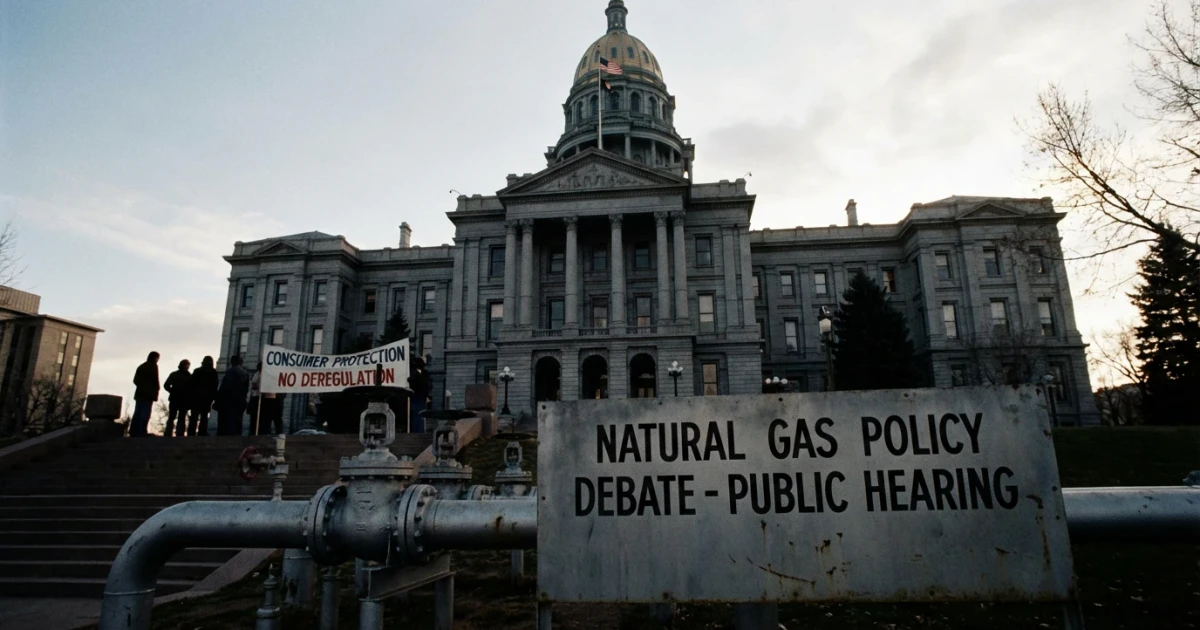
Colorado Governor Richard Lamm emerged as a prominent critic of federal efforts to deregulate natural gas prices in the late 1970s, challenging Congress to halt what he viewed as a risky shift with far-reaching economic implications. As Congress debated and ultimately passed the Natural Gas Policy Act of 1978, Lamm’s opposition highlighted the deep divisions among policymakers over how best to manage the nation’s energy resources.
The Push for Natural Gas Deregulation
By the mid-1970s, the United States faced a complex energy landscape, with natural gas shortages and price disparities between interstate and intrastate markets. In response, Congress moved to enact the Natural Gas Policy Act of 1978, aiming to phase out federal price controls and encourage greater production and supply. Supporters argued that decontrol would resolve supply bottlenecks and promote market efficiency.
Legislative records and regulatory filings, such as those published in the Federal Register, detailed the phased approach to deregulation, with the goal of allowing market forces to set natural gas prices. Historical wellhead price data shows that natural gas prices rose significantly after the act’s passage, reflecting the impact of relaxed controls.
Governor Lamm’s Opposition
Governor Lamm strongly opposed the federal push for decontrol, warning that it would lead to higher energy costs for consumers and disproportionately impact states like Colorado. He argued that removing price caps would expose local industries and households to volatile pricing, threatening economic stability in energy-producing regions and beyond.
- Lamm’s stance resonated with concerns from other state leaders, who feared that market deregulation would favor large producers and urban centers at the expense of rural communities.
- As reported by Colorado Politics, Lamm publicly challenged Congress to reconsider, emphasizing the need for a balanced approach that protected both supply incentives and consumer interests.
National Debate and Outcome
The debate over natural gas policy reflected wider tensions between federal authority and states’ rights. The act’s supporters pointed to the need for a unified national energy strategy, while critics like Lamm called for more regional flexibility and safeguards.
Despite opposition, Congress enacted the Natural Gas Policy Act. Implementation was outlined in the Code of Federal Regulations, and the Department of Energy provided an overview of the policy’s impact. Over the following years, natural gas prices became more responsive to market conditions. According to Energy Information Administration data, the years after decontrol saw price spikes and increased variability, validating some of Lamm’s warnings about consumer risk.
Legacy and Continuing Relevance
Governor Lamm’s challenge to Congress remains a significant moment in the history of American energy policy. His advocacy underscores the importance of weighing local and national interests in regulatory decisions, especially in sectors as vital as energy. The legacy of the 1978 act continues to influence natural gas markets and regulatory debates today, as policymakers seek to balance market efficiency with consumer protection and regional equity.
As the U.S. faces new energy challenges, the story of Lamm’s opposition to decontrol offers lessons for future policy deliberations—emphasizing the need to consider diverse stakeholder perspectives and the long-term impacts of regulatory change.