US News
Gov. Polis Commutes Tina Peters’ Sentence Amid Political Pressure
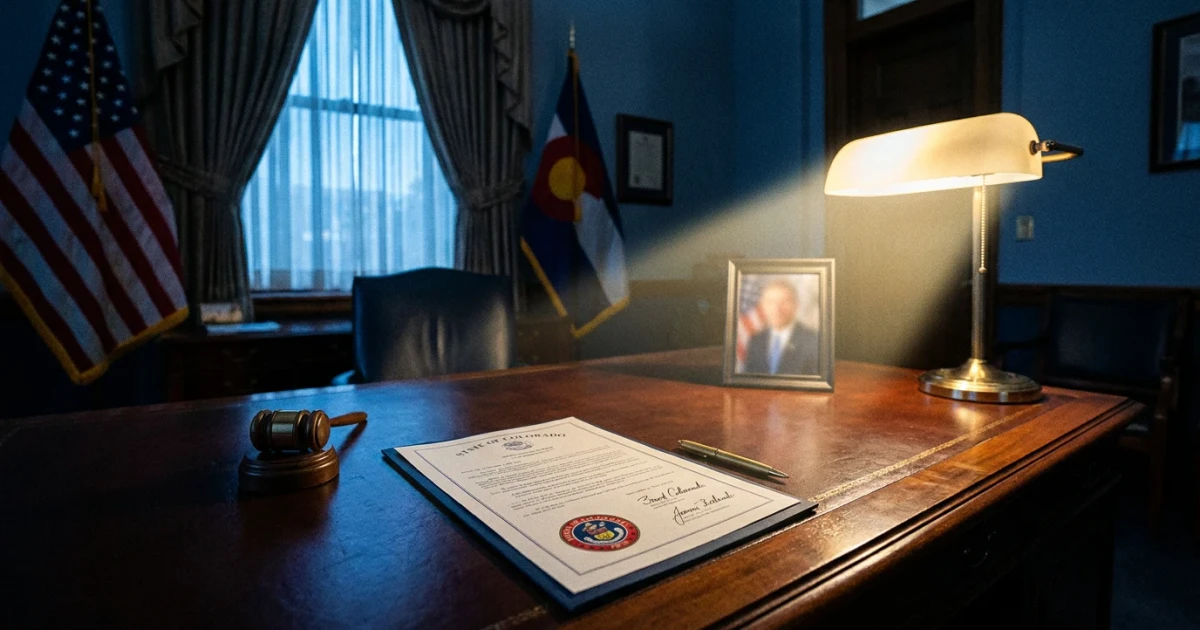
Colorado Governor Jared Polis has commuted the sentence of former Mesa County clerk Tina Peters, who was convicted on charges related to election security breaches and obstruction. The move comes after mounting political pressure from former President Donald Trump and recent comments from Representative Lauren Boebert, highlighting the ongoing national debate over election integrity and the prosecution of election deniers.
Background: Tina Peters’ Legal Troubles
Peters, once the top elections official in Mesa County, was convicted of obstruction and related offenses following accusations she allowed unauthorized access to voting machines after the 2020 election. According to the U.S. Department of Justice, her actions violated Colorado’s election security laws and undermined public confidence in the electoral process. Official Mesa County court records detail the series of events leading to her conviction and sentencing.
Governor’s Decision and Trump’s Involvement
The commutation, announced by Governor Polis’ office on May 15, 2026, came shortly after direct pressure from Donald Trump, who had repeatedly called for leniency for Peters. Trump’s influence in the matter was further underscored by Congressman Lauren Boebert’s suggestion that the former president had withheld federal funds from Colorado in retaliation for Peters’ prosecution, a claim that has sparked additional controversy in state and national politics.
- PBS reported that Trump’s advocacy for Peters was part of a broader pattern of support for election deniers facing legal consequences.
- The Guardian noted that Boebert’s allegations about funding were made amid renewed Republican criticism of state-level election security prosecutions.
Political Implications and Election Security Concerns
The decision to commute Peters’ sentence has drawn sharp reactions from both supporters and critics. Advocates for election security argue that the commutation sets a troubling precedent, potentially undermining accountability for officials who violate state election security laws. On the other hand, Peters’ defenders claim her prosecution was politically motivated and that the commutation restores fairness to her case.
The situation highlights the heightened risk of election denial in Colorado, as analyzed in a recent Brennan Center report, which warns that political pressures and high-profile interventions can erode the independence of election administration.
Official Records and Public Reaction
Public records from the Colorado Department of Corrections show that commutations remain relatively rare, and the governor’s action in this high-profile case has reignited debates over the balance between justice and political influence. Official statistics also show that Colorado continues to have robust voter turnout and election participation, according to the Colorado Secretary of State’s election data—underscoring the stakes in maintaining public trust in the state’s electoral process.
Looking Ahead
As Colorado and the nation prepare for upcoming elections, the commutation of Tina Peters’ sentence will likely remain a flashpoint in debates over election integrity, political influence, and the prosecution of election-related offenses. While the governor’s office has not released detailed reasoning for the decision beyond the official announcement, the case stands as a cautionary tale about the intertwining of politics and the legal system in the current climate.