World
Grace Meng Criticizes Trump Over Iran Action and UN Dues
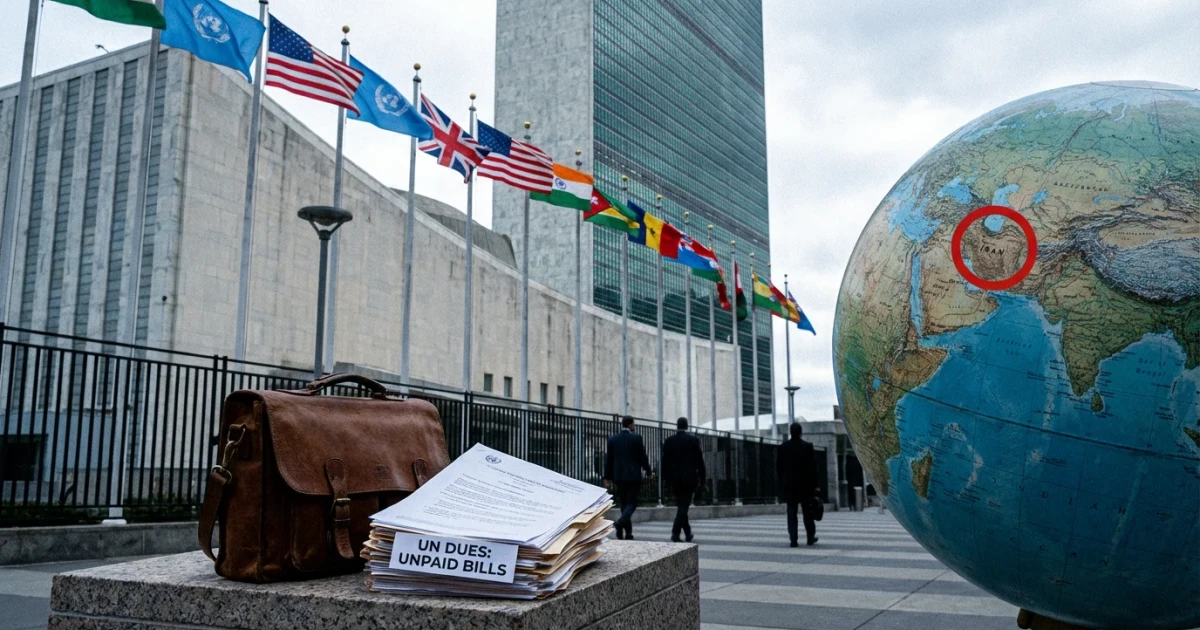
U.S. Representative Grace Meng has sharply criticized former President Donald Trump for what she described as an “illegal” military approach toward Iran and for leaving the United States with a $2.2 billion debt to the United Nations. Meng’s comments, reported by The Economic Times, underscore ongoing debates in Washington about America’s role on the world stage and its financial commitments to international organizations.
Criticism of Trump’s Iran Policy
During a recent statement, Meng denounced the Trump administration’s actions in Iran, characterizing them as not just unilateral but unlawful. This criticism reflects broader concerns among lawmakers about whether the administration’s military operations against Iran complied with the War Powers Resolution, which restricts presidential authority over military engagements without congressional approval. The Trump administration’s targeted strike in Iran had previously ignited heated debate in Congress and among legal scholars regarding the boundaries of executive military power.
Many lawmakers have argued that such actions threaten to erode checks and balances and risk entangling the U.S. in further conflict without broad consensus. Meng’s assertion that it was “not America first, but America alone” echoes the sentiment among critics who believe the Trump approach to Iran isolated the United States diplomatically, straining relationships with allies and international institutions.
Unpaid U.S. Dues to the United Nations
Meng also drew attention to the U.S. owing $2.2 billion in unpaid dues to the United Nations. According to official UN records, the United States is assessed the largest share of contributions to the UN regular budget and peacekeeping operations, reflecting its status as a global leader. Delays or shortfalls in payments can disrupt the organization’s ability to carry out core humanitarian and peacekeeping missions worldwide.
- The U.S. is historically the largest funder of the UN, typically responsible for about 22% of the regular budget and up to 28% of peacekeeping costs.
- As of the latest UN financial reports, U.S. arrears have mounted to $2.2 billion, impacting budget certainty for vital UN programs.
According to analysis by the Congressional Research Service, the accumulation of arrears is often tied to both policy disputes and budgetary decisions in Washington. Budget data from the Congressional Budget Office show fluctuations in U.S. international affairs spending, including periodic delays in meeting assessed contributions to the UN.
Ongoing Debate Over U.S. Global Leadership
Meng’s remarks come at a time when the United States faces growing scrutiny over its international commitments. While some policymakers argue for reducing U.S. financial obligations to global organizations, others contend that such moves weaken American influence and leadership.
In the context of U.S.-Iran relations, the U.S. Department of State outlines a long history of diplomatic and security tensions, with recent years marked by sanctions, diplomatic withdrawals, and military confrontations. Critics of the Trump administration’s approach, like Meng, suggest that bypassing diplomacy and international consensus increases risks and leaves the U.S. isolated.
Financial and Policy Implications
The intersection of unpaid UN dues and contentious military action brings broader questions about U.S. priorities. Data from the Federal Reserve Economic Data (FRED) series shows that while defense and security remain significant portions of the federal budget, international contributions have sometimes lagged, particularly when policy disputes arise.
Looking Ahead
As debates continue in Congress and on the 2026 campaign trail, lawmakers like Meng are pressing for the United States to both uphold international law and meet its financial commitments to maintain credibility and influence in global affairs. The future of U.S. engagement with the United Nations and its approach to hotspots like Iran will remain central issues for policymakers and voters alike.