Politics
Graham and Waltz defend U.S.-Iran talks as tensions rise
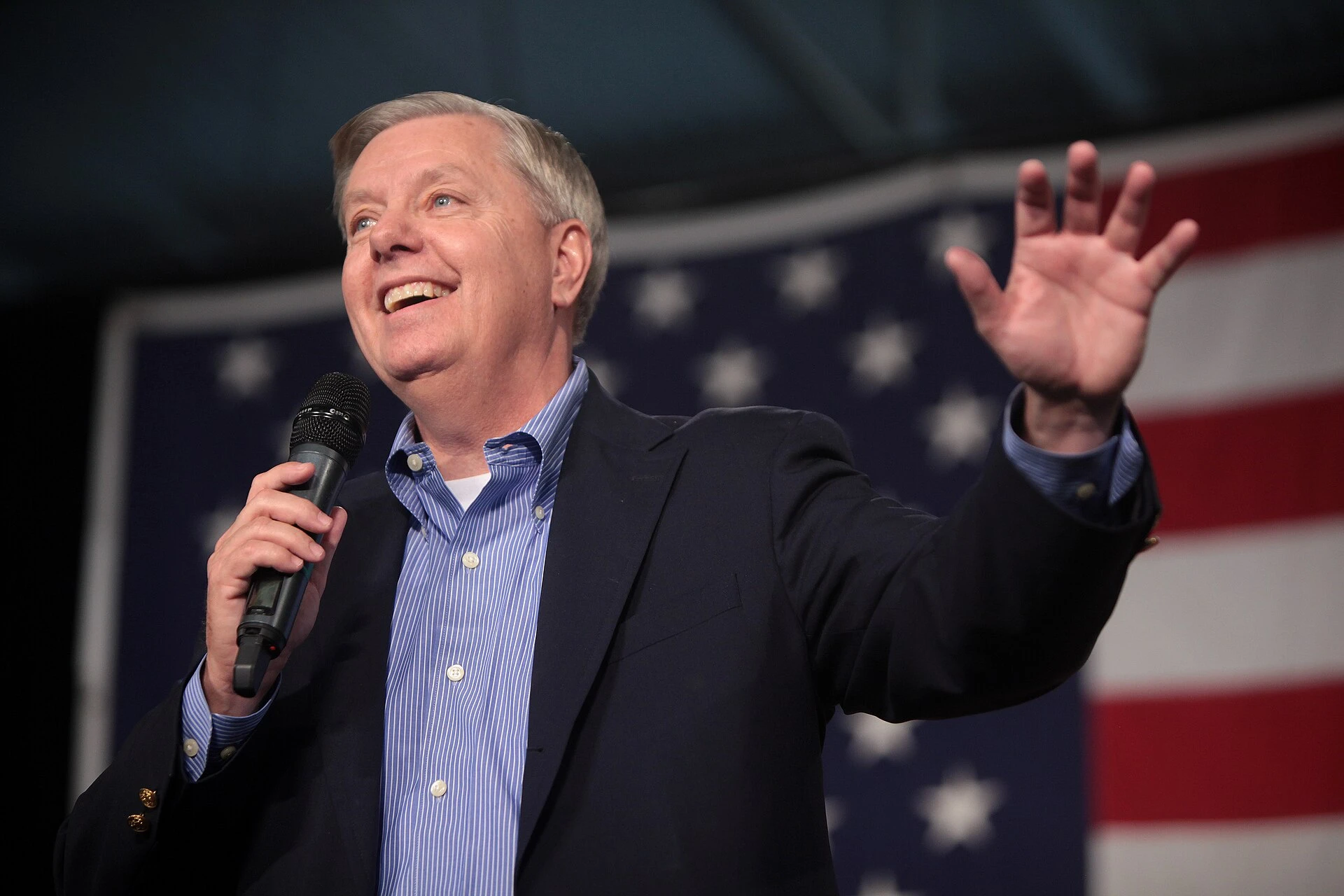
Lindsey Graham used a tense Sunday appearance to recast one of his sharpest objections to the emerging Iran deal, even as the Trump administration faced Republican unease over what the talks might concede on missiles, drones and regional militias. On a broadcast focused on the opening of U.S.-Iran diplomacy, Graham and U.S. Ambassador to the United Nations Mike Waltz tried to defend negotiations that are unfolding under the shadow of fresh threats from President Donald Trump and a narrowing 60-day timetable.
Margaret Brennan pressed Graham on his earlier attack on a proposed $300 billion fund in the memorandum of understanding, which he had dismissed as “tone deaf” and “akin to a Marshall Plan for Germany with the Nazis still in charge.” Graham said he had changed his view because he now believed the money would not come from the West, but from Sunni Arab states such as Saudi Arabia, Qatar and the United Arab Emirates. In his telling, if those countries were willing to invest that much in Iran, it would be proof that Iran had genuinely changed.

The shift matters because it opens a window into how some Republicans are thinking about the deal: less as an outright surrender than as a test of whether Tehran can be economically reabsorbed by wealthy Arab states without reviving its military network. Graham still faced pointed skepticism from Sens. Ted Cruz, John Cornyn, Tom Cotton and Bill Cassidy, who have warned that any released money could be used to rebuild missiles and drones or support Hezbollah and Hamas.

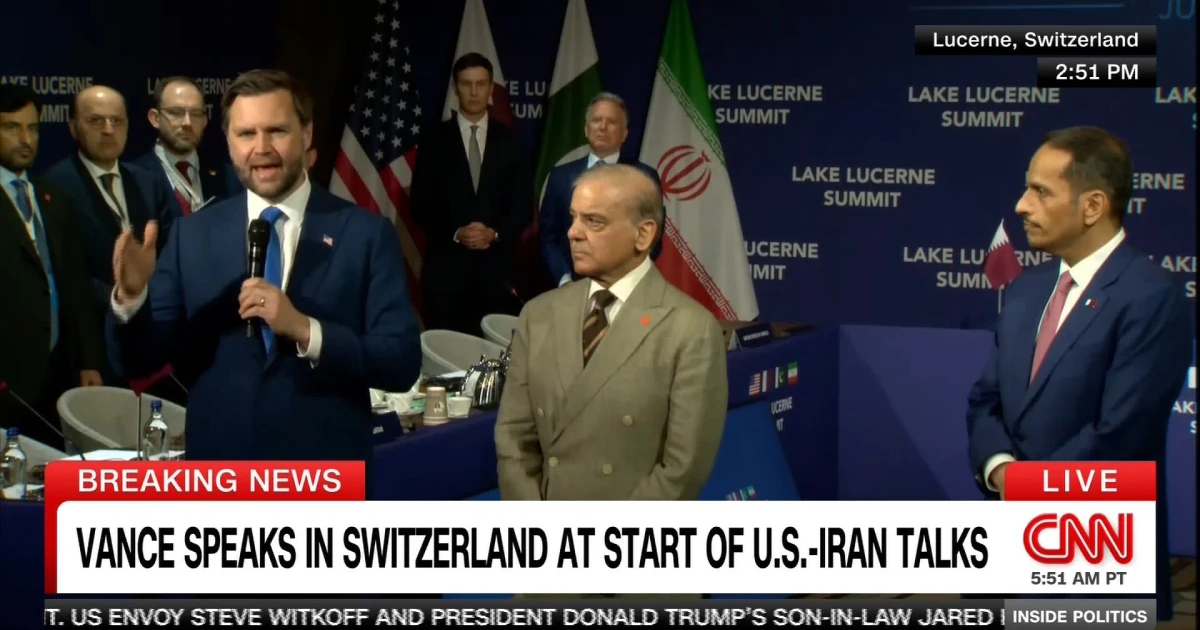
The broader talks, meanwhile, were moving in Switzerland as U.S. and Iranian negotiators worked through the details of an interim agreement. The administration had launched the diplomacy after Vice President JD Vance began the process, and the clock was already ticking on a 60-day window to reach an accord over Iran’s nuclear program. That deadline gives the negotiations a hard political edge in Washington, where every concession on ballistic missiles or regional security is likely to trigger another round of Republican attacks.
The stakes are even higher because the deal is tied to the Strait of Hormuz, a chokepoint that has become central to the war’s aftermath. A tentative agreement announced earlier called for the immediate reopening of the strait, an end to the U.S. naval blockade after 106 days of war, and a ceasefire followed by continued nuclear talks. Graham said he expected diplomacy to fail but still wanted the United States to try. If the effort collapses, he warned, Trump would take the strait “by force” and the United States would “control the strait,” a sign that the administration is keeping military leverage at the center of its diplomacy.
Sources
- [1]news.google.com
- [2]cbsnews.com
- [3]spectrumlocalnews.com
- [4]apnews.com