US News
Graham Platner Confronts New Allegations Amid Senate Bid
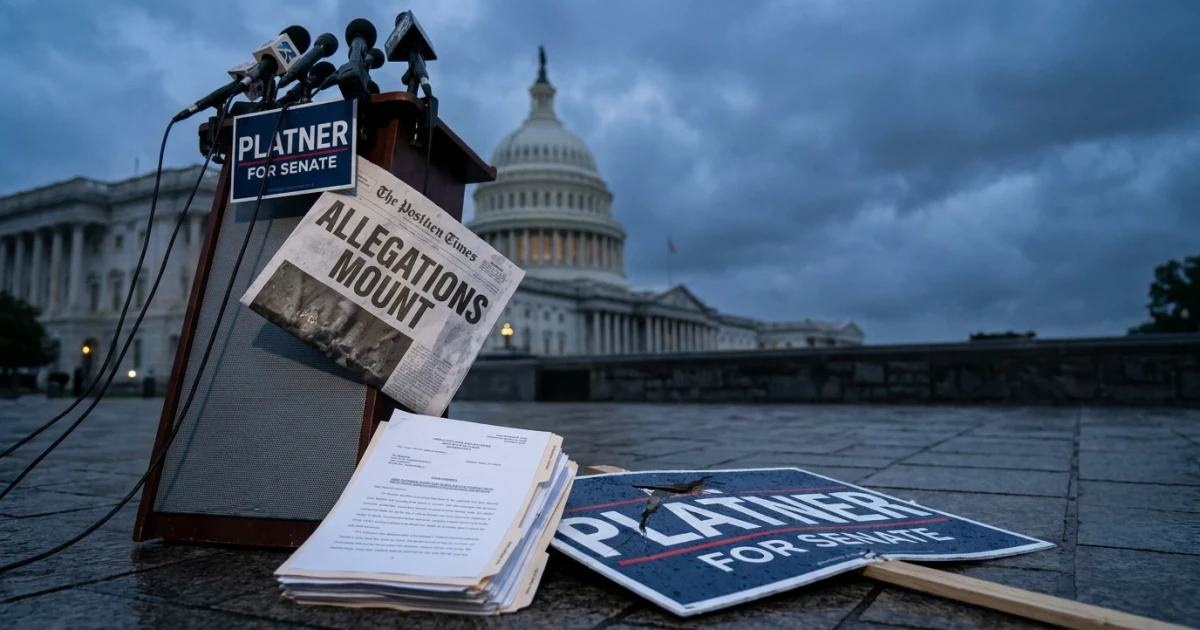
Graham Platner, a current Senate candidate, is under mounting scrutiny after new allegations surfaced this week accusing him of engaging in toxic relationships and displaying disturbing behavior, just days following a widely publicized sexting scandal. Platner has denied the accusations and stated he will remain in the race, as reported by Forbes.
Allegations Emerge Following Sexting Incident
The controversy surrounding Platner escalated when Forbes detailed accusations from multiple individuals who allege that the candidate’s past relationships were characterized by manipulation and emotionally unhealthy dynamics. These claims emerged on the heels of a separate sexting scandal, further intensifying public and media interest in Platner’s personal conduct.
- Forbes reported allegations describing Platner’s relationships as toxic and his behavior as "disturbing."
- Platner has publicly denied harming his ex-girlfriend and rejected calls to withdraw from the Senate race.
- The accusations arrived just days after revelations about a sexting controversy involving Platner, adding pressure to his campaign.
Understanding Toxic Relationships in the Political Arena
Accusations involving toxic relationships can have significant personal and professional ramifications. The American Psychological Association defines toxic relationships as those that are emotionally damaging and characterized by unhealthy patterns of communication, control, or manipulation. According to a peer-reviewed review of toxic relationships and mental health, such dynamics can have lasting psychological effects on those involved and often attract heightened scrutiny when public figures are implicated.
Candidate’s Response and Political Fallout
Platner responded to the new allegations by firmly denying any wrongdoing and emphasizing his intention to continue his campaign. According to Forbes, he stated that he has not hurt his ex-girlfriend and "will not quit" the Senate race. No direct quotes were provided in the initial reporting. Platner’s stance comes as party officials and some advocacy groups weigh in on the appropriateness of his continued candidacy amid the controversies.
Public Perception and the Role of Gender Dynamics
Allegations of sexual impropriety or emotionally harmful conduct often have a measurable impact on public perception of political candidates. Research from Pew has shown that Americans view issues of gender, power dynamics, and accusations of harassment as important factors when evaluating those seeking public office. These dynamics can influence both voter attitudes and media narratives, as seen in previous high-profile cases.
Context: Prevalence and Reporting of Relationship Misconduct
The broader context for such controversies includes persistent challenges in addressing and reporting relationship misconduct. National statistics compiled by RAINN reveal that a significant portion of individuals experience some form of sexual or emotional abuse, though reporting rates remain low due to stigma and fear of retaliation. The Department of Justice’s investigation records further illustrate the complexities involved in legally pursuing such allegations, especially when public figures are involved.
Platner’s Senate Candidacy Moves Forward
Despite the growing controversy, Platner’s name remains on the ballot, with no indication from his campaign or the relevant regulatory bodies that he will withdraw. Official filings and the status of his candidacy can be verified through the Federal Election Commission’s candidate records. As the election approaches, it remains to be seen how these allegations will affect Platner’s political fortunes or shift the broader conversation about candidate conduct and accountability in American politics.
As this story continues to develop, voters and party officials are left to weigh the seriousness of the accusations against Platner’s denials and the evidence presented. The outcome may serve as a bellwether for how similar controversies are handled in future political campaigns.