Politics
Graham predicts Iran diplomacy will fail, warns of force response
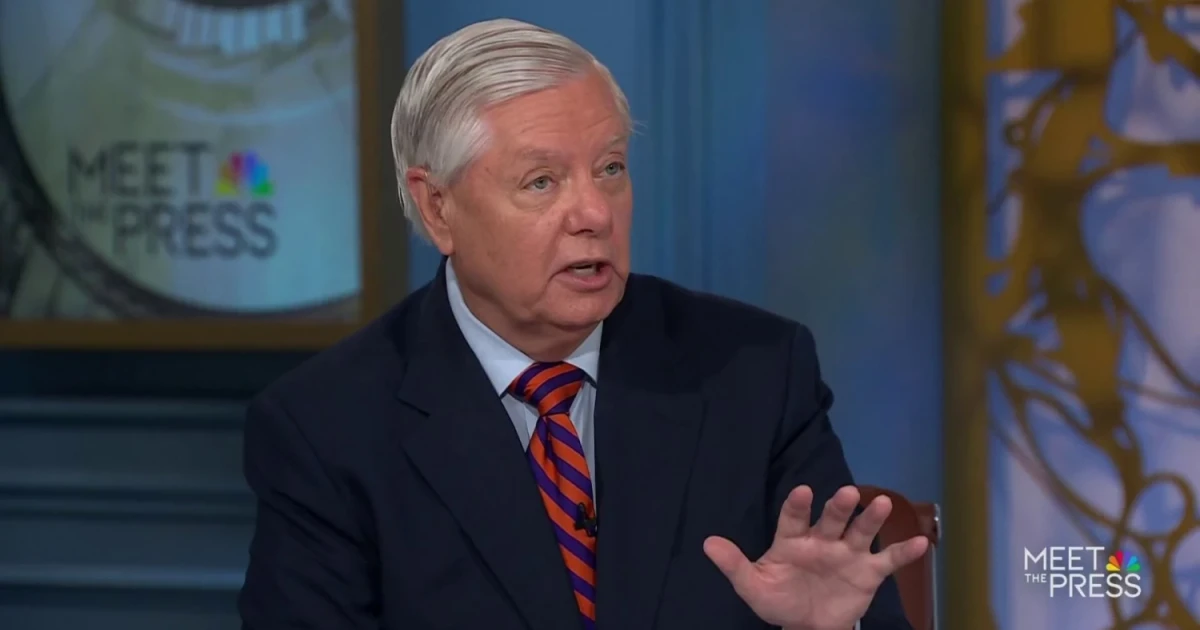
Lindsey Graham put a sharp contradiction at the center of the Iran debate: he said he would “rather try diplomacy than take it off the table,” while also predicting the effort would fail and force would follow. The South Carolina Republican said on CBS News’ Face the Nation that if talks collapsed, Donald Trump would take control of the Strait of Hormuz by force, and that the United States would “obliterate” Iran if it tried to challenge American control of the waterway.
Graham’s comments landed as U.S. and Iranian negotiators met in Switzerland and a 60-day negotiating period unfolded after a memorandum of understanding was signed last week. The stakes widened on Saturday, when Iran said the Strait of Hormuz would be closed again after accusing the United States and Israel of violating the agreement. The deal’s full text has not been made public, leaving lawmakers to argue over a framework they say remains too vague to judge.

The senator said he spent four and a half hours with Trump on Friday and said he wanted to see the Abraham Accords expanded in calendar year 2026. He has already pressed the administration on the contours of the emerging arrangement, especially a reported $300 billion reconstruction fund for Iran that he likened on X to a “Marshall Plan for Germany with the Nazis still in charge.” Graham later said his view changed after he learned Gulf Arab states, not Western countries, might supply the money.
That back-and-forth underscores the narrow political space for a deal in Washington. Graham said Sunday that any nuclear agreement with Iran should go to Congress for review and a vote, and he urged Vice President JD Vance and the rest of the negotiating team to bring the final version to lawmakers. The Iran Nuclear Agreement Review Act of 2015 gives Congress 30 days after a deal is transmitted to vote on a resolution of disapproval, and Graham’s push signaled that Senate Republicans want a formal role before any commitment hardens.
Other lawmakers drew their own lines. Republican Sen. James Lankford said a lasting deal could not simply be an executive agreement, while Democratic Sen. Chris Murphy argued on X that ending the war was preferable even if the terms were humiliating, saying every day the conflict continued made the United States weaker and Iran stronger. Reports of a draft also pointed to unresolved gaps, including whether frozen Iranian assets would be released immediately, while U.S. and Iranian officials gave conflicting accounts of the same proposal. The result is a negotiation clouded by mistrust, and Graham’s warning suggested that the argument over diplomacy may already be giving way to the threat of coercion.
Sources
- [1]cbsnews.com
- [2]rollcall.com
- [3]spectrumlocalnews.com
- [4]thehill.com
- [5]politico.com