Science
Great apes may hug and kiss to ease stress, study finds
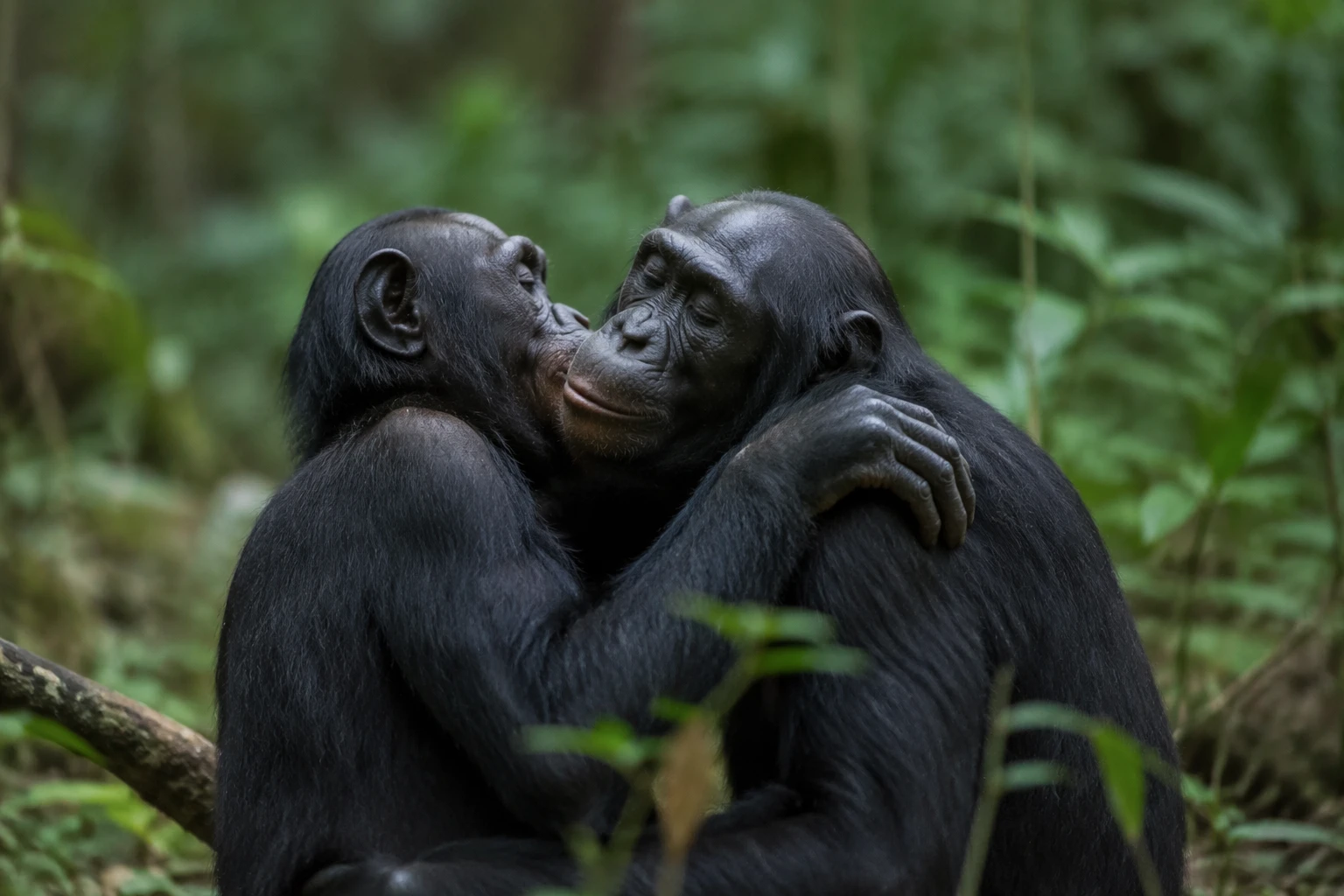
Chimpanzees and bonobos used touching, hugging and kissing before stressful moments, especially disputes over food, in behavior researchers say may function as a quiet form of peacemaking. The Durham University study suggests that affectionate contact can lower tension before conflict and may be an ancient trust-building strategy shared across great apes.
Jake Brooker and Zanna Clay led fieldwork that lasted eight months at Chimfunshi Wildlife Orphanage Trust in Zambia and Lola ya Bonobo Sanctuary in the Democratic Republic of Congo. Working in sanctuary settings gave the researchers a close view of how chimpanzees and bonobos responded to one another when social pressure rose, making it easier to track patterns of reassurance that would be harder to measure in the wild.
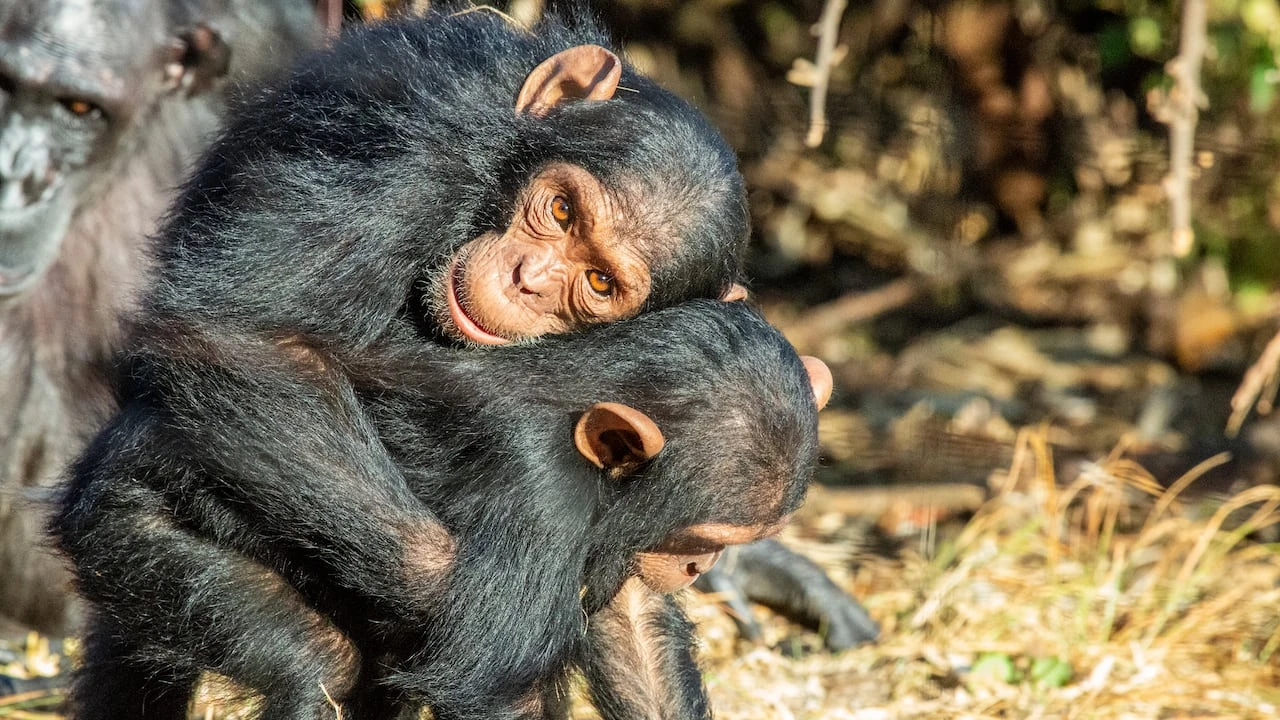
The finding matters because stress has a biological cost. Earlier work on nonhuman primates has found that chimpanzees showed significantly higher relative fecal glucocorticoid levels after stressful events such as intergroup encounters than after resting, a sign that tension leaves a measurable mark on the body. In that context, social touch is not just tender behavior for human observers; it may be one way apes regulate arousal, keep allies close and reduce the chance that a tense moment turns into a fight.
The evolutionary comparison is suggestive, but it is not a one-to-one explanation of human behavior. Humans hug family members, friends and partners during fear, grief and anticipation, and chimpanzees and bonobos share 98.7 percent of human DNA, but the study cannot prove that the same emotions or intentions operate in both species. What it does show is that touch has clear social value in highly connected primate groups, where peace and trust can determine access to food, safety and long-term alliances.

That social complexity fits the lives of chimpanzees, which the World Wide Fund for Nature describes as highly social animals that can live to more than 50 and spend much of their time in the treetops of Central Africa. Seen that way, a hug or kiss before a confrontation is not a cute habit: it is part of the machinery of group survival, one that may have been in place six million years before humans evolved.