Science
Great white shark spotted moving up US and Canada coasts
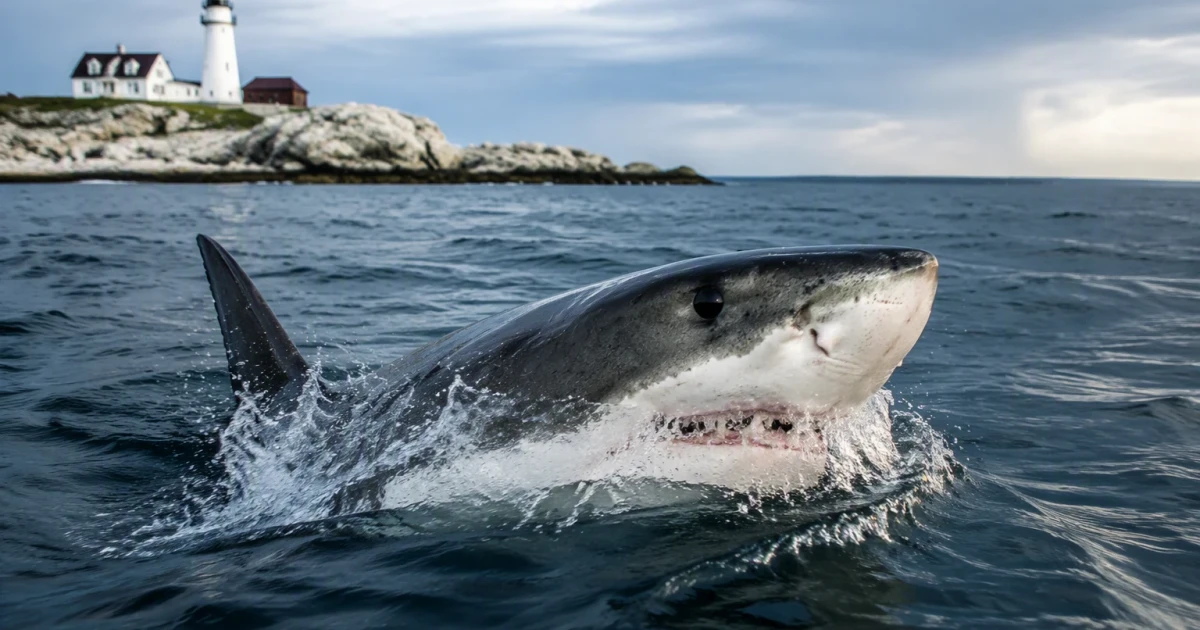
A 12-foot, 1,000-pound female great white shark named Ernst was tracked moving north along the East Coast as shark sightings climbed from New York to Canada. The pattern has drawn attention not because a single animal is unusual, but because it combines three things at once: more sharks in northern waters, better tracking, and more people noticing them.
Researchers have long documented seasonal movement in the Northwest Atlantic. OCEARCH says its tagging data show some of the region’s largest white sharks head north in warmer months and back south as waters cool. A separate report noted that great whites are going to Maine and Canada to eat seals, underscoring that the migration follows food as much as temperature.
That distinction matters for beach communities trying to separate real risk from noise. Rockaway Beach in New York logged 16 shark sightings in July alone, while California has seen more juvenile great whites moving north as warming ocean waters shift their habitat. In the Gulf of St. Lawrence, a 730-pound shark named Bella was recorded near Quebec’s Magdalen Islands, and white sharks there were described as regular seasonal visitors, not anomalies.

The northern movement is also being read through the lens of climate. NOAA Fisheries says climate change can affect sharks by shifting habitat use and prey distribution. NOAA’s April 2025 conservation material says sharks are essential apex predators that regulate prey populations and help keep marine ecosystems balanced. That makes the sightings a wildlife story and a data point on changing ocean conditions, not just a beachside spectacle.
Tracking itself has changed the picture. Fox Weather reported that a young great white pinged off Canada’s coast after traveling about 114 miles, and OCEARCH said Contender, the largest known male great white in the Atlantic, was detected near Canada’s cold northern waters after traveling more than 7,000 miles since being tagged in January 2025. Those pings help researchers map routes toward Cape Cod, Atlantic Canada and other feeding areas that sharks have used for years.

Public-safety experts have stressed that the right response is preparation, not panic. Shark migrations are normal, they said, and beachgoers should pay attention to lifeguard warnings, rip currents and local advisories. The data point to a coastline where large predators, warming seas and denser human use are colliding more visibly, and where the practical answer remains the same: respect the water and stay alert.
Sources
- [1]theguardian.com
- [2]newsweek.com
- [3]foxweather.com
- [4]newsnationnow.com
- [5]cbc.ca
- [6]fisheries.noaa.gov
- [7]sanctuaries.noaa.gov
- [8]ocearch.org