World
Great white sharks vanish from South Africa's False Bay, ecosystems shift
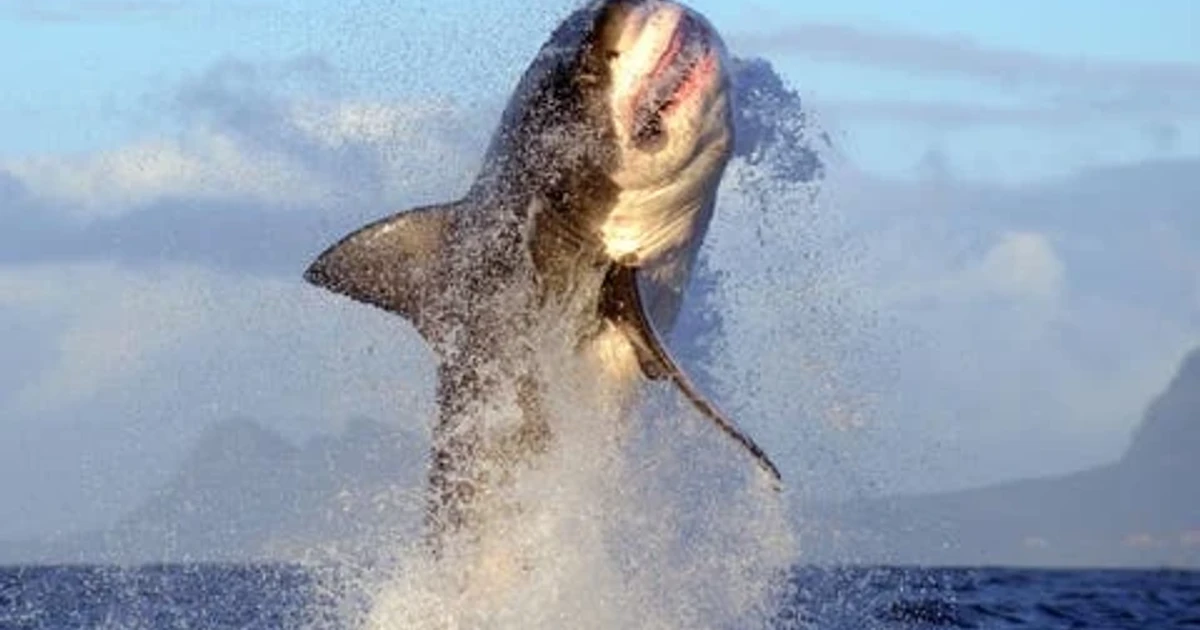
Great whites once made Seal Island in False Bay one of South Africa’s best-known shark-viewing grounds, turning the Western Cape coast near Cape Town and Gansbaai into a magnet for tourism and marine research. Their disappearance has left behind more than an ecological void. It has upended a coastal ecosystem and raised hard questions about what happened to a predator that long anchored both the food web and the local economy.
One leading theory points to orcas, especially the well-known pair Port and Starboard. Researchers documented attacks on white sharks by the killer whales and then found shark carcasses washing ashore with their livers removed, a sign that fitted the pattern of a targeted predator. But the orca explanation has never been the whole story, and scientists have continued to debate whether the loss reflects a broader shift in the ocean rather than a single cause.
Fishing pressure remains a serious suspect. In a 2022 satellite-tagging study of 33 white sharks tagged in South Africa between 2012 and 2014, the animals overlapped with longline and gillnet fisheries across 25 percent of South Africa’s Exclusive Economic Zone and spent 15 percent of their time exposed to those fisheries. The study concluded that a regional management plan is needed because the sharks range widely across the southwest Indian Ocean and encounter both fisheries and shark-control gear, including nets and drumlines.
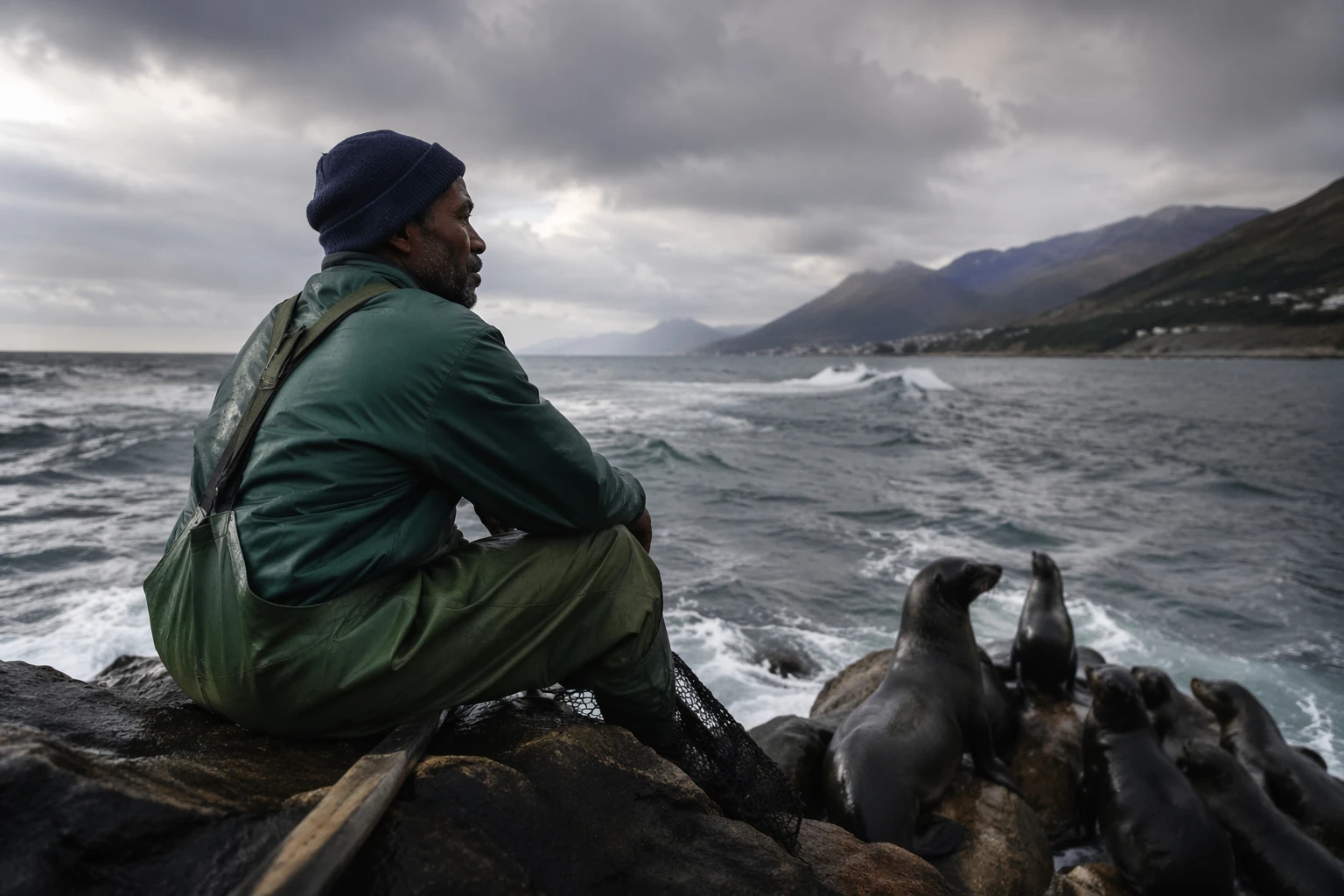
The ecological fallout is now coming into focus. A 2025 study in Frontiers in Marine Science compared Seal Island monitoring from 2000 to 2015, before the white-shark loss, with 2016 to 2020 after it, and found evidence of a trophic cascade. Cape fur seals and sevengill sharks increased in relative abundance, while some smaller prey species declined. That change matters because white sharks are apex predators, and when they leave, the whole balance of predation can shift.
Long-term monitoring at Seal Island underscores how deeply embedded the sharks once were. From 2000 to 2018, researchers recorded 6,333 white-shark sightings and 8,076 seal attacks there. A 2018 Scientific Reports paper found that the disappearance of white sharks from False Bay coincided with the novel emergence of sevengill sharks as a prominent apex mesopredator, a role they had not previously held in the bay.
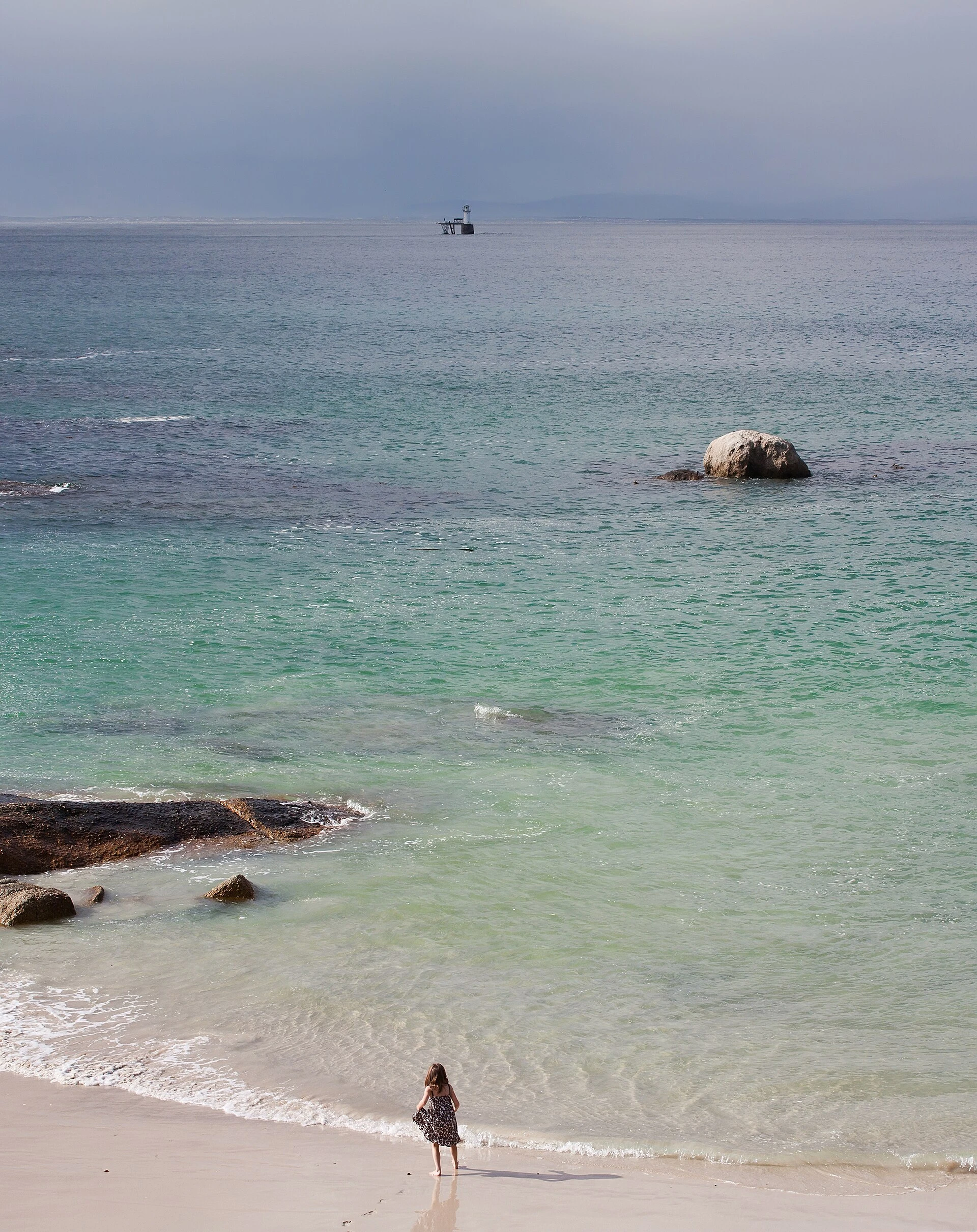
By 2023, the disappearance was still being described as a mystery, with scientists divided over the cause. A 2025 trend assessment in Marine Ecology Progress Series pushed back on claims that South Africa’s white sharks were merely stable or redistributed, saying the available data could not support those conclusions. For False Bay and Gansbaai, the loss is not just a scientific puzzle. It is a warning that the region’s ocean economy and marine food web are both less secure than they once seemed.
Sources
- [1]cbsnews.com
- [2]frontiersin.org
- [3]nature.com
- [4]sciencedirect.com
- [5]sciencealert.com