World
Greater Manchester brings all local buses under public control
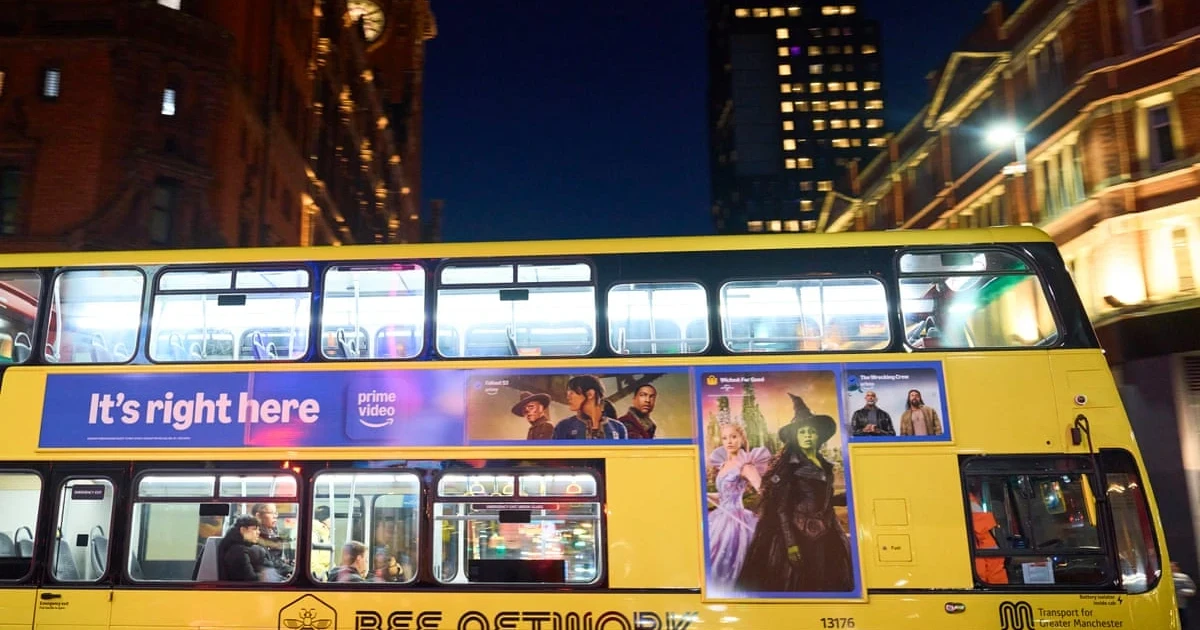
Greater Manchester finished bringing its final local bus services under franchise on 5 January 2025, putting every decision on local Bee Network bus services under local control. The change gave Andy Burnham and the Greater Manchester Combined Authority the ability to set routes, fares and service levels across the city-region, a reversal of the deregulated model that has governed buses outside London for decades.
The rollout began on 24 September 2023, when the first franchised Bee Network buses started running in Bolton, Wigan and parts of Salford and Bury. That first phase covered about 20% of the network. A second tranche followed on 24 March 2024, taking franchised services to about half of Greater Manchester’s bus network before the final stage brought in the remaining local routes. Greater Manchester says it became the first area outside London to bring all local bus services under local control in almost 40 years.
Burnham has paired that structural overhaul with fare restraint. Greater Manchester first proposed a £2 bus cap in March 2022 and introduced it in September 2022, ahead of the national £2 scheme. Officials said the capped-fare policy was followed by a 12% increase in bus patronage, and the cap was extended through 2025 with a mid-year review. The lower fare was presented as both a cost-of-living measure and a way to make the network simpler to use.
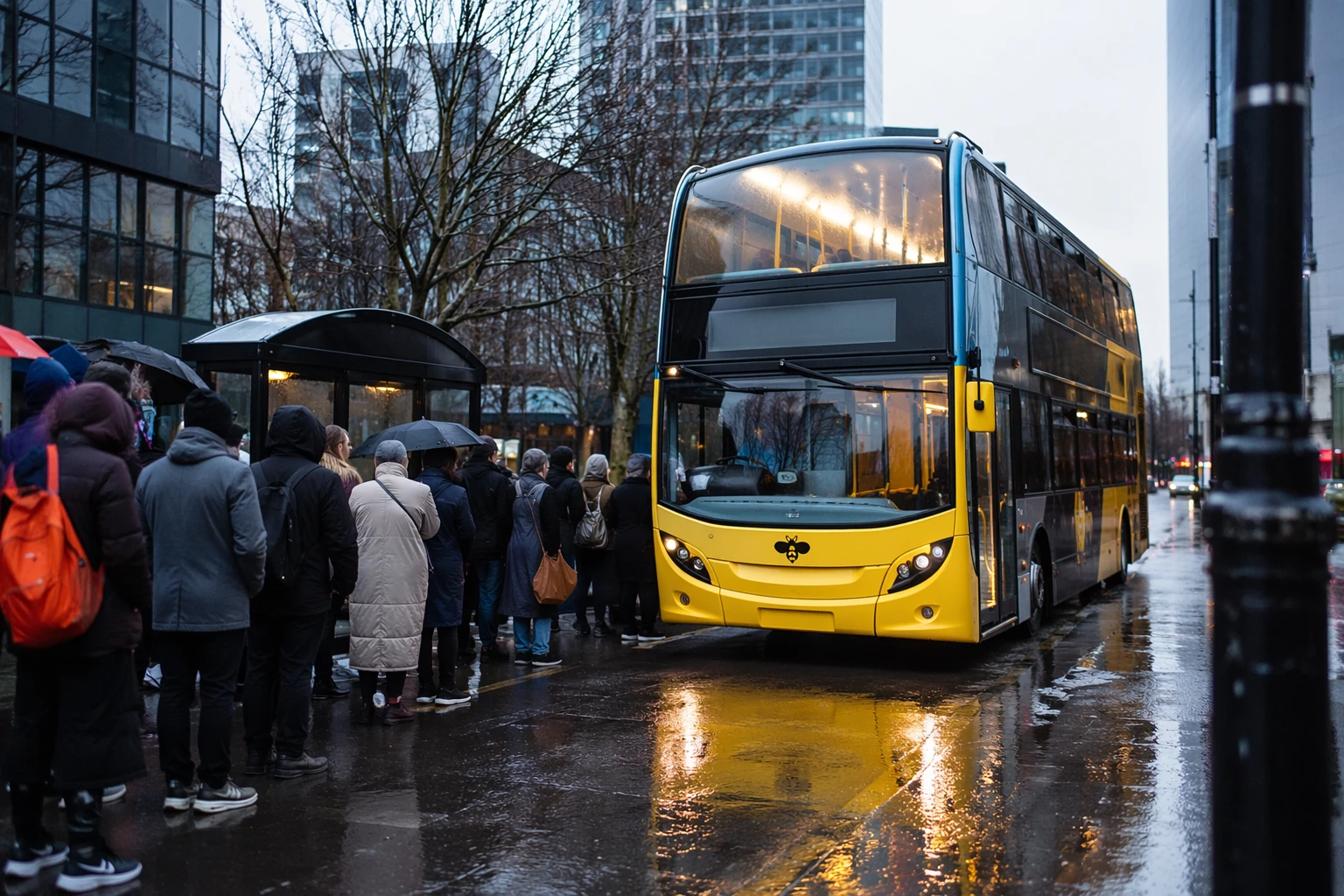
The Bee Network is built as a joined-up system rather than a standalone bus project. Greater Manchester has described it as an integrated, low-cost, high-frequency public transport network linking buses, trams, bikes and, eventually, local trains. Its tram arm, Metrolink, has 99 stops and carried more than 45 million journeys in 2024, giving the city-region a high-volume spine to connect with the new bus network.
The scale of the wider programme underlines why Burnham has treated transport as a test of state capacity. Greater Manchester says it is delivering a broader infrastructure investment programme worth up to about £3.5 billion. In that context, the bus franchising drive is more than an administrative change: it is the practical case Burnham has made that visible improvements on fares, frequency and reliability can turn a local transport overhaul into a wider argument for what public control can deliver.