Business
Greece repays €6.9 billion bailout loans ahead of schedule
Greece has paid back €6.94 billion of its first bailout loans ahead of schedule, a move that trims one of the most symbolically loaded pieces of Europe’s sovereign-debt rescue era. The repayment went to Greece’s euro area creditors and marks another step away from the emergency financing that once defined the country’s place in financial markets.
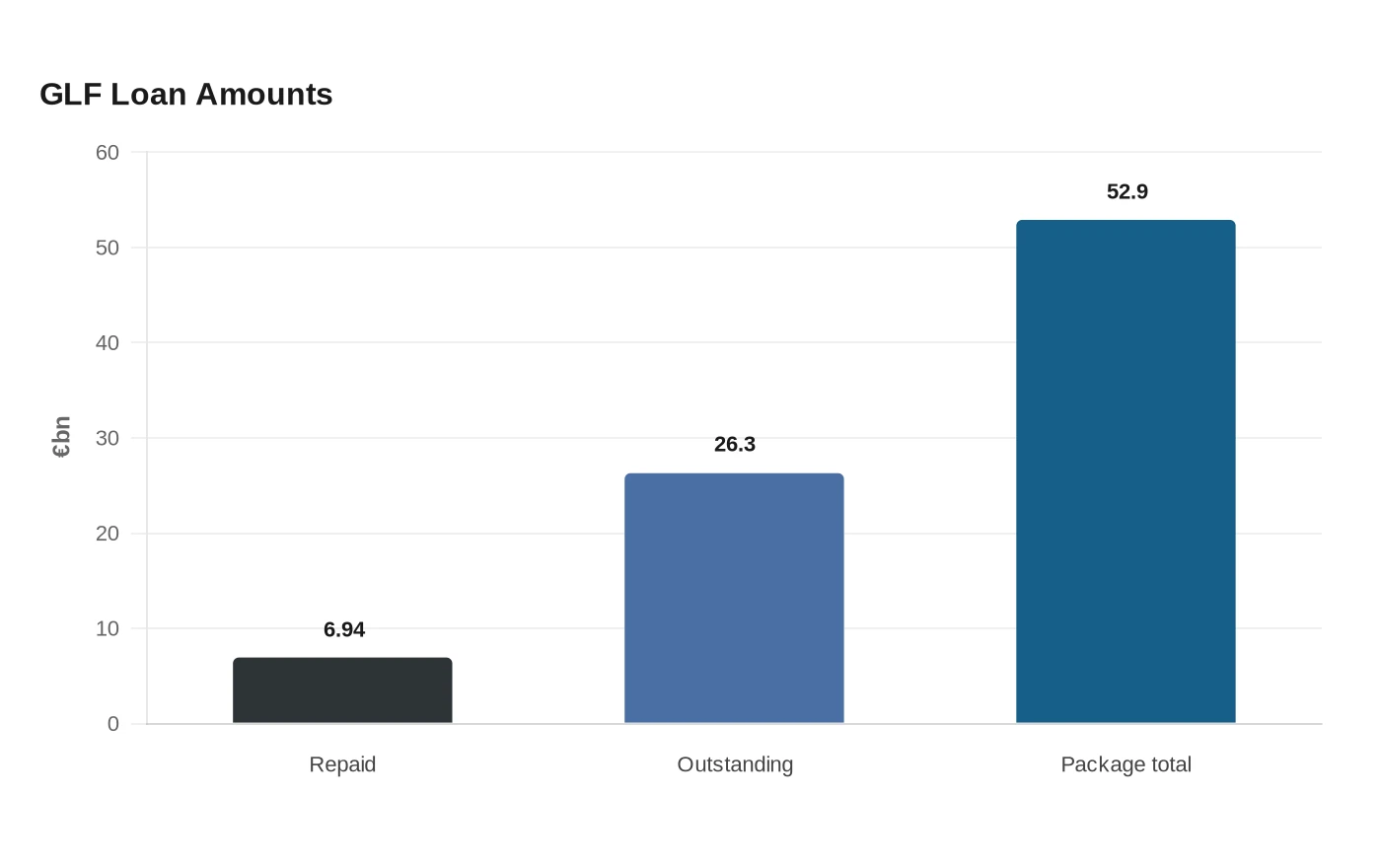
The loans came from the Greek Loan Facility, the first support programme agreed in May 2010, when 14 euro area countries extended bilateral funding through the European Commission. That package totaled €52.9 billion, and after this repayment €26.3 billion remains outstanding, according to the European Stability Mechanism. The early paydown covered obligations originally due in 2029 and between 2033 and 2035, reducing Greece’s exposure to older official-sector debt and improving the profile of its liabilities.

The transaction was made possible by waivers from the European Stability Mechanism and the European Financial Stability Facility, along with the use of Greece’s cash buffer. Those waivers matter because the loan agreements normally require Greece to make proportional early repayment to those official creditors if it pays back GLF debt ahead of schedule. For Athens, that flexibility has become part of a broader debt-management strategy built around stronger cash flow, lower refinancing pressure and a smoother maturity schedule.
This was not Greece’s first step out of the rescue architecture. The country repaid its International Monetary Fund loans two years ahead of schedule in 2022, then made an first early repayment of GLF loans in 2023, another in 2024 and a further repayment in 2025 before this latest move. Pierre Gramegna, the ESM’s managing director, has said earlier repayments strengthen market confidence, reduce interest-rate risk and improve the structure of public debt. The message to investors is clear: Greece is using improved access to markets to retire legacy obligations rather than stretch them to maturity.
The scars of the crisis remain, however. The European Commission says Greece still faces vulnerabilities tied to high public and external debt, non-performing loans and a high current account deficit, even as post-programme surveillance continues after enhanced surveillance ended on 20 August 2022. Finance Minister and Eurogroup president Kyriakos Pierrakakis said in May that the repayment would help push Greece’s debt ratio toward 130% of GDP by 2027. After years of austerity, market exclusion and emergency oversight, the country is trying to turn a bailout cautionary tale into a case study in recovery, while proving that the euro area’s rescue machinery can eventually give way to normal financing.