Lifestyle
Greece Sees Tourism Boom Amid Regional Travel Shifts
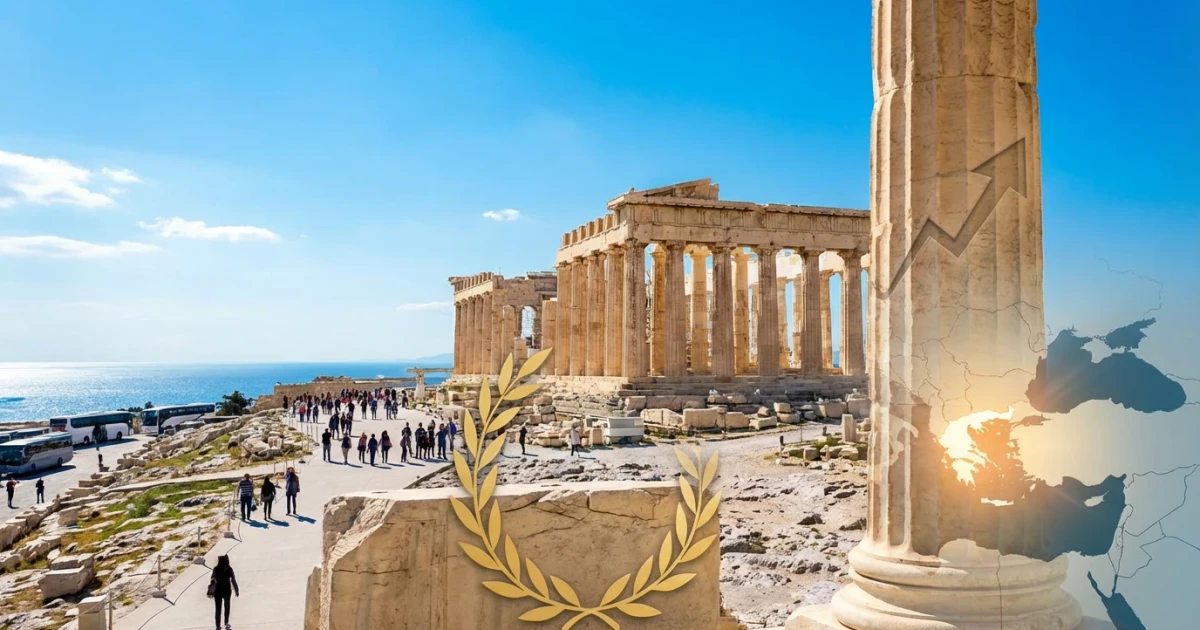
Greece has emerged as the leading tourism destination in 2026, surpassing perennial rivals such as Turkey, Iran, the United Kingdom, Israel, and Cyprus, as shifting regional dynamics and geopolitical tensions reshape travel preferences across Europe and the Middle East.
Tourism Surge Driven by Regional Uncertainty
According to industry reports, Greece’s hospitality sector is experiencing a significant influx of international visitors, a trend attributed to widespread cancellations and rerouted vacation plans amid ongoing instability in the Middle East. Recent travel advisories and security concerns have impacted countries like Turkey, Iran, and Israel, resulting in a decline in their inbound tourism numbers. In contrast, Greece’s reputation for stability and safety has drawn tourists seeking alternative destinations.
- Official Hellenic Statistical Authority data show month-on-month increases in arrivals and overnight stays, with early 2026 figures outpacing previous years.
- Comparative UNWTO Tourism Statistics indicate Greece’s inbound visitor growth has overtaken regional competitors, reinforcing its status as a preferred European holiday spot.
- Turkey and Israel have reported notable drops in tourist arrivals, as reflected in data from the Turkish Hoteliers Federation and Israel Central Bureau of Statistics, respectively.
Why Tourists Are Choosing Greece
Several factors have contributed to Greece’s ascendance in the 2026 tourism landscape:
- Safety and Stability: As geopolitical tensions persist in neighboring regions, Greece’s perceived safety is a major draw for families and solo travelers alike.
- Cultural Appeal: Greece continues to leverage its extensive UNESCO World Heritage portfolio and vibrant local festivals, attracting visitors interested in history and culture.
- Natural Beauty and Accessibility: From the beaches of Crete to the mountains of the mainland, Greece offers a diverse range of experiences, all supported by improving infrastructure and air connectivity.
Impact on Competing Destinations
Countries like Turkey, Iran, Israel, and Cyprus, traditionally strong players in the Mediterranean tourism market, have seen a noticeable decline in international arrivals. In Turkey’s case, security advisories and travel restrictions have led to a reduction in bookings, while Israel’s numbers have been affected by regional unrest and flight disruptions. Cyprus, though less impacted by direct tensions, is experiencing spillover effects as tourists reroute their plans to Greece.
- Data from the Cyprus Statistical Service show a slowdown in growth compared to previous years.
- Despite the UK’s strong tourism industry, VisitBritain reports indicate fewer continental travelers, as Mediterranean beach destinations like Greece capture a larger market share.
Industry Response and Forward Outlook
Greek hospitality businesses are adapting to the increased demand with expanded offerings, improved services, and strategic marketing. The government has invested in infrastructure upgrades and sustainable tourism initiatives to ensure the sector can accommodate growing numbers without sacrificing quality. According to Euromonitor’s analysis of tourism flows, Greece is poised to maintain its competitive advantage if current trends hold.
Industry analysts caution that future shifts in regional stability or global economic conditions could alter travel patterns again. However, for now, Greece stands out as a prime beneficiary of the changing tourism landscape, with official statistics and industry forecasts pointing to continued robust performance through the remainder of 2026.