World
Greece wildfire danger eases, residents begin returning to damaged homes
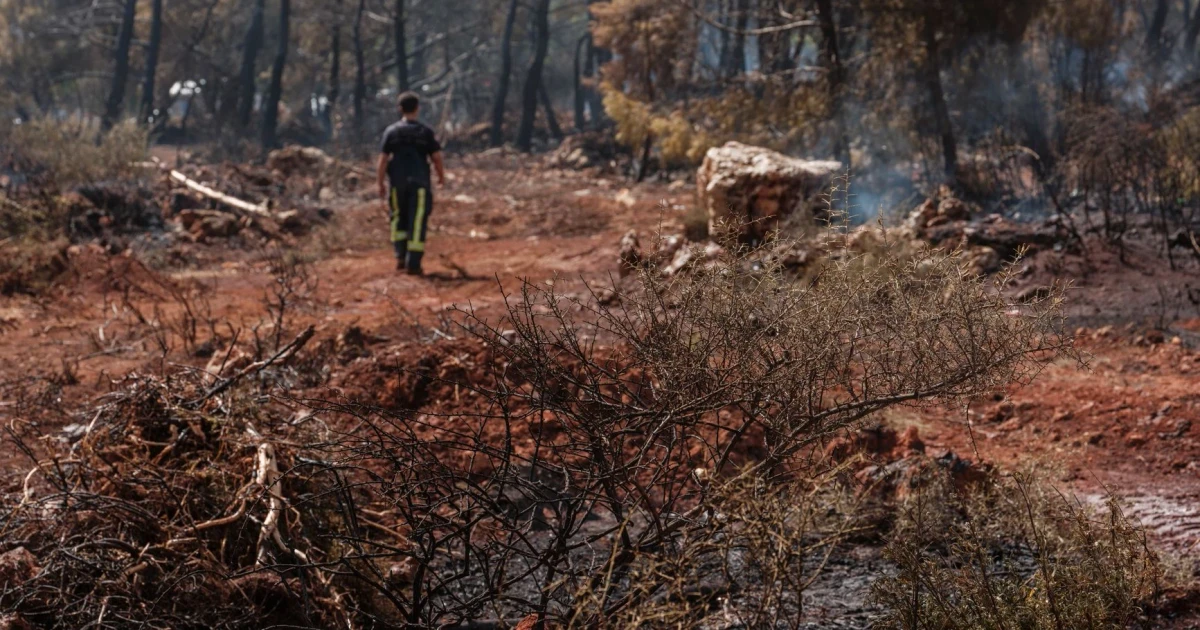
Wildfire conditions eased in Greece on Aug. 4, allowing some residents to begin returning to homes that had been damaged or destroyed. For many, the first look inside was not relief but a reckoning with gutted rooms, scorched yards and the practical question of what could still be salvaged.
The return came after days of punishing fire weather that had driven evacuations and strained firefighting crews. Hundreds of firefighters were still battling a blaze northwest of Athens on Aug. 3, their work stretching into a fourth day as strong winds fanned flames that gutted homes, burned through thousands of hectares of farmland and pine forests, and forced emergency evacuations by land and sea.
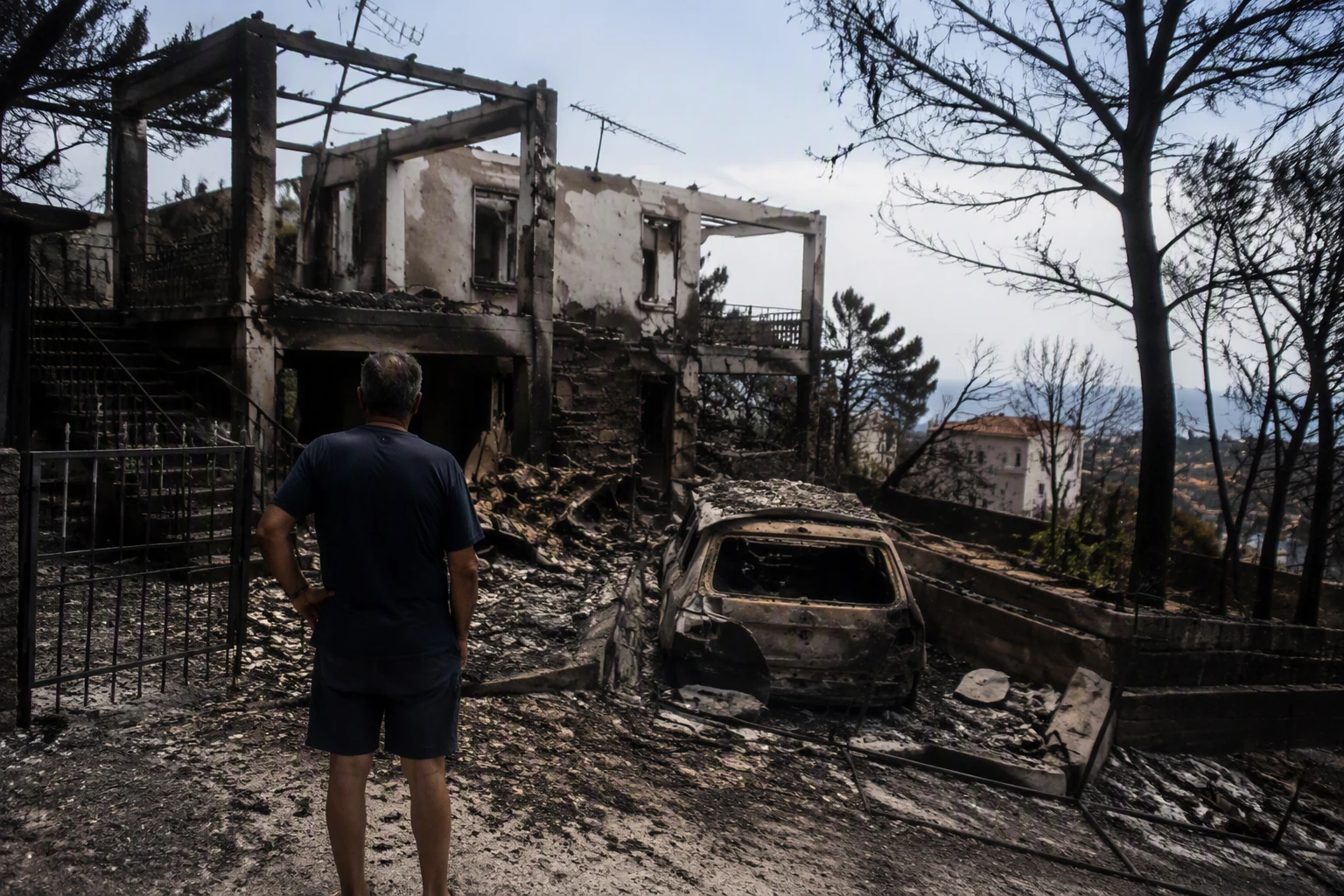
Even with the danger easing, the gap between a fire being brought under control and a community being safe, housed and able to recover remained wide. Residents coming back faced immediate checks on whether buildings were stable, whether water and electricity had been restored and whether belongings had survived. The damage was not limited to individual properties: fields, forestland and access routes also took a hit, leaving local recovery dependent on debris removal, utility repairs and continued monitoring for flare-ups.
The crisis fit a pattern Greece has seen repeatedly in recent summer fire seasons, when hot, dry and windy conditions have turned small ignitions into fast-moving emergencies. The broader Mediterranean region has become more vulnerable as prolonged dryness and extreme heat raise the odds of destructive blazes, pushing wildfire risk beyond a single neighborhood or county and into a national problem for public safety, agriculture and tourism.

That wider pressure was already visible before the latest evacuations. On July 29, the wildfire threat was moving east and threatening Italy and Greece, and a July 15, 2025 explainer on Europe’s fires tied the region’s worsening wildfire risk to climate change. In Greece, the scale of the problem was underscored in 2023, when more than 140,000 hectares burned nationwide and more than 20 fatalities were recorded.
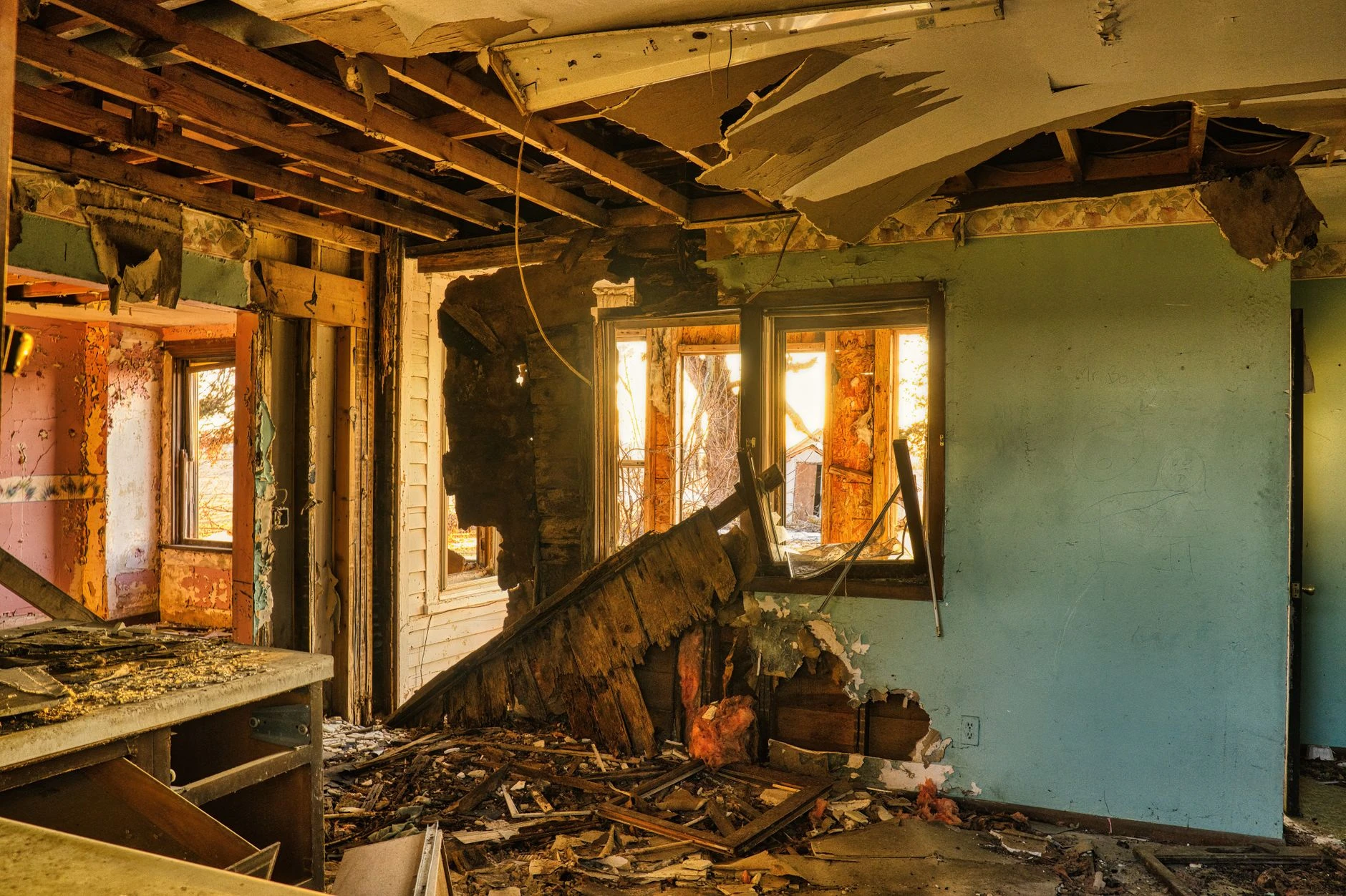
For officials, the immediate task was to keep residents safe while crews worked through the aftermath. For families, the hard part began once the smoke thinned: finding out which homes could be repaired, which possessions were gone for good and how long it would take before damaged streets and neighborhoods were livable again.
Sources
- [1]reuters.com
- [2]iawfonline.org