US News
Greenland Leaders Question Trump’s Hospital Ship Proposal
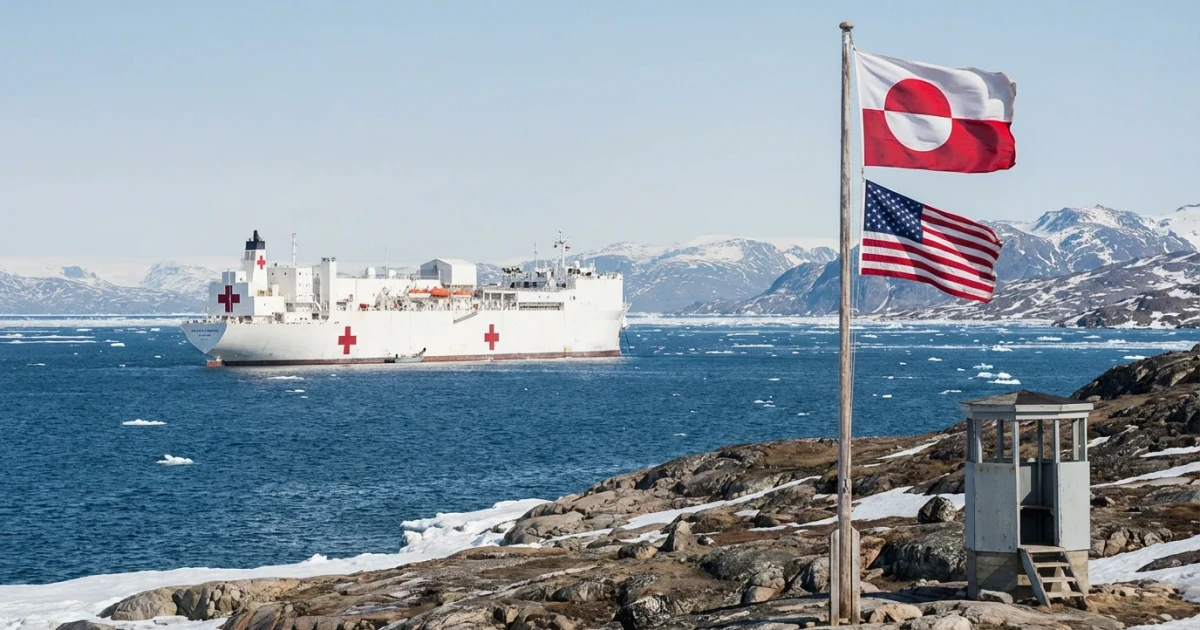
Former U.S. President Donald Trump’s recent suggestion of deploying a U.S. hospital ship to Greenland has sparked confusion among Greenlandic leaders, prompting a rare diplomatic rebuff from the island’s government. The proposal, which surfaced in public remarks this week, has left officials in Nuuk questioning both the intent and necessity of such a move, given Greenland's current health infrastructure and its relationship with the United States.
Trump’s Proposal and Immediate Reactions
Donald Trump raised the idea during a recent public appearance, stating that sending a hospital ship to Greenland would demonstrate goodwill and support for the island’s population. The U.S. Maritime Administration oversees hospital ships such as the USNS Comfort and USNS Mercy, which are typically deployed during humanitarian crises or military operations. However, Trump’s suggestion was met with swift and clear skepticism by Greenland’s leadership.
According to The Washington Post, Greenland’s Prime Minister responded by saying “no thanks” to Trump's offer, echoing similar sentiments reported by Reuters. Greenlandic officials have emphasized that their health system—while facing challenges common to remote and Arctic regions—is not currently in crisis and does not require emergency foreign medical assistance.
Greenland’s Healthcare Landscape
Greenland, an autonomous territory within the Kingdom of Denmark, operates a public health system funded by its government and supported by Denmark. Data from the CIA World Factbook and Statistics Greenland shows a population of roughly 57,000 people, with centralized hospitals in the capital, Nuuk, and regional clinics serving outlying communities. The official structure of Greenland’s health care system is tailored to its unique geography and logistical realities, focusing on primary care and chronic disease management.
- Greenland’s main hospital, Queen Ingrid’s Hospital in Nuuk, offers specialized services and telemedicine support for remote settlements.
- Health initiatives coordinated by the Arctic Council have targeted improvements in public health, infectious disease response, and access to care across the region.
Hospital Ships: Purpose and Precedent
U.S. hospital ships such as the USNS Comfort and USNS Mercy are typically deployed in response to natural disasters, wartime needs, or severe humanitarian crises. For example, these ships have been sent to the Caribbean after hurricanes, to Africa for medical outreach, and domestically during the COVID-19 pandemic. According to the RAND Corporation’s analysis, such missions are most effective when local health systems are overwhelmed or incapacitated—conditions not present in Greenland at this time.
Political and Diplomatic Context
Observers note that Trump’s proposal comes against a backdrop of U.S. interest in the Arctic, where strategic competition and resource access are growing priorities for Washington. In 2019, Trump made headlines by expressing interest in purchasing Greenland, an idea Denmark and Greenland firmly rejected. The current hospital ship suggestion appears to have similarly fallen flat, with Greenlandic leaders reiterating their capacity to manage local health issues and their preference for cooperation within established frameworks such as the Danish realm and the Arctic Council.
Analysis: Unpacking Motives and Regional Impact
Analysts suggest that while hospital ship deployments can offer valuable assistance, their effectiveness depends on genuine need and host nation consent. Greenland’s polite refusal underlines the importance of respecting local sovereignty and understanding the realities of regional healthcare systems. With no ongoing health emergency in Greenland, the proposal is seen by many experts as more symbolic than practical—potentially aimed at signaling U.S. presence in the Arctic rather than addressing a defined medical gap.
As the situation stands, Greenland’s leaders remain focused on strengthening their health system through targeted investments and international partnerships, rather than receiving large-scale foreign aid. The episode highlights the sensitivity surrounding outside offers of assistance, especially in geopolitically significant regions like the Arctic.
Looking Ahead
While Trump’s hospital ship proposal is unlikely to advance, the episode serves as a reminder of the complex interplay between geopolitics, health diplomacy, and national sovereignty. As climate change and strategic interests continue to shape the Arctic, future U.S.-Greenland engagement will likely require a more nuanced approach, grounded in local needs and mutual respect.