US News
Greg Jackson's new book says U.S. turmoil is nothing new

Greg Jackson argues that America’s current political strain has company in the nation’s own past. In Been There, Done That: How Our History Shows What We Can Overcome, the historian says the country has survived earlier waves of insurrection, partisanship, political violence and contempt for constitutional norms, and has repeatedly pushed back against its worst impulses.
Simon & Schuster released the book on June 16, 2026, and says it examines eight historical examples from the founding era through the end of the nineteenth century. Jackson traces the arc from 1789 to the close of the 1800s and revisits the hyperpartisan print wars of the 1790s, the 1856 caning of Senator Charles Sumner, the deeply corrupt presidential election of 1876 and the yellow journalism battle between Joseph Pulitzer and William Randolph Hearst. The through line is not nostalgia but stress test: each episode shows the republic under pressure, then recovering in fits and starts.
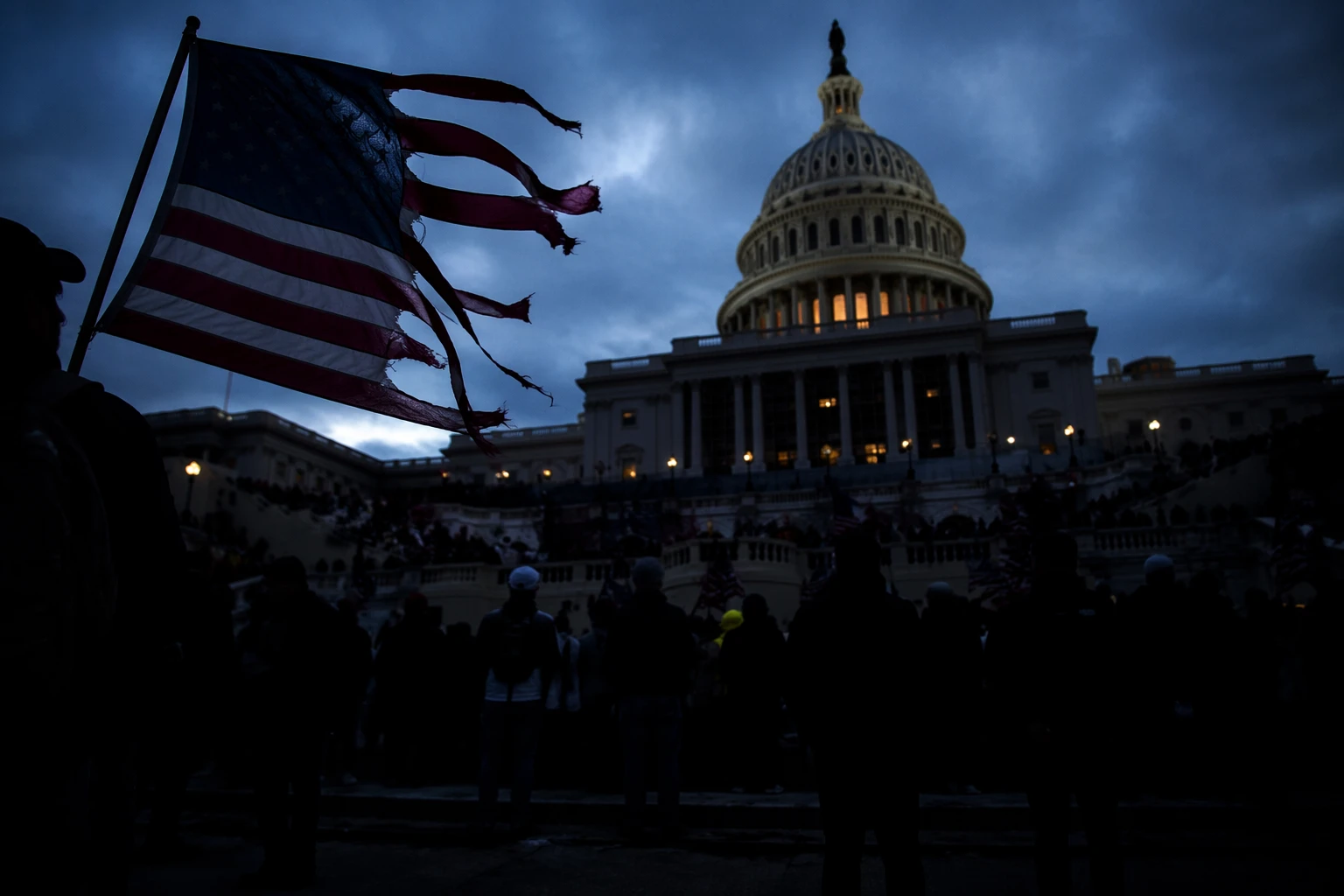
Jackson, the creator, host and head writer of the podcast History That Doesn’t Suck, is also an associate professor at Utah Valley University and the America 250 Professor in the Center for Constitutional Studies. In pre-release discussion, he drew direct lines from those earlier breakdowns to today’s hyper-partisan media, gridlock and political violence, arguing that modern outrage has clear precedents in the newspaper warfare of the 1790s and even the Baltimore riots. His case is that the nation’s present crisis is serious, but not unprecedented.
That argument lands hardest in the late 19th century, when the United States lurched through closely divided politics and repeated changes in leadership. Between 1876 and 1896, the country had only six years of unified government, a reminder that deep polarization, contested elections and unstable majorities are hardly new features of American life. The names attached to that era, from Ulysses S. Grant and Rutherford B. Hayes to James A. Garfield, Chester Arthur, Grover Cleveland, Benjamin Harrison and Samuel Tilden, mark a period when institutions bent under pressure but did not collapse.

Jackson’s book tour included stops in New York City on June 16, Boston on June 17 and Washington, D.C. on June 18, with additional events planned for Nashville, Tennessee, Milliken, Colorado and Fort Ligonier, Pennsylvania. The schedule matches the book’s central claim: American democracy has been battered before, and its endurance has depended on the ability to recognize old patterns before they harden into permanent damage.