World
Guatemala races to preserve 60,000 conflict abuse testimony files
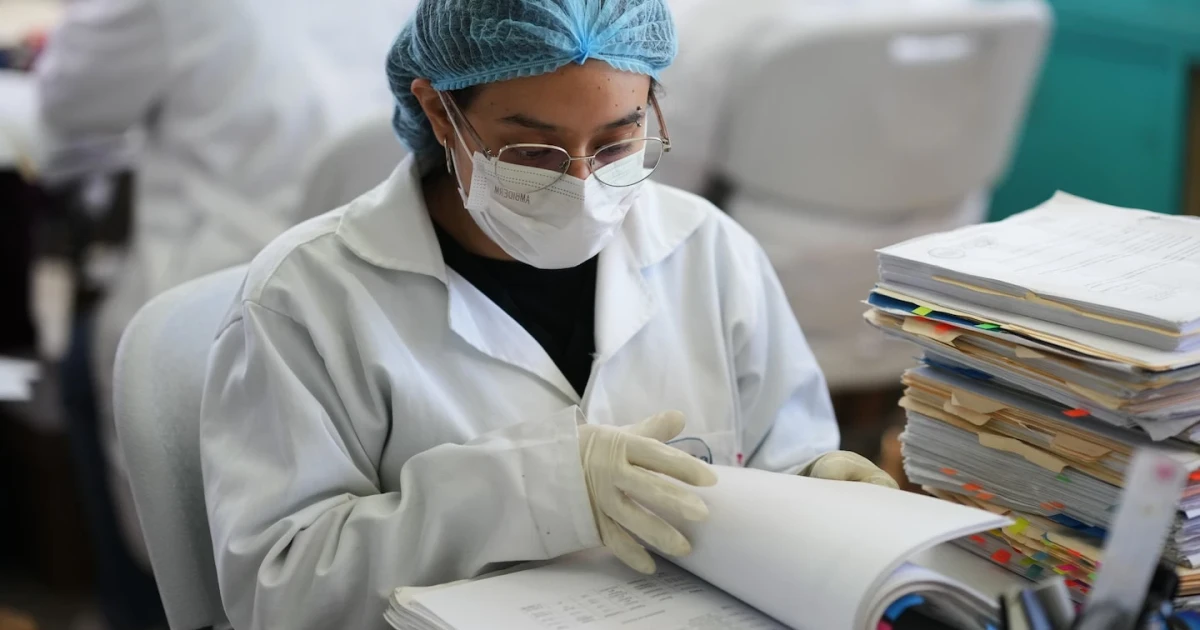
Guatemala is racing to preserve 60,000 case files of testimony about abuses from its civil war before President Bernardo Arévalo’s term ends in January 2028, a deadline that now hangs over one of the country’s most consequential archives. If the files are lost, damaged or politically buried, survivors could lose evidence that has already helped turn testimony into prosecutions, reparations claims and public record.
The archive covers the 36-year internal armed conflict from 1960 to 1996, a period marked by killings, forced disappearances and sexual violence against civilians, especially Indigenous communities. In many places, official records were never created, were destroyed, or stayed inaccessible for years, which makes survivor testimony one of the few ways investigators and historians can reconstruct what happened. In Guatemala, those accounts are not just memory. They can operate as evidence.
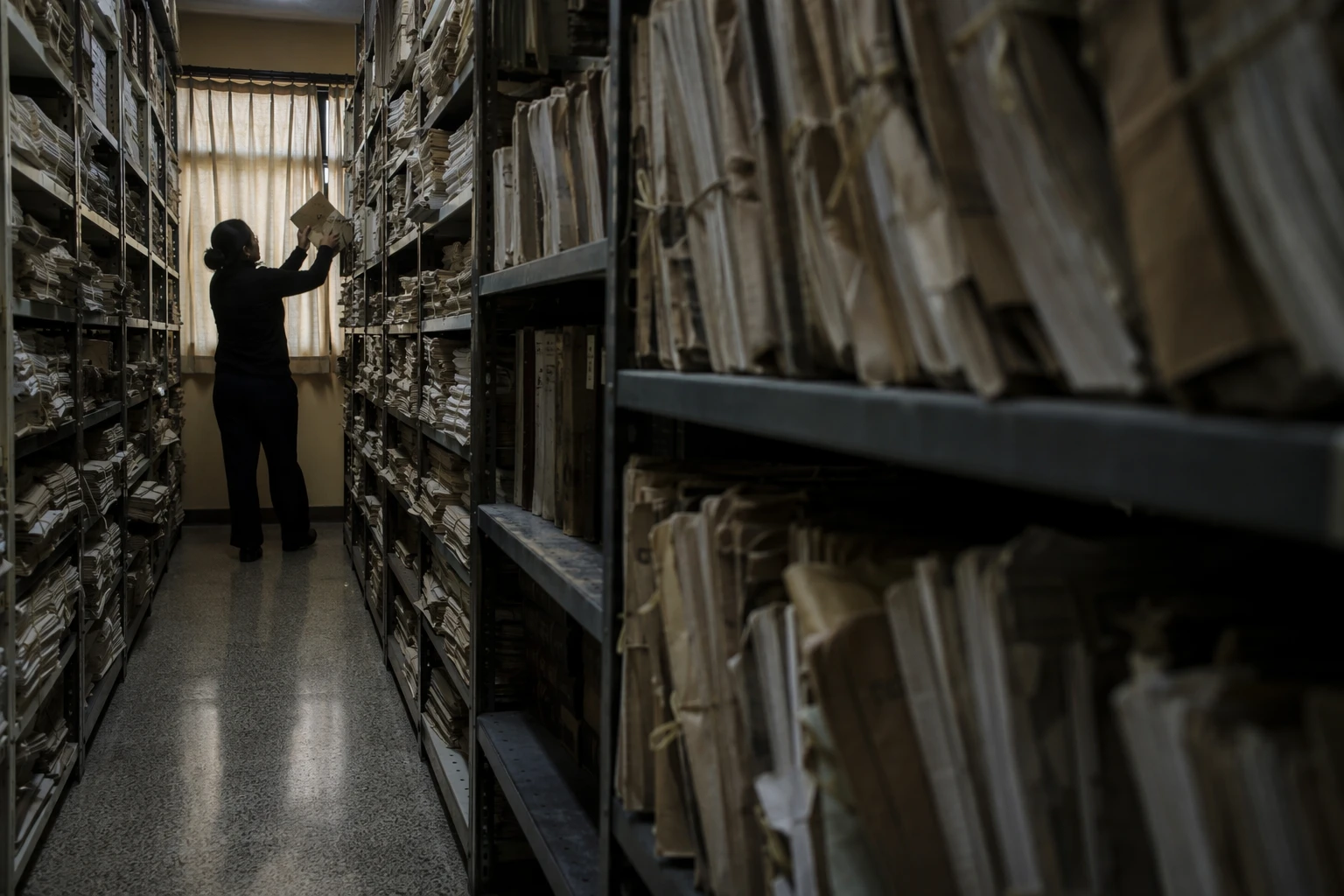
Arévalo took office on Jan. 14, 2024, and has cast his government in reformist terms after inheriting what he called a “semi-destroyed country” in June 2024. The push to safeguard the testimony archive fits that agenda because it treats records as part of state repair, not clerical housekeeping. It also speaks to a deeper political fight in Guatemala over whether the conflict is documented, disputed or simply pushed out of view.
That struggle has a long legal record. In March 2009, archivists had cleaned, scanned and filed about 11 million documents in Guatemala’s police archive. The following year, a judge sent officers Héctor Ramírez and Abraham Gómez to trial based on evidence from an 80 million-page archive. On Nov. 20, 2012, the Inter-American Court of Human Rights issued its judgment in the Diario Militar case, underscoring how archival records had become central to human-rights litigation.

The same pattern has continued into the present. The Guatemalan Historical Archive of the National Police marked its 20th anniversary in 2025, a reminder that preservation has been a long-running battle, not a new administrative project. For survivors, rights groups and families searching for missing relatives, the 60,000 testimony files represent something more fragile than paper: a usable record of state abuse that can still be cited in court, taught in classrooms and carried into the national memory before time erases it.
Sources
- [1]apnews.com
- [2]reuters.com
- [3]corteidh.or.cr
- [4]dpul.princeton.edu
- [5]nsarchive.gwu.edu
- [6]sfi.usc.edu
- [7]hrdag.org