Health
Guernsey plans targeted meningitis B vaccine rollout for young people

Guernsey is preparing a targeted meningitis B vaccine rollout for selected young people, moving in step with the UK response to a fast-moving outbreak that has raised concern in university halls and other close-contact settings. The island government said this is not a mass campaign but a time-limited cohort offer, designed to reach students before they move into higher-risk accommodation in autumn 2026.
Alex Hawkins-Drew, associate director of Guernsey Public Health, said: “Public Health are aware of the programme planned in the UK and are working on the local offer.” The plan is aimed at Year 13 students born between 1 September 2007 and 31 August 2008, along with some under-25s starting higher education or living in halls of residence for the first time this autumn. Postgraduate students are not eligible, even if they are beginning the first year of a course, and anyone who already had two doses in the past five years will not need another.

The urgency comes from outbreaks that changed the public-health calculus. By 1 April 2026, the UK Health Security Agency had been notified of 21 confirmed invasive meningococcal disease cases linked to Canterbury, Kent. All 21 were MenB, 18 were the outbreak strain subtype P1.12-1,16-183, and all were hospitalised. Later reporting said two teenagers died. UKHSA said the Kent outbreak was unusual in both size and speed compared with past outbreaks, and later said three confirmed MenB cases in Weymouth, Dorset were a different strain and were not linked to Kent. Officials have also been watching spread in Berkshire.
Guernsey’s own response began earlier, on 18 March 2026, when States of Guernsey public health said it was aware of the Kent cases and that UKHSA was managing the situation, including a targeted vaccination programme for residents at Canterbury Campus Halls of Residence at the University of Kent. The island is now shaping its local offer around the same risk profile, with timing central to its public-health logic.
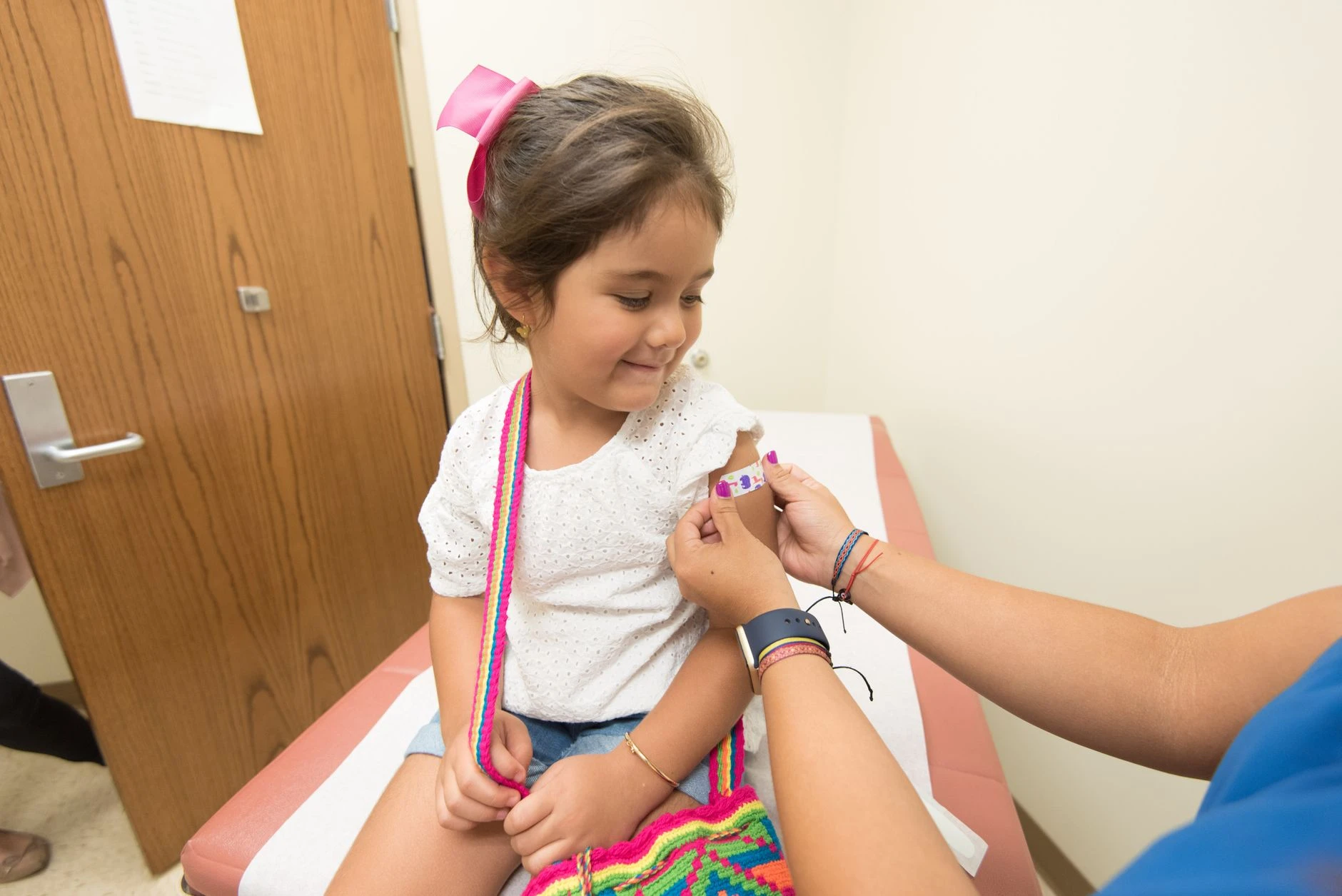
The vaccine being used, Bexsero, has been part of England’s routine childhood schedule since 1 September 2015, so this is an extension aimed at a narrow group rather than a new product. UK guidance says eligible students will receive two doses at least four weeks apart. For students heading into shared accommodation, that window matters: invasive meningococcal disease remains rare, but once it takes hold it can move quickly, and officials are trying to build protection before autumn mixing begins.
Sources
- [1]au.news.yahoo.com
- [2]gov.uk
- [3]ukhsa.blog.gov.uk
- [4]gov.gg