US News
Gulf Nations and Israel Repel Attacks Amid Iran Conflict
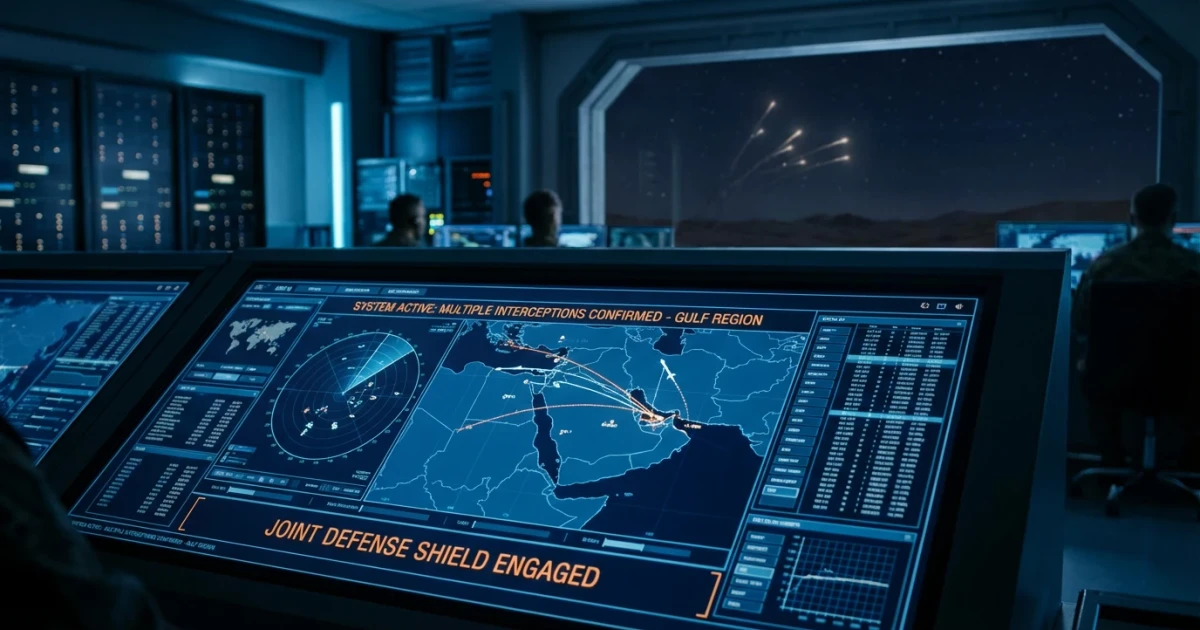
Gulf nations and Israel have repelled a new wave of attacks as the ongoing conflict with Iran intensifies, according to reporting from The New York Times. The situation remains tense across the region, with military actions and international statements shaping the rapidly evolving landscape.
Escalation and Regional Defense
The latest round of hostilities saw coordinated efforts by Gulf nations and Israeli forces to intercept and neutralize incoming threats from Iran and its regional allies. The New York Times notes that several attempted strikes were thwarted, highlighting the preparedness and technological capabilities of the region's missile defense systems.
- Multiple projectiles were intercepted over Israeli territory, preventing civilian casualties and infrastructure damage.
- Gulf states, including Saudi Arabia and the United Arab Emirates, reported successful air defense operations, reinforcing their strategic cooperation with Western partners.
These actions underscore the importance of advanced military hardware supplied through international arms transfers, which have bolstered the defense capabilities of both Gulf nations and Israel.
U.S. Response and Strategic Outlook
Former U.S. President Donald Trump, speaking with Reuters as referenced by The New York Times, asserted that the United States would "leave Iran pretty quickly" but emphasized the ability to return if the situation requires. This statement suggests a flexible approach to military engagement, balancing a desire to avoid prolonged involvement with a readiness to respond rapidly to regional developments.
The U.S. military presence in the area has played a critical role in intelligence-sharing and air defense coordination. Official records of U.S. Department of Defense contracts reveal ongoing support for allied forces in missile defense, electronic warfare, and early warning systems.
Sanctions and Diplomatic Pressures
In parallel with military actions, the international community continues to enforce UN Security Council sanctions against Iran. These measures are designed to constrain Iran's military capabilities and limit resources available for further escalation. However, enforcement and diplomatic efforts remain challenging, particularly as Iran leverages regional alliances and unconventional tactics.
Regional and Global Implications
The ongoing conflict has heightened security concerns across the Middle East. Analysts note that the resilience of Gulf states and Israel's defenses may deter further direct attacks, but the risk of asymmetric responses—including cyberattacks and proxy operations—remains significant. For a deeper understanding of the strategic context, readers can explore the GlobalSecurity.org overview of the Iran conflict.
International observers are closely monitoring the situation. The robust response by Gulf nations and Israel, backed by Western military and intelligence support, has so far prevented large-scale damage. However, the potential for escalation persists, and the broader implications for energy markets and regional stability are under scrutiny.
Looking Ahead
As the conflict continues, the stance of the United States will be a critical factor. The willingness to rapidly redeploy forces if necessary, as indicated by Trump, suggests that U.S. policy will remain fluid in the face of shifting threats. Meanwhile, ongoing diplomatic efforts and sanctions enforcement will test the resolve of the international community to contain the crisis.
For continued updates and in-depth data on military actions and regional dynamics, readers can consult ICEWS event data and official documentation from the involved parties.