World
Gulf shipping slows as Houthi attack claim revives security fears
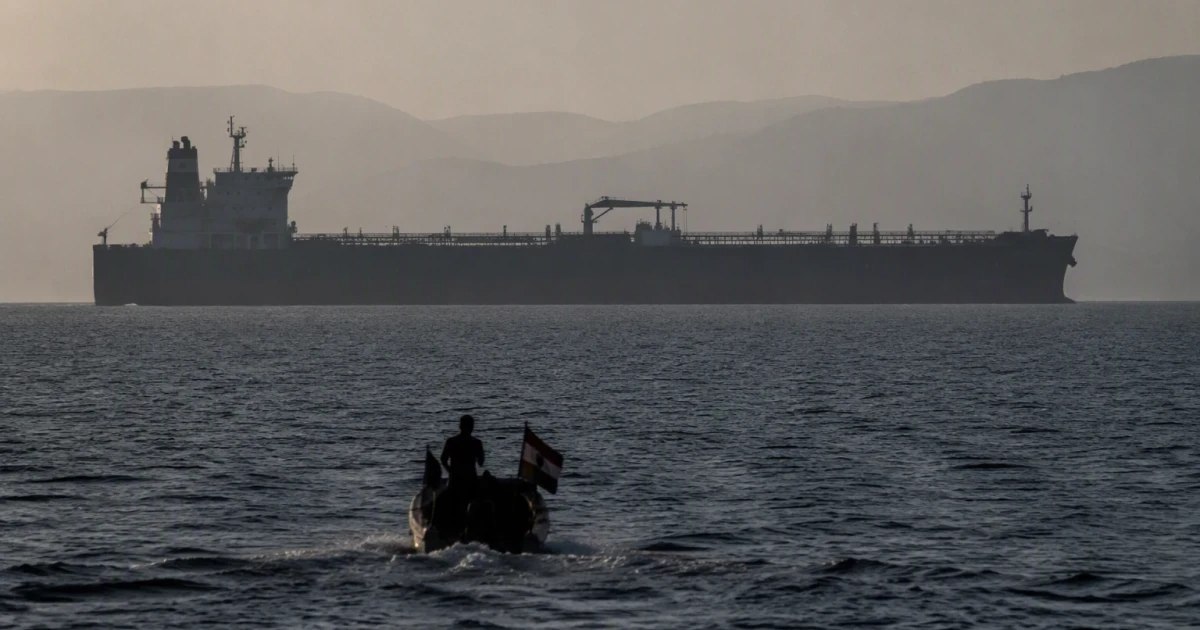
Gulf shipping traffic fell after the Houthis said they attacked a Saudi tanker, adding fresh pressure to one of the world’s most important energy corridors and prompting shipowners, insurers and crews to reassess the risks of moving through the region. The slowdown came even without a confirmed direct hit on broader traffic, showing how quickly threat alone can change routing decisions and commercial calculations.
The latest shift followed a week of visible disruption. Reuters reported on Aug. 3 that six Saudi tankers turned away from the Gulf of Aden, based on ship-tracking data, and on Aug. 2 that two tankers carrying Saudi oil exited the Red Sea over the weekend. On Aug. 5, Yemen’s Houthi movement said it attacked Saudi oil tankers in the Red Sea, extending pressure on vessels already moving through the Strait of Hormuz, the Bab el-Mandeb Strait and the wider Red Sea-Gulf network.
That pressure has already shown up in prices. Reuters reported on July 23 that war-risk insurance costs surged for southern Red Sea voyages after Houthi attacks, a sign that underwriters were pricing in the possibility of more strikes and longer disruptions. By Aug. 4, shipping traffic at key Gulf waterways was still little changed amid uncertainty over peace talks, but by Aug. 6 the traffic had fallen after the Houthi attack claim, underscoring how fast sentiment can turn when traders and operators believe the corridor is less safe.

The Gulf’s role in global energy trade gives even a modest disruption outsized weight. Vessels that reroute or wait raise freight costs, slow deliveries and add uncertainty to oil markets that remain sensitive to any threat near major chokepoints. Kpler shipping data in the same news cycle showed ships changing course in response to Houthi threats, reinforcing the view that maritime commerce in the region can be altered by the risk of attack before any wider conflict spills further into shipping lanes.
For Gulf states and energy buyers far beyond the region, the episode is another reminder that maritime security is not a side issue. It is a daily input into insurance, fuel costs and delivery schedules, and one claimed attack can ripple through the system quickly enough to unsettle traders long before any blockade or larger confrontation takes hold.
Sources
- [1]reuters.com
- [2]tbsnews.net
- [3]insights.windward.ai
- [4]unctad.org