World
Gulf states brace for U.S.-Iran deal that could reshape security and oil flow
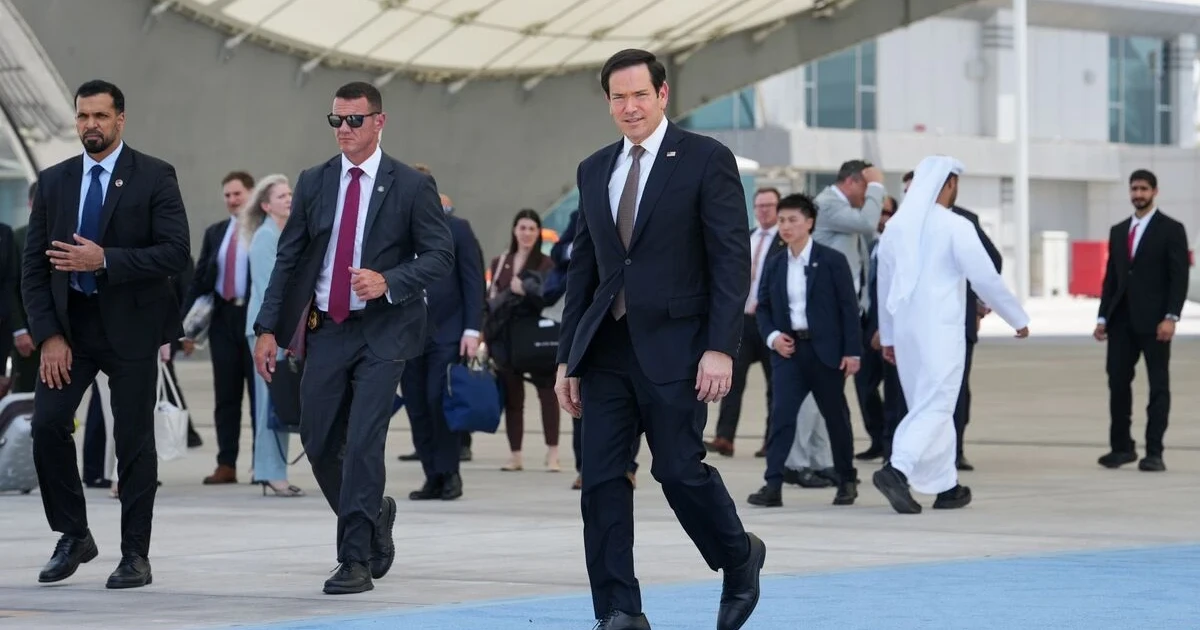
Marco Rubio spent June 22 to 25 in the United Arab Emirates, Kuwait and Bahrain pressing Washington’s preliminary Iran accord on Gulf allies who now see the region through a far more cautious lens. The visit came as Gulf Arab governments shifted from wartime alarm to a postwar reset built on defense diversification, rerouted trade and economic self-protection, with oil flows and shipping lanes at the center of the calculation.
The stakes are high because the proposed deal reportedly leaves no limits on Iran’s ballistic missiles and includes a $300 billion reconstruction fund. Gulf officials fear those terms could strengthen Tehran, alter the security balance and deepen uncertainty over the Strait of Hormuz, the narrow waterway that carries a large share of the world’s crude exports. All six Gulf Cooperation Council states, Saudi Arabia, the United Arab Emirates, Qatar, Kuwait, Bahrain and Oman, host or closely support U.S. military architecture, and that dependence now looks less like an anchor than a vulnerability.
The war sharpened that anxiety. CSIS said Gulf states are likely to meet the deal with a mix of relief and trepidation, and that every GCC country had some part of its energy infrastructure hit by Iranian strikes. In Qatar, strikes on Ras Laffan destroyed nearly 20 percent of LNG production, and the country declared force majeure on contracts for the first time. That kind of disruption hit at the region’s economic core, where even brief shocks can ripple through fuel supplies, export schedules and confidence in long-term investment plans.
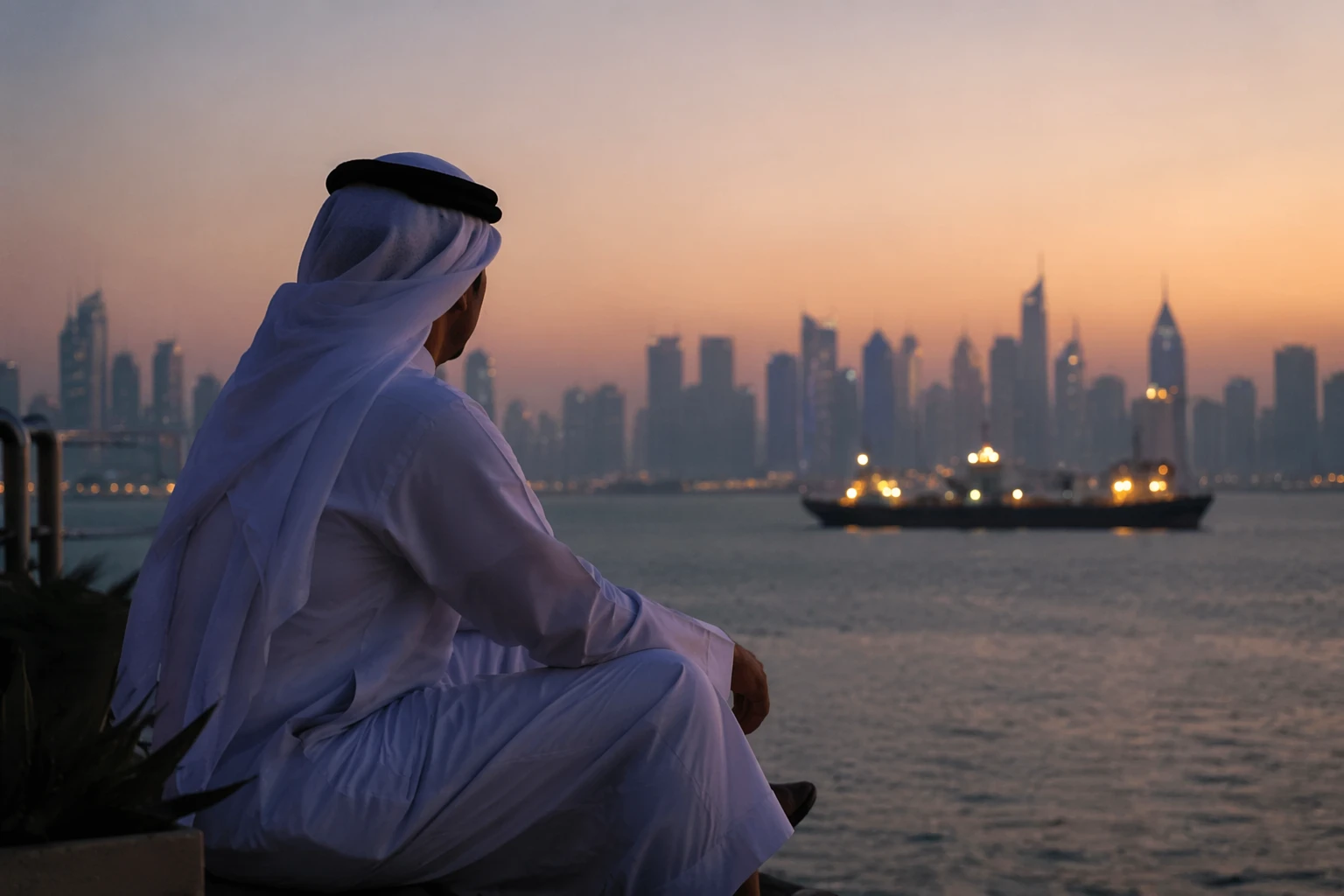
The first days of the conflict exposed how quickly the Gulf’s assumptions broke down. The Atlantic Council said Iran targeted all GCC states within the first 48 hours, hitting civilian sites such as airports and hotels as well as oil and gas infrastructure. It said the United Arab Emirates took the brunt of the early attacks, and that drones over major airports and tourist hubs could leave lasting damage to the Gulf’s image as a business center. The same analysis said Saudi Arabia and the UAE considered the attacks to have crossed a red line.
Publicly, Gulf governments welcomed the ceasefire framework. On June 15, Saudi Arabia, the UAE, Kuwait and Qatar backed the U.S.-Iran agreement to end the war and reopen the Strait of Hormuz. The UAE called for guarantees of freedom of navigation, Kuwait praised the mediation efforts of Pakistan and Qatar, and Qatar said diplomacy was the best means of resolving disputes. Privately, some Gulf officials worried the deal could open the door to U.S. normalization with Iran before Tehran’s regional reach and missile arsenal are constrained.
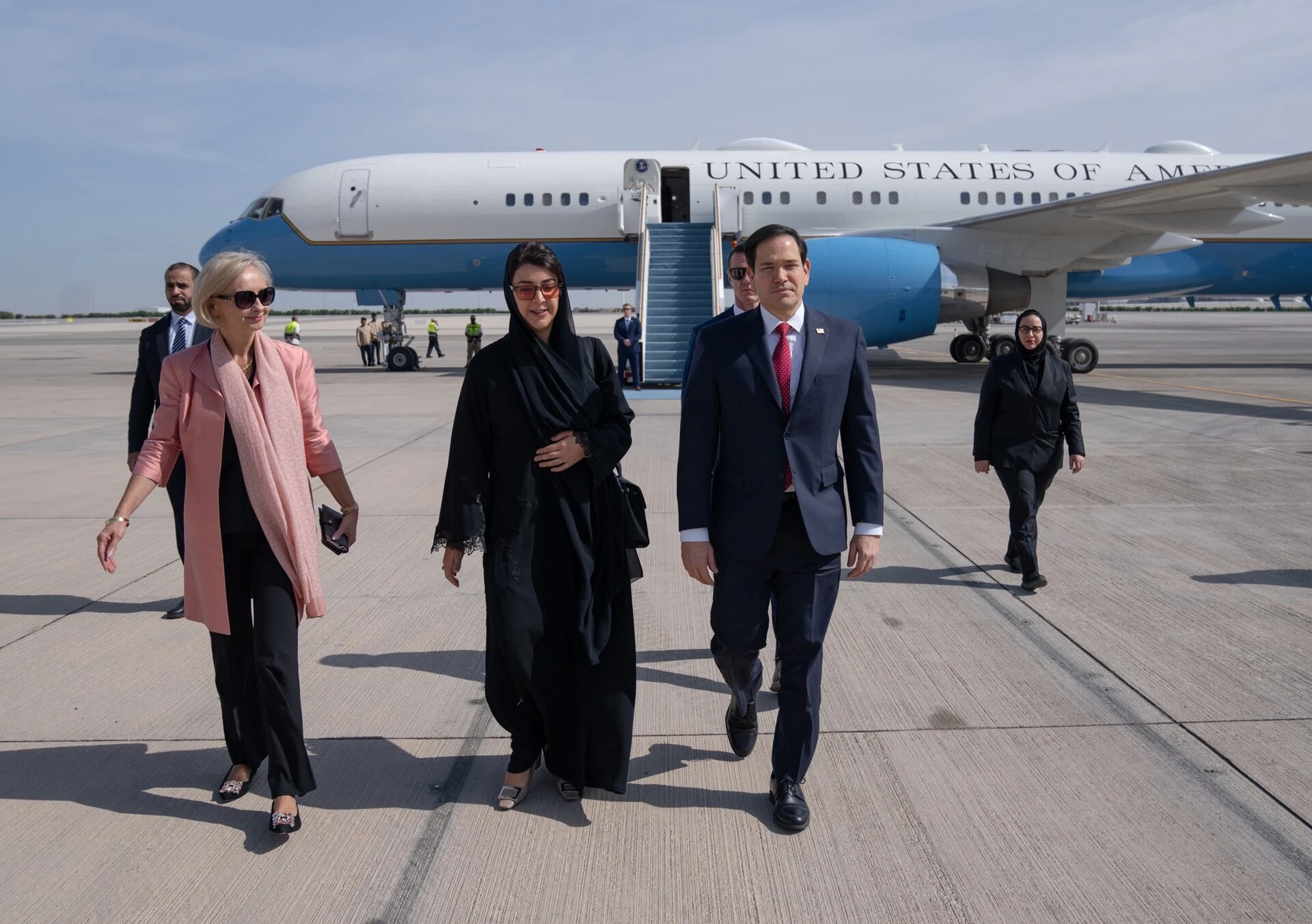
That split between public relief and private unease now defines the Gulf response. Rubio’s trip showed how far Washington still depends on Gulf buy-in, but the war made clear that those states are no longer willing to trust a security umbrella that cannot protect their ports, refineries, airports and trade routes on its own.
Sources
- [1]nytimes.com
- [2]usnews.com
- [3]csis.org
- [4]atlanticcouncil.org
- [5]arabnews.com