World
Gunmen kill three in attack on school in Nigeria's Kogi state
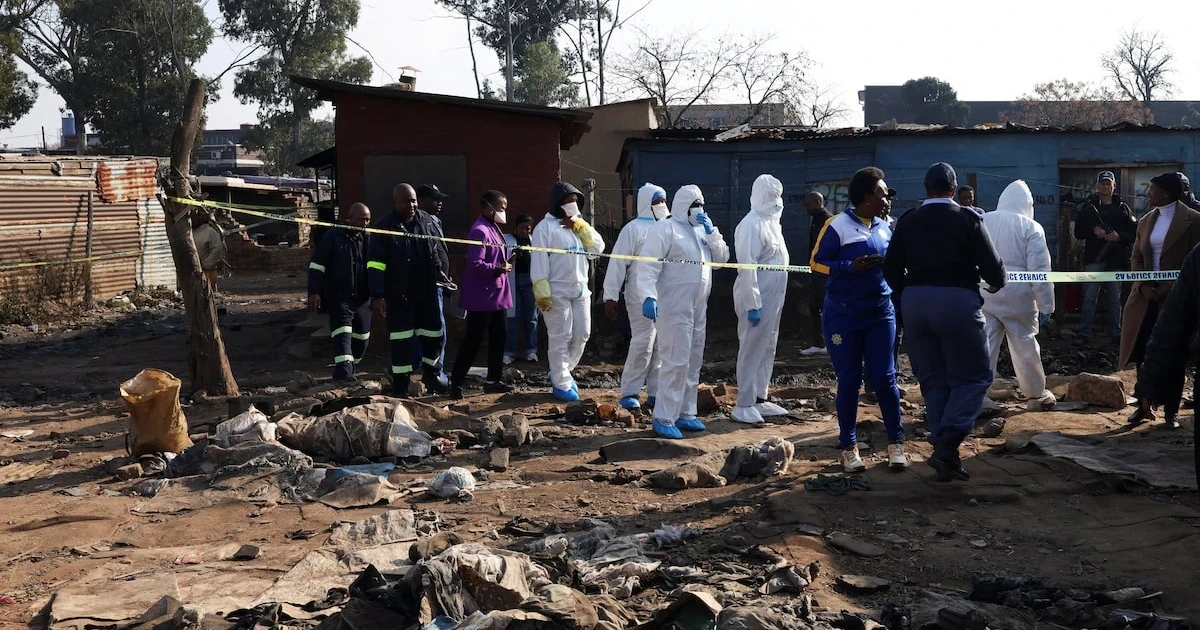
Gunmen on about 40 motorcycles attacked a secondary school community in Nigeria’s central Kogi state, killing three people and sending students, teachers and security forces into a chaotic gun battle that shattered what should have been a protected place for learning. The dead included the school’s vice principal, a 70-year-old man and a 6-year-old child.
The assault took place in Iluke Bunu community on June 10, when the attackers rode into the area around the school and overran the compound as students were reportedly sitting the West African Senior School Certificate Examination. The timing made the violence especially alarming: an exam hall, where teenagers should have been focused on their futures, became the scene of panic, flight and armed confrontation.
Police, the military and local vigilantes rushed in after the gunmen arrived. In the exchange of fire that followed, one suspected attacker was killed and one security operative was injured before the armed group fled into nearby bush. Authorities said they had no conclusive evidence that a mass abduction had succeeded, though a resident said some students may have been taken and investigations were continuing.
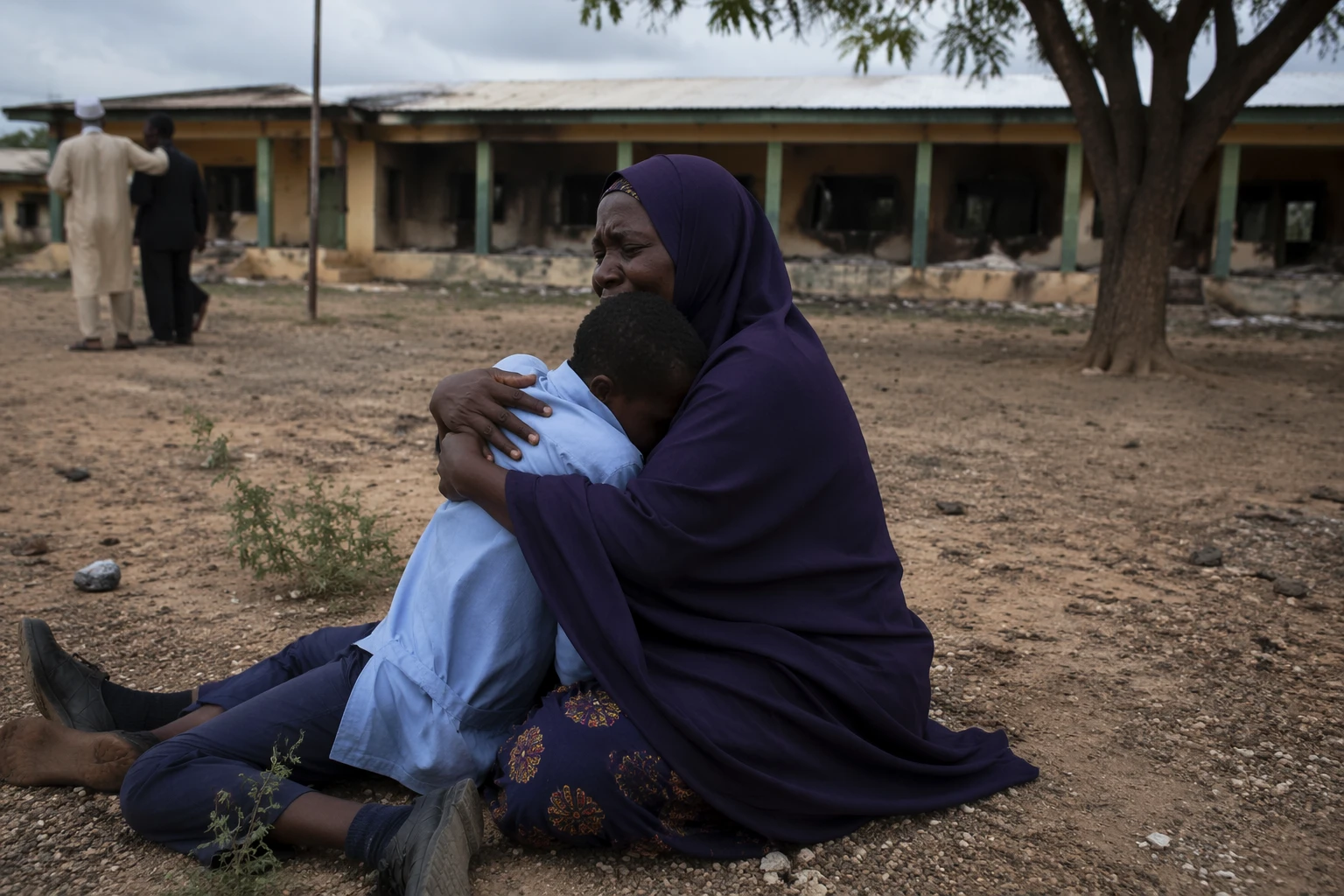
The attack deepened fears about the widening reach of school violence in Nigeria. Kidnappings from schools have become a grim part of insecurity in the country, where armed groups have used abductions for ransom and leverage. Those attacks have mostly struck the northwest, but the violence in Kogi showed how the threat has spread into the center of the country, bringing danger closer to communities that once seemed farther from the main flashpoints.
The shooting also landed amid fresh public anxiety after dozens of students abducted from southwestern Oyo state last month were still missing. That overlap has sharpened concern that schools are no longer reliably safe places for children, even in communities far from the country’s most notorious conflict zones. In the immediate aftermath, officials urged residents to remain calm and share credible information as security agencies hunted for the suspects, but the attack left a more lasting message: civilian life, education and basic security remain dangerously fragile in parts of Nigeria.