Health
Gut bacteria compound may help repair intestine in IBD
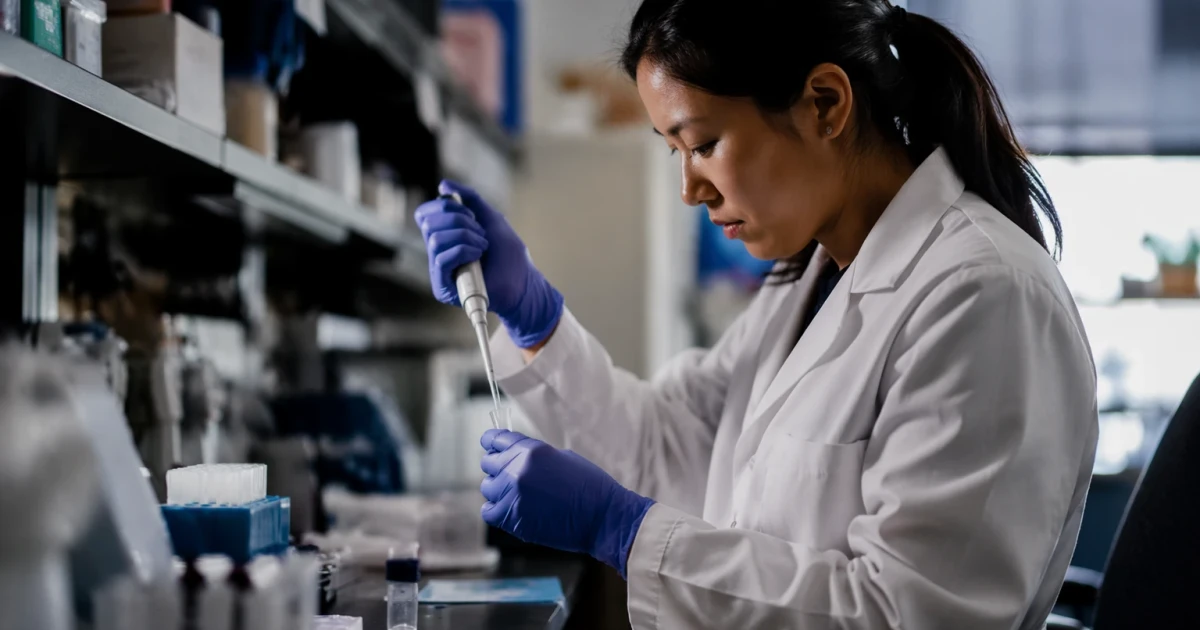
A study in Nature Communications found that urolithin A, a compound made when gut bacteria break down foods such as pomegranates, walnuts and berries, activated a repair pathway in intestinal cells and protected mice from colitis. The work was led by Venkatakrishna Rao Jala at the University of Louisville Brown Cancer Center, with collaborators at Stony Brook University, St. Jude Children’s Research Hospital, the University of Cincinnati and the University of North Carolina at Chapel Hill.
The findings point to a different strategy for inflammatory bowel disease: strengthening the intestinal barrier instead of broadly suppressing the immune system. In the study, urolithin A selectively activated the aryl hydrocarbon receptor in mouse intestinal epithelial cells, then triggered the NLRP6 inflammasome. That sequence drove IL-18 release, which the paper linked to production of IL-22, mucin 2 and REG3, molecules tied to mucus, antimicrobial defense and barrier repair. The researchers reported that the compound raised IL-18 but not IL-1, a sign that the response was selective rather than a general inflammatory surge.
That distinction matters because Crohn’s disease and ulcerative colitis damage the lining that normally absorbs nutrients while keeping microbes out of the body. Once that barrier weakens, bacteria can cross into tissue and chronic inflammation can follow. The new work suggests urolithin A may help the intestine defend and heal itself after injury by using a pathway that acts on mucosal immunity and barrier integrity rather than by damping immunity across the board.
The study went beyond mice and found increased IL-18 and IL-22 levels in intestinal biopsies from patients with IBD, offering a human signal that the mechanism may be relevant outside the lab. Still, the evidence does not show that urolithin A is ready as a treatment. It remains unclear whether the compound can be delivered safely, at the right dose, and with enough consistency to repair the barrier in people with active disease.
The public-health stakes are substantial. The Centers for Disease Control and Prevention estimates that 2.4 million to 3.1 million Americans live with IBD, and it put annual U.S. health care costs at about $8.5 billion in 2018. A Crohn’s & Colitis Foundation analysis in November 2024 said more than 100,000 Americans under 20 have IBD, with pediatric prevalence rising about 22% for Crohn’s disease and 29% for ulcerative colitis since 2009.