Health
Gut Bacteria Connection Offers New Hope for Parkinson's
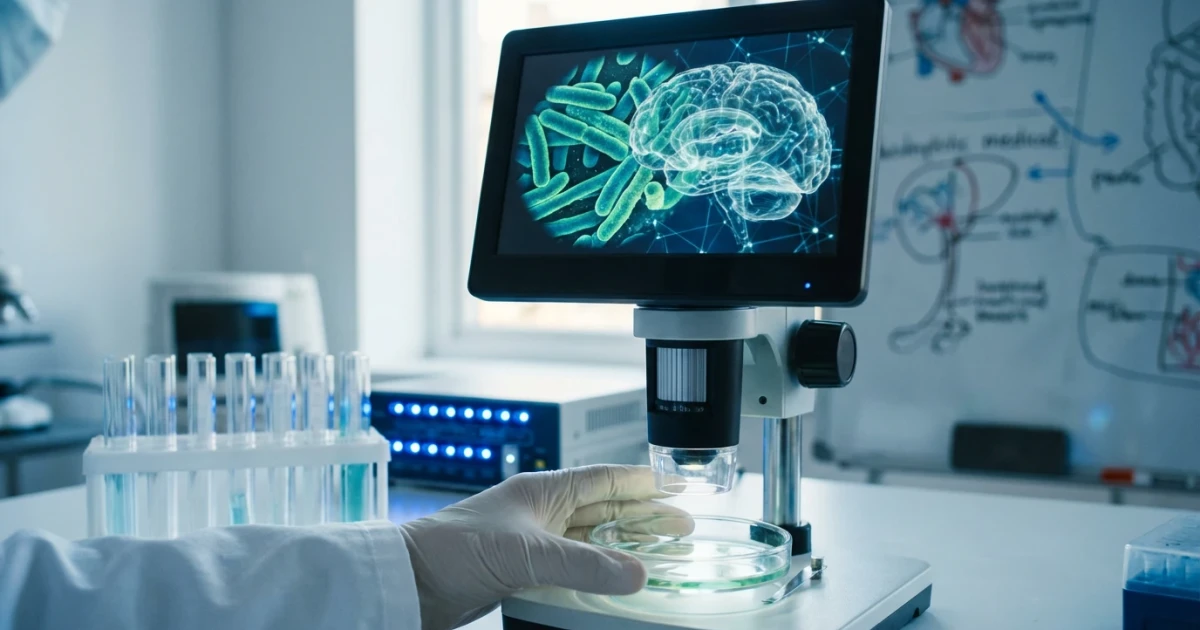
New research is shedding light on the role of gut bacteria in Parkinson’s disease, suggesting that simple interventions targeting the microbiome could hold promise for managing or even preventing the condition. This growing body of evidence, highlighted by a recent ScienceAlert report, is capturing the attention of scientists and patients alike, as it points to a potential shift in understanding and treating Parkinson’s—a neurodegenerative disorder affecting millions worldwide.
The Gut-Brain Connection in Parkinson’s Disease
For years, Parkinson’s disease was viewed primarily as a disorder of the brain, characterized by the loss of dopamine-producing neurons and resulting in symptoms like tremors, stiffness, and balance problems. However, emerging studies now suggest that the gut microbiome—the community of microorganisms living in the digestive tract—may play a significant role in the development and progression of Parkinson’s.
According to ScienceAlert, several recent investigations have found that Parkinson’s patients often exhibit distinct differences in their gut bacterial composition compared to healthy individuals. For example, some bacterial species appear in higher abundance, while others are depleted. These changes may influence the body’s immune response, inflammation, and even the production of crucial neurotransmitters.
Research Highlights and Data Insights
- Comprehensive analyses, such as those published in Nature Parkinson’s Disease, reveal statistically significant alterations in specific bacterial taxa in Parkinson’s patients, with some studies identifying up to 15–20% differences in certain gut microbe populations.
- Meta-analyses and systematic reviews have summarized these microbial changes, noting that the reduction of beneficial bacteria and increase of pro-inflammatory species may contribute to symptom severity.
- Data from the European Nucleotide Archive provides researchers with raw sequencing data and sample metadata, enabling deeper exploration of the microbiome’s role in Parkinson’s and supporting the reproducibility of findings.
The Michael J. Fox Foundation’s Parkinson’s and the Gut Research Program is actively funding projects to map these changes, with the aim of developing targeted interventions that restore a healthy microbial balance.
Potential for Simple, Non-Invasive Treatments
Perhaps the most exciting implication of this research, as noted by ScienceAlert, is the possibility of treating Parkinson’s through relatively straightforward adjustments to diet, probiotics, or other microbiome-modifying strategies. Unlike many current therapies that focus solely on neurological symptoms, these approaches could address one of the disease’s root causes.
Ongoing clinical trials, catalogued in the ClinicalTrials.gov database, are evaluating the safety and efficacy of such interventions. These studies range from dietary fiber supplementation to fecal microbiota transplantation, with researchers closely monitoring changes in motor function, gut health, and quality of life.
Looking Ahead
While the link between gut bacteria and Parkinson’s is compelling, experts caution that much remains to be understood. Individual variations in microbiome composition, disease progression, and response to treatment mean that a one-size-fits-all approach is unlikely. Nevertheless, the convergence of evidence from multiple studies, data repositories, and clinical trials offers real hope for developing more effective, less invasive therapies.
As the scientific community continues to unravel the complex interactions between the gut and the brain, patients and caregivers can look forward to new avenues for intervention—and possibly prevention—in the fight against Parkinson’s disease.