Health
Gut Microbiome Offers Clues to Parkinson’s Risk
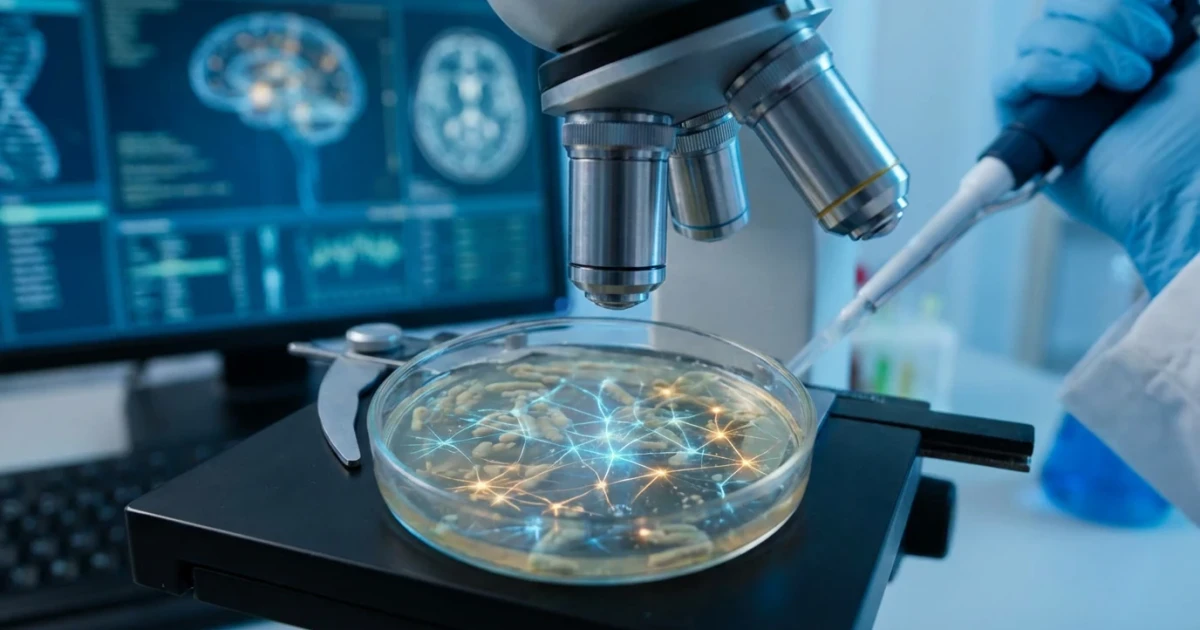
New research suggests that the gut microbiome—the community of trillions of bacteria and microorganisms living in the digestive tract—may reveal a person’s risk of developing Parkinson’s disease. Scientists are increasingly focused on the gut as both a potential predictor and influencer of the neurodegenerative disorder, offering hope for earlier detection and preventive strategies.
Gut Microbiome as a Predictor
According to scientists cited by The Guardian, the composition of the gut microbiome differs in people who later develop Parkinson’s disease compared to those who do not. Researchers have identified specific patterns in the gut bacteria of individuals at higher risk, which could serve as an early warning system years before traditional motor symptoms, like tremors or stiffness, appear. This finding aligns with a growing body of evidence summarized in systematic reviews and meta-analyses that link gut microbiome alterations to the onset and progression of Parkinson’s.
- Changes in gut microbiota may precede the development of Parkinson’s symptoms by several years.
- Researchers are investigating whether particular bacterial species or patterns are reliable biomarkers for risk assessment.
- Data portals like the Parkinson’s Progression Markers Initiative (PPMI) now include microbiome datasets to aid in these studies.
Implications for Prevention and Early Detection
By focusing on the gut, scientists hope to develop non-invasive tests that could flag those at risk much earlier than current diagnostic methods allow. This could be a major breakthrough, as Parkinson’s is often diagnosed only after significant neurological damage has occurred. The Guardian notes that ongoing research is examining whether modifying the microbiome through diet, probiotics, or other interventions could delay or prevent disease onset.
The Michael J. Fox Foundation highlights several ongoing initiatives aimed at mapping the microbiome changes linked to Parkinson’s, supporting the development of early diagnostic tools and potential therapies.
What to Eat and Avoid
Emerging evidence suggests diet may play a role in shaping the gut microbiome and, by extension, influence Parkinson’s risk. While more research is needed for definitive recommendations, some studies indicate that diets rich in fiber, fruits, vegetables, and fermented foods may promote a healthier gut microbiota. Conversely, diets high in processed foods and saturated fats are associated with less diversity in gut bacteria, which could increase vulnerability.
- High-fiber foods (e.g., whole grains, legumes, fruits, vegetables) support beneficial bacteria.
- Fermented foods (e.g., yogurt, kefir, sauerkraut) may boost microbial diversity.
- Minimizing processed foods and saturated fats may help maintain a balanced microbiome.
Challenges and Future Directions
Despite the promise, experts caution that the relationship between the gut microbiome and Parkinson’s is complex and not yet fully understood. Genetic factors also contribute to disease risk, as detailed in the Genetic Testing Registry, and it remains unclear whether gut changes are a cause or consequence of the disease. Large-scale longitudinal studies, such as those utilizing the PPMI data, are underway to answer these questions.
Nonetheless, the discovery that gut bacteria might serve as an early warning sign for Parkinson’s is reshaping how scientists approach neurodegenerative diseases. If validated, this could lead to routine screening, targeted prevention, and new therapeutic strategies.
Looking Ahead
As research continues, individuals can monitor developments through resources like the Michael J. Fox Foundation and engage with their healthcare providers about emerging findings. The gut-brain axis, once a fringe topic, is now central in the quest to understand, diagnose, and ultimately prevent Parkinson’s disease.