World
Guterres says Cyprus split must be solved to stabilize region
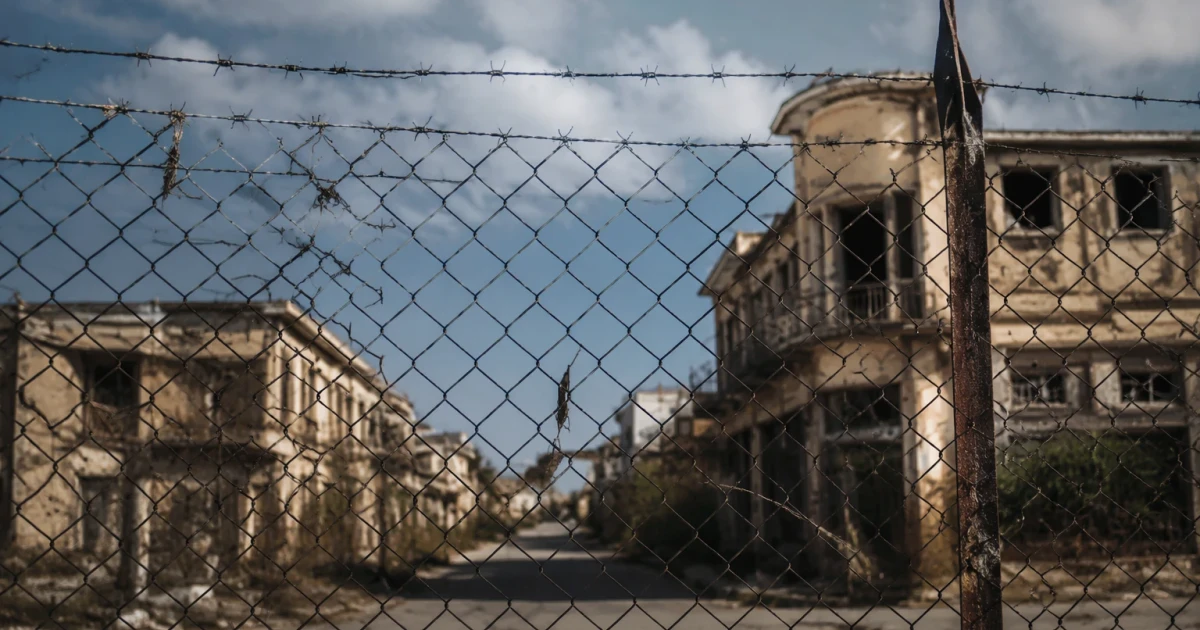
António Guterres said Cyprus’ ethnic division was “absolutely crucial” for stabilizing a turbulent region, putting the island’s long-running split back at the center of eastern Mediterranean security diplomacy. The United Nations chief’s warning reflects how Cyprus, though small, sits at the junction of Europe, the eastern Mediterranean and the Middle East, where disputes over security, energy, migration and maritime rights can quickly overlap.
The island has been divided since 1974, when a Greek-backed coup on July 15 was followed five days later by Turkey’s intervention in the north. Long before that, the United Nations Peacekeeping Force in Cyprus was deployed in 1964 amid escalating ethnic violence between Greek Cypriots and Turkish Cypriots. Today, the UN-controlled buffer zone remains a visible reminder of the division, and more than 800 peacekeepers from over 20 countries patrol it by foot, helicopter, vehicle and bicycle.
The latest diplomatic push has not been limited to symbolism. In March 2025, UN-led informal talks in Geneva brought together the Greek Cypriot and Turkish Cypriot sides along with the guarantor powers historically tied to the issue, Greece, Türkiye and the United Kingdom. Guterres said those meetings produced new trust-building measures and showed a “new atmosphere” among the island’s leaders, a rare sign of movement in a conflict that has outlasted generations of negotiators.
The UN followed that round with another institutional marker in July 2025, when it said Colin Stewart, the Special Representative and Head of UNFICYP, would brief the Security Council on Cyprus and on the secretary-general’s good offices mission. Security Council Report said the briefing came after six months of efforts to revive formal negotiations and before UNFICYP’s mandate was set to expire on 31 January 2026.
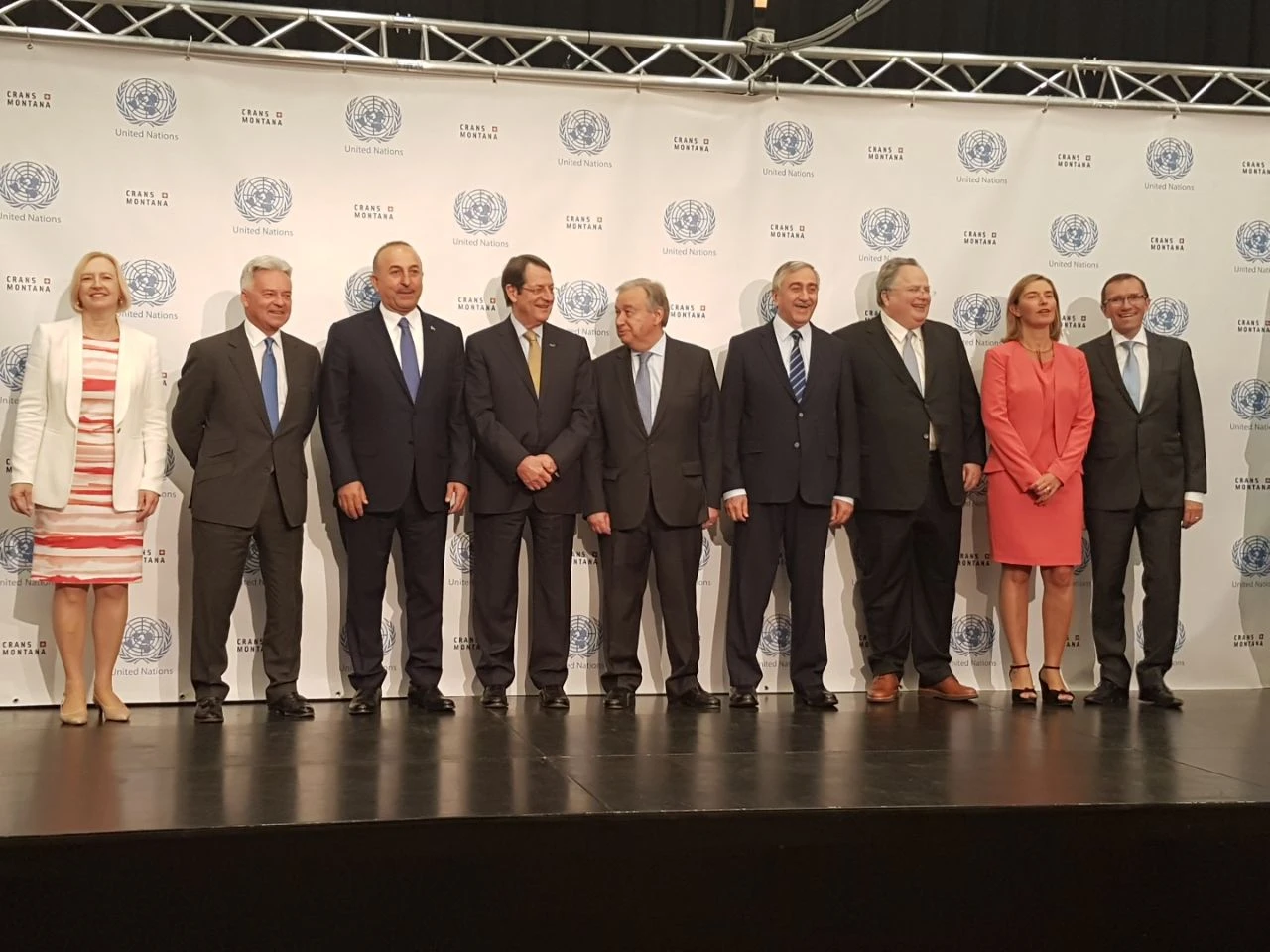
That backdrop explains why Guterres framed Cyprus as more than a bilateral dispute. The unresolved split has long complicated EU-Turkey relations and broader East Mediterranean stability, where competing claims can intersect with energy routes and maritime boundaries. Any settlement would require compromise on governance, security arrangements, territory and the rights of communities on both sides of the line.
Even without a final deal, the March talks showed that the island’s stalemate is not inert. With Greece, Türkiye and Britain still drawn into the process, and with the UN keeping a large peacekeeping mission on the ground, Cyprus remains one of the region’s most persistent flashpoints, not a diplomatic relic.