Technology
Guterres urges AI firms to reveal data center climate footprint

António Guterres used London Climate Action Week to turn the AI boom into a climate accountability test, urging major companies to publish the environmental footprint of the data centers that power their systems. Speaking at the Climate Innovation Forum in central London, the U.N. secretary-general said the industry’s rapid expansion has left electricity, water and land use too hidden from public view.
Guterres cast the issue as part of a wider climate and energy crisis rooted in continued fossil-fuel dependence, and he tied the AI transparency push to a broader demand for action on methane emissions. A U.N. summary of the address said he argued for a transition to a more secure, resilient and sustainable energy future powered by renewable energy. He also warned that London was experiencing its hottest day of the year and said the world had just lived through the eleven hottest years on record.
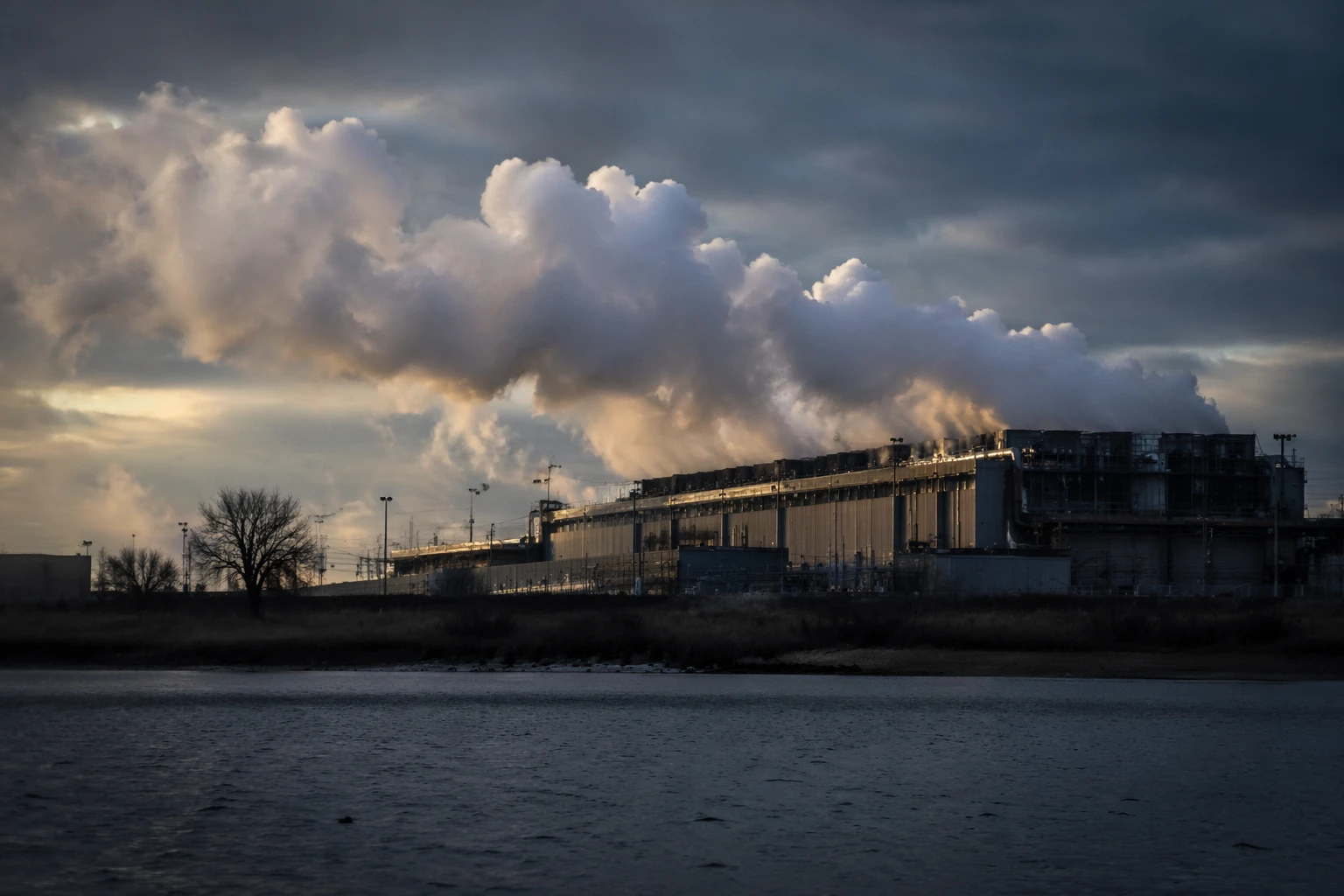
The warning came with a policy demand: AI firms should measure and publish the carbon, water and land use tied to their systems, and data centers should be powered by renewable energy by 2030. Guterres said the public is seeing the promises of productivity gains and scientific breakthroughs, but not enough of the infrastructure burden behind them. His remarks reflected a growing push from environmental groups and governments for clearer reporting from a sector that has exploded in size as demand for AI computing has surged.

The scale of that burden is already drawing sharper scrutiny. A June 3 report from the United Nations University Institute for Water, Environment and Health projected that AI data centers could consume 945 terawatt-hours of electricity a year by 2030, nearly triple the combined annual electricity use of Pakistan, Bangladesh and Nigeria. The same research projected water use equivalent to the basic annual domestic needs of 1.3 billion people in sub-Saharan Africa, and land use above 14,500 square kilometers, roughly twice the size of the Jakarta metropolitan area.

That research argued that AI’s environmental effects are often underestimated because public debate has focused mainly on carbon emissions from model training, while day-to-day use may account for about 80% to 90% of total AI energy demand. UN News said one widely used AI service processes around 2.5 billion prompts a day, and that generating a single AI image can require more than a thousand times the energy of simple text classification. The UNU-INWEH researchers said their work was a call for responsible AI deployment, not a rejection of the technology, as the pressure grows for the AI industry to meet the same transparency standards long imposed on heavy industry.
Sources
- [1]usnews.com
- [2]unfccc.int
- [3]un.org
- [4]news.un.org
- [5]unu.edu
- [6]upi.com