World
Guterres urges climate risk to move to the center of economic policy
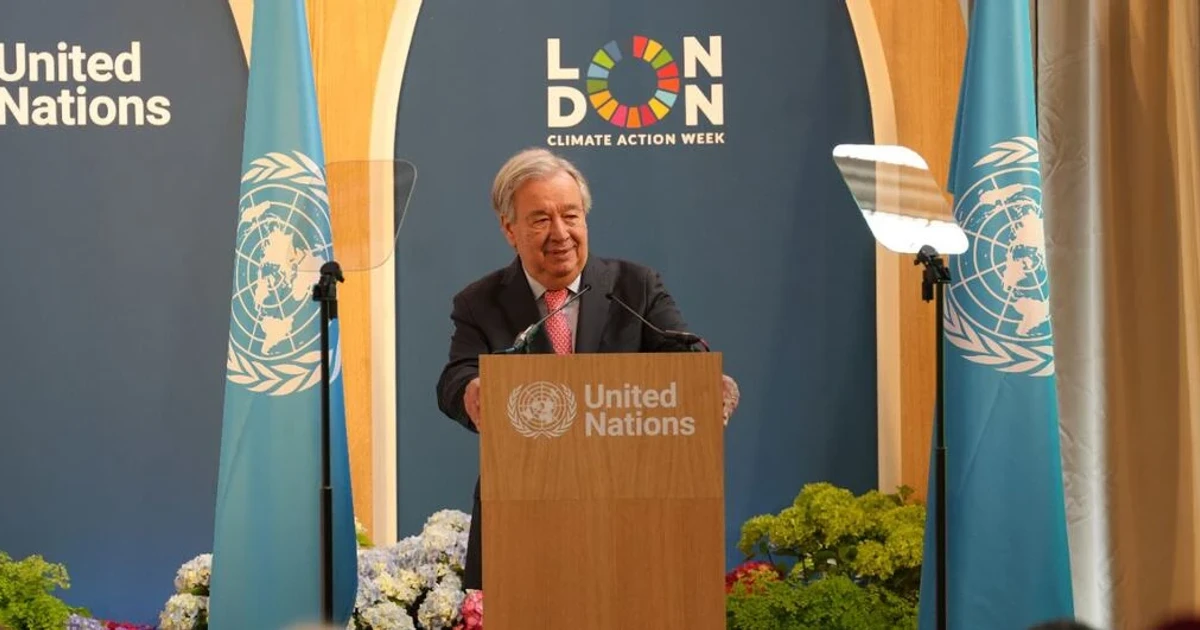
António Guterres used a London Climate Action Week appearance on 23 June 2026 to push climate risk into the center of economic policy, telling governments to fold it into fiscal policy, regulation and budgeting rather than leaving it to environmental ministries. Speaking as London marked its hottest day of the year, the UN secretary-general said the forum was meant to unlock finance for countries trying to transform and adapt to the climate crisis, and that adaptation is now about managing risks in real time.
His argument was aimed squarely at the people who shape public spending. Guterres called on finance ministers, central banks, planning ministries and public investment authorities to treat climate exposure as a core economic issue, with direct consequences for budgets, debt and infrastructure spending. He said the climate is changing faster than systems, infrastructure and institutions can handle, and warned that climate vulnerability anywhere becomes an economic and security risk everywhere, feeding food and water stress, supply-chain disruption, displacement and fiscal instability.
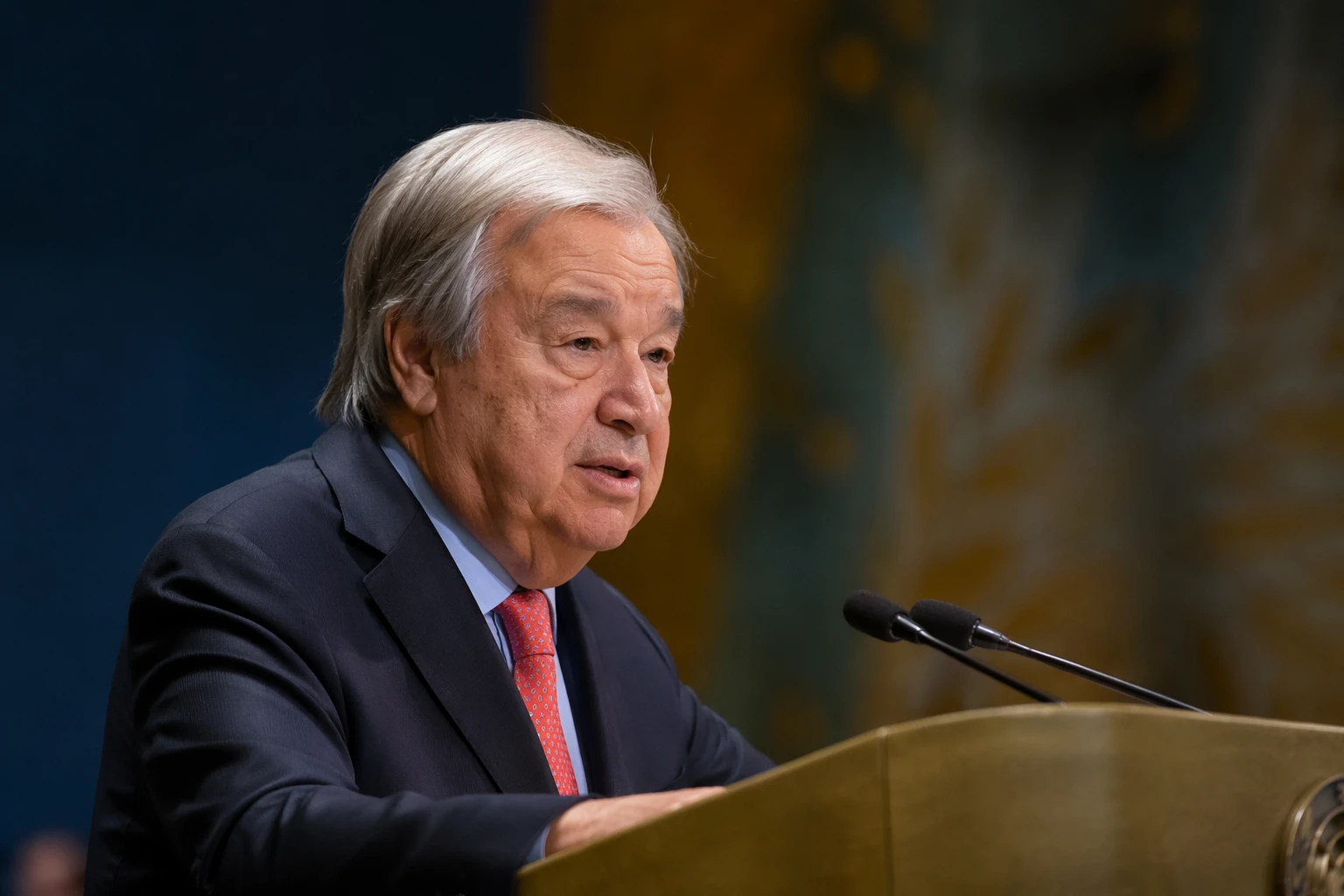
The financial stakes were spelled out in blunt terms. Guterres said the financial system has undervalued adaptation for years, leaving a major funding gap just as droughts, floods and other extreme weather hit communities worldwide. He said insurance premiums are rising, protection gaps are widening and infrastructure is increasingly out of date, a combination that can raise the cost of borrowing and force governments to delay repairs, harden assets or rebuild after disaster. Developed countries must triple adaptation finance and replenish multilateral climate funds, including the Green Climate Fund and the Fund for Responding to Loss and Damage.
He also argued for new ways to pay for the transition. Guterres called for levies on polluting industries, blended finance, guarantees to draw in private capital and windfall taxes on fossil-fuel companies, with the proceeds directed toward adaptation and climate-related losses. He said multilateral development banks need far more capital so they can lend at larger scale for resilience projects, especially in poorer countries that face the highest climate risks and have the least ability to pay for protections.
Guterres said the World Meteorological Organization counts the 11 hottest years on record, and that scientists now expect global temperatures to exceed 1.5 degrees Celsius in the coming years. He pointed to coral reefs, Greenland, West Antarctica and the Amazon as systems under acute threat, saying reef damage alone could affect the livelihoods of at least 300 million people. He also framed the current energy shock as part of what he called a Tale of Two Crises, comparing it with the 1970s oil upheavals and the disruption after Russia’s invasion of Ukraine.
Sources
- [1]finance.yahoo.com
- [2]un.org
- [3]unfccc.int
- [4]media.un.org
- [5]news.un.org