World
Guterres visits Haiti as gang violence and hunger deepen crisis
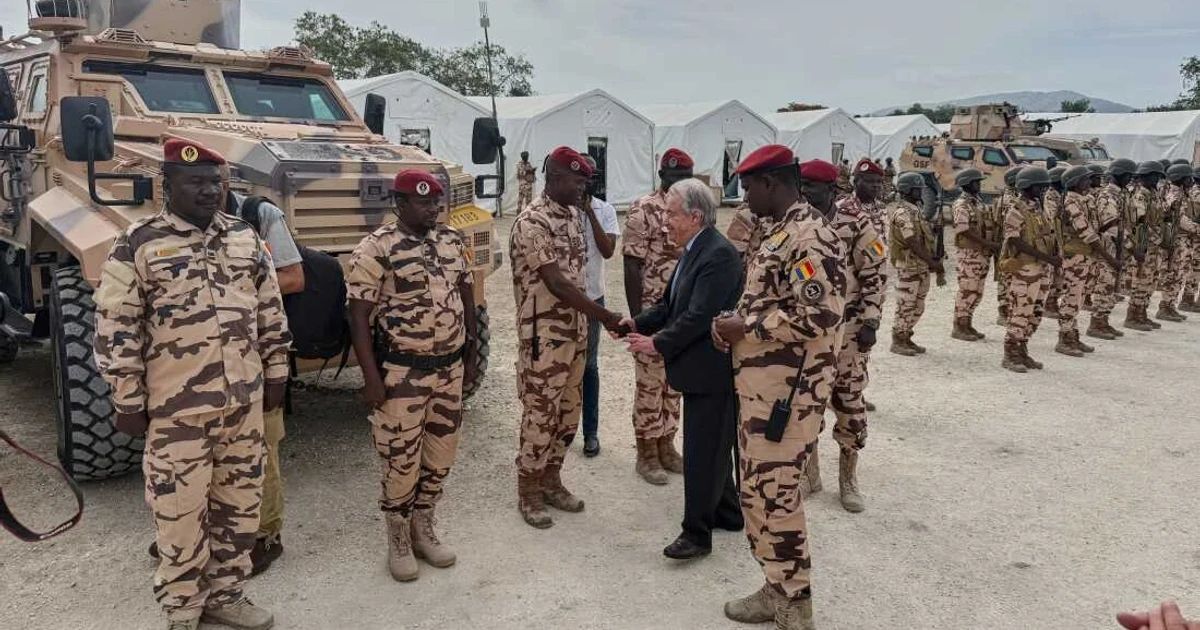
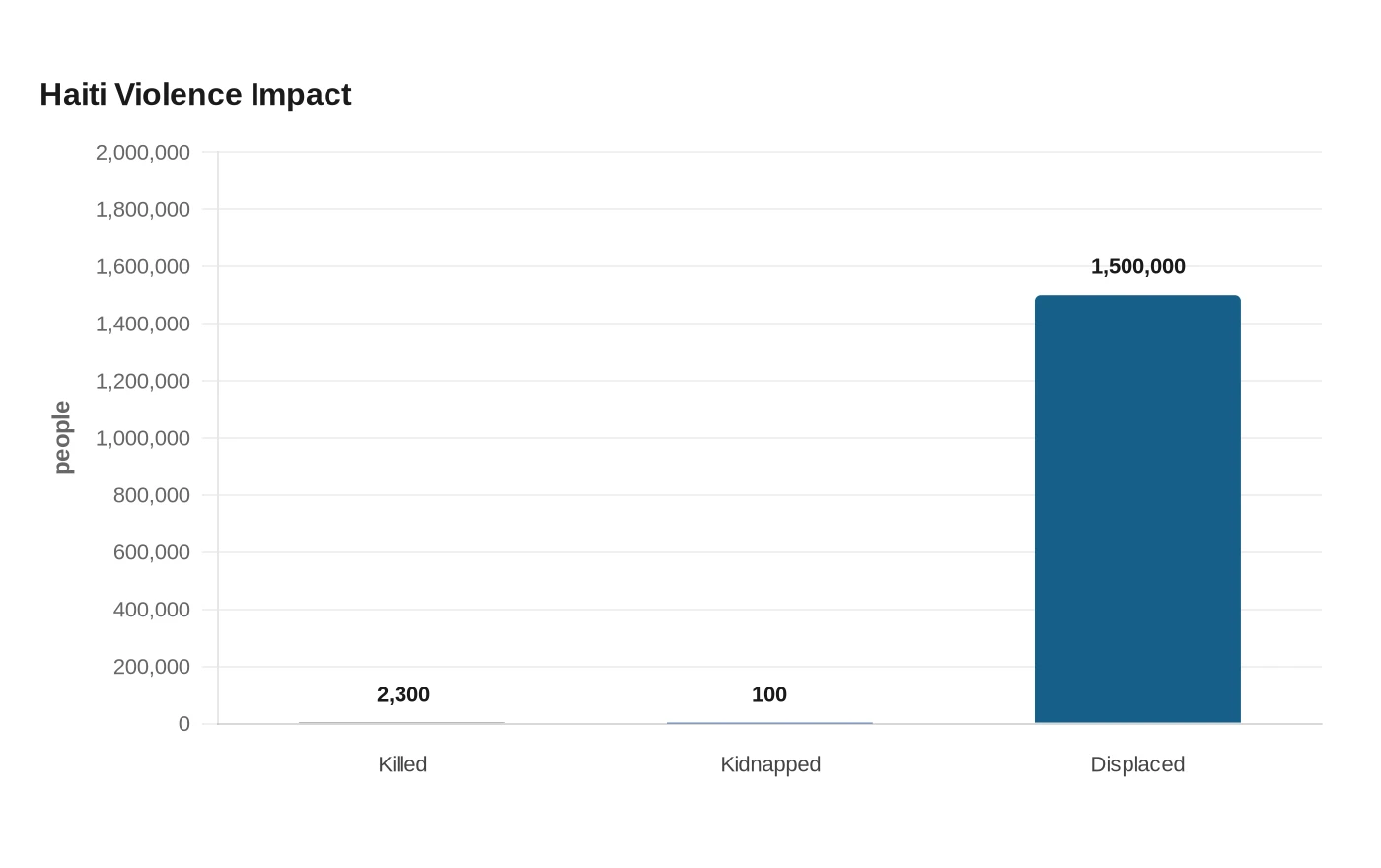
António Guterres arrived in Port-au-Prince facing the credibility test that has followed Haiti for years: whether a new international force can do more than promise stability while gangs keep killing, kidnapping and driving families from their homes. The U.N. said 2,300 people had been killed in Haiti this year, 100 had been kidnapped, and 1.5 million people had been displaced as violence spread through already fragile neighborhoods.
Guterres’s visit was his first to Port-au-Prince since July 2023, and he was expected to meet Prime Minister Alix Didier Fils-Aimé while touring the base of the new Gang Suppression Force. The Security Council authorized that force in Resolution 2793 on Sept. 30, 2025, for an initial 12-month period, replacing the Kenyan-led Multinational Security Support mission and pairing it with the new U.N. Support Office in Haiti, known as UNSOH. The mission arrives under pressure to show that it can protect civilians where previous international deployments fell short.
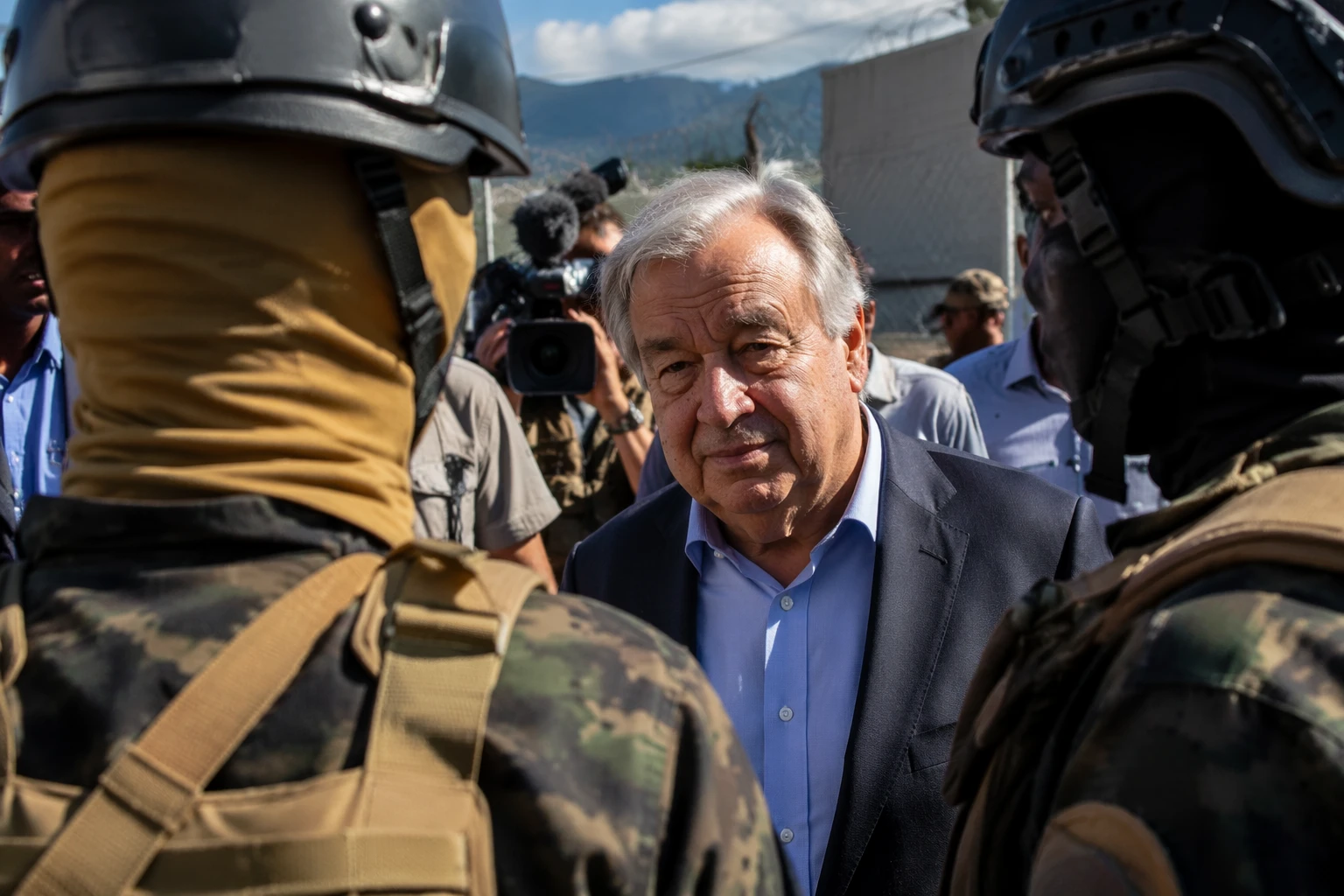
The scale of Haiti’s emergency extended far beyond the security crisis. U.N. officials said 6.4 million people, more than half the population, will require emergency humanitarian assistance in 2026, while 5.7 million people are going hungry. Violence-related displacement has doubled compared with the same period a year earlier, underscoring how gang control has reshaped daily life and further weakened a state that is struggling to deliver basic services.
In April, the United Nations released $140.5 million in emergency funding to reach 1 million people in Haiti, a stopgap response to a crisis that continues to outrun aid plans. Human Rights Watch urged Guterres ahead of the visit to push for broader protections, accountability and pathways out of armed groups, including for children trapped inside them, warning that criminal groups were tightening their grip on the country.
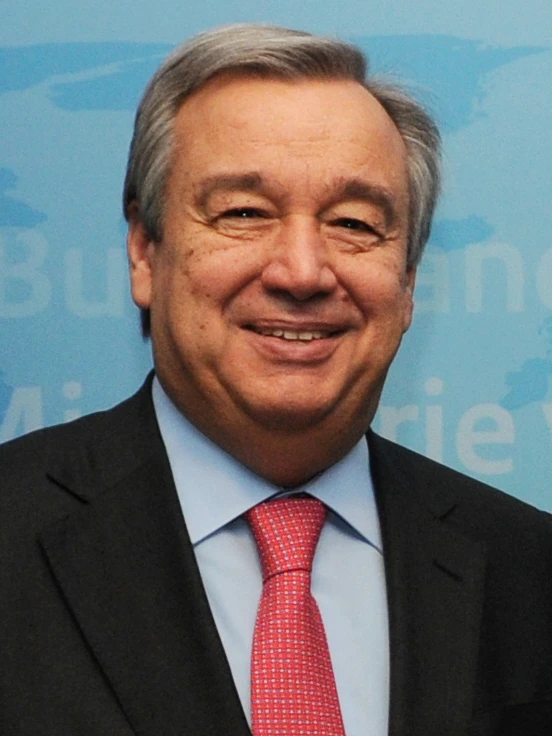
During the visit, Guterres apologized to Haitians for what he called the international community’s abandonment of the country, while saying there were still “glimmers” of hope. He also told Haitians, “you are not alone.” For the new force, the measure will not be the language of commitment in Port-au-Prince, but whether it can reduce killings, reopen space for aid and give Haitian institutions room to function again.
Sources
- [1]npr.org
- [2]un.org
- [3]news.un.org
- [4]digitallibrary.un.org
- [5]unocha.org
- [6]hrw.org