World
Guterres warns Middle East crisis deepens as Trump threatens Iran strikes
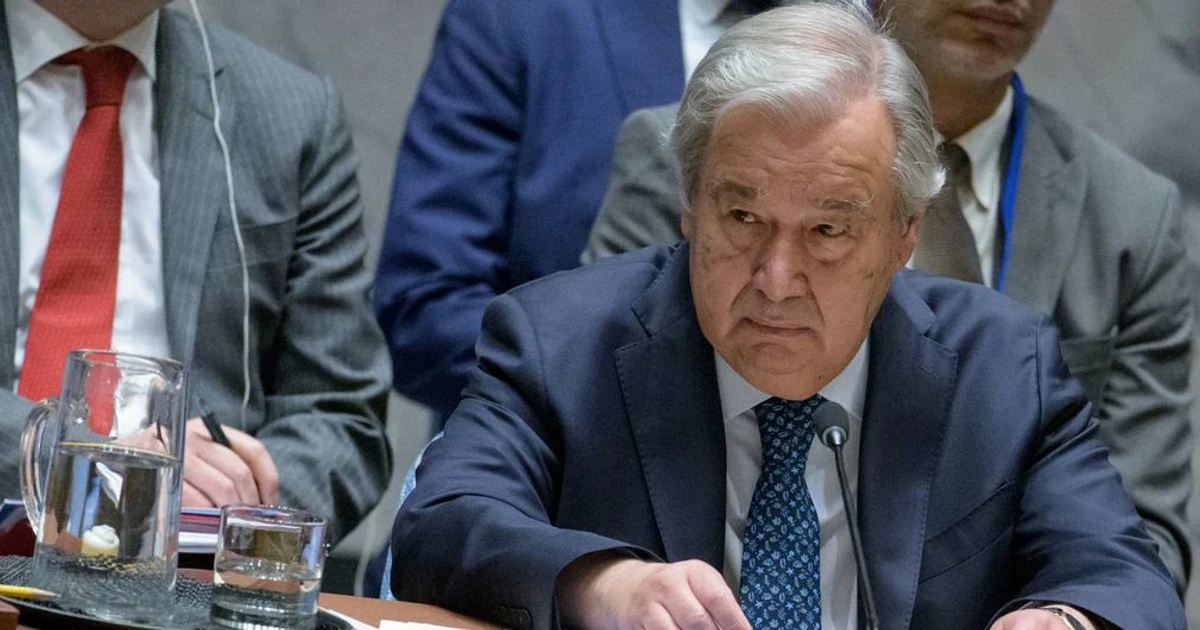
Additional strikes on Iran would not just raise the cost of one more round of fighting. They would deepen a crisis already pushing the Middle East toward wider war, threaten shipping through the Strait of Hormuz, strain oil and fuel markets, and make an already fragile diplomatic track far harder to salvage.
António Guterres told the U.N. Security Council that the Middle East was being “pulled deeper into crisis” and warned of a risk of a “full resumption of conflict.” He described the cease-fire as “more like a lesser-fire,” a blunt warning that the violence has not eased so much as shifted form. Guterres said the escalation was driving displacement, insecurity, and higher food and fuel costs across the region.
He pointed in particular to Lebanon, where Israel has intensified operations since March and Hizbullah has fired deeper into Israel. More than 1 million civilians have been displaced in southern Lebanon, and seven U.N. peacekeepers have been killed, including one the previous week. The losses underscore how quickly the fighting has spread beyond the initial front lines and how exposed international personnel have become.
At the same time, Donald Trump sharpened pressure on Tehran, saying Iran had taken too long to negotiate and would “have to pay the price.” In a Fox News interview, he said he was getting close to ordering new strikes on Iran’s power plants and bridges if Tehran did not sign an agreement. Bloomberg reported that the United States renewed attacks overnight on Iran and that the April cease-fire was a fragile two-month truce, raising the stakes of any further military move.
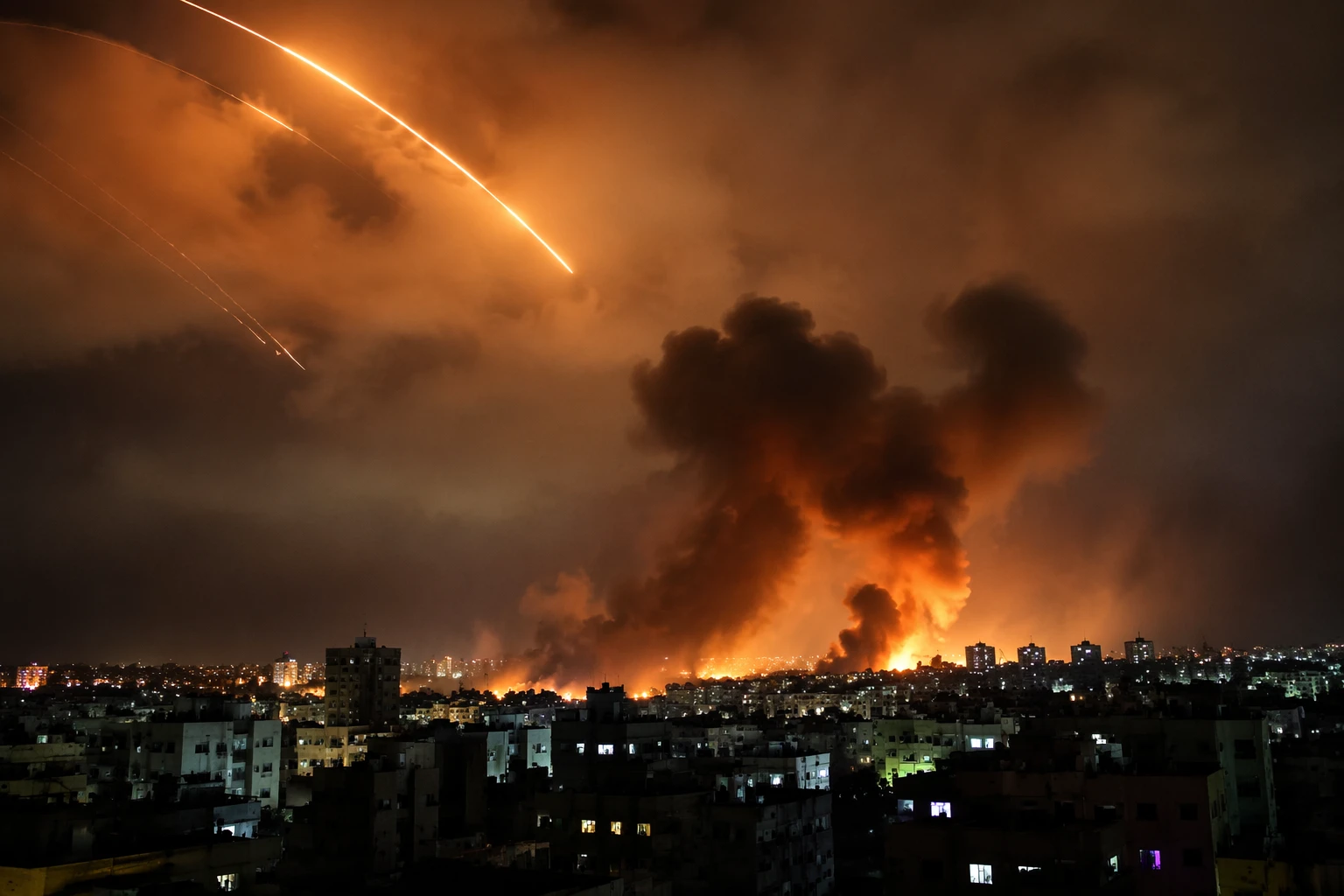
Diplomacy was still in motion even as the threat level rose. Qatari negotiators traveled to Tehran on June 10 after consultations with the United States, trying to finalize an agreement centered on a framework to halt the war, ease tensions in the Strait of Hormuz, and address Tehran’s nuclear material. Iranian state media said on June 1 that Tehran had halted negotiations with Washington over the war, citing Israel’s conduct in Lebanon, though Trump said at the time that talks were still moving quickly.
The result is a narrow and dangerous opening: coercive pressure may be meant to force concessions, but more strikes could just as easily collapse the talks and pull the United States into a broader war with regional and global consequences.
Sources
- [1]nytimes.com
- [2]press.un.org
- [3]usnews.com
- [4]bloomberg.com
- [5]abc.net.au
- [6]reuters.com