World
Guyana charges ferry captain and crew after deadly capsizing
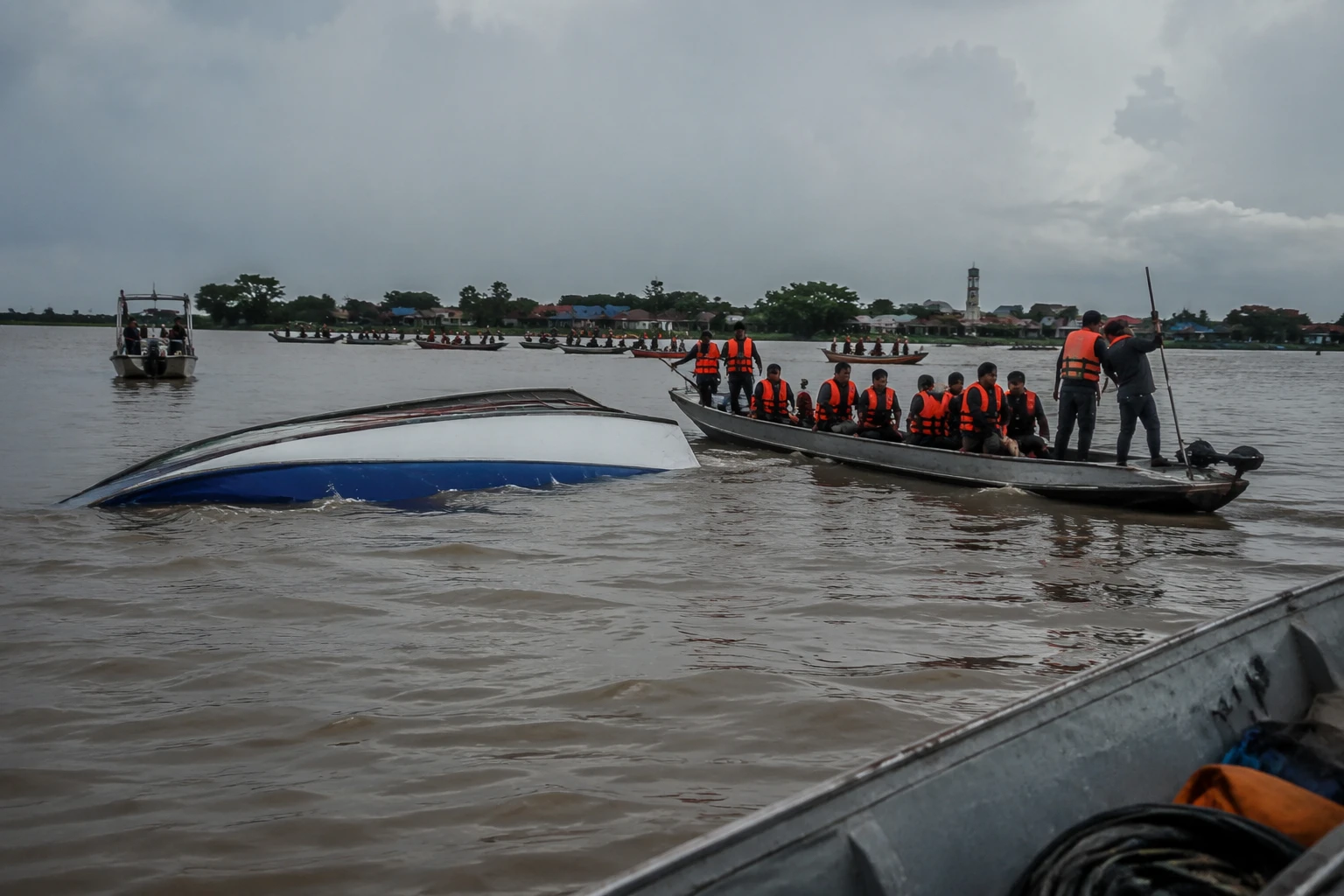
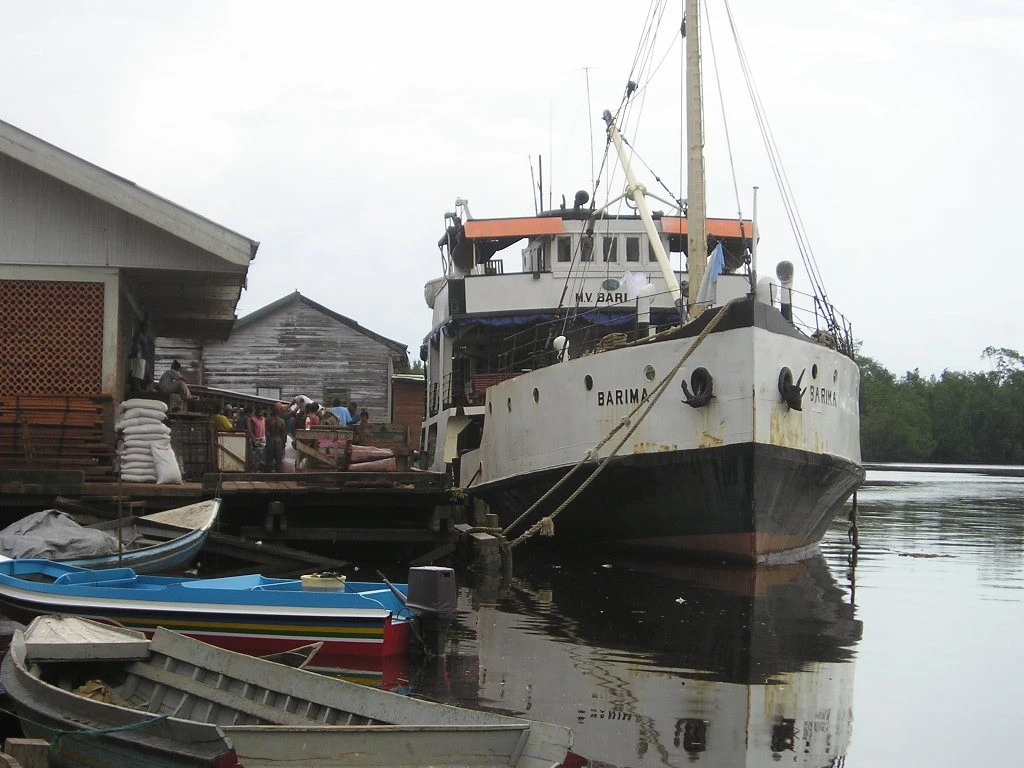
Guyana police filed murder charges against the captain and two crew members of the MV Barima, turning a fatal ferry disaster into a criminal case centered on whether reckless decisions helped sink the vessel. The charges came more than a week after the 87-year-old state ferry capsized on July 18 while traveling from Georgetown to Port Kaituma.
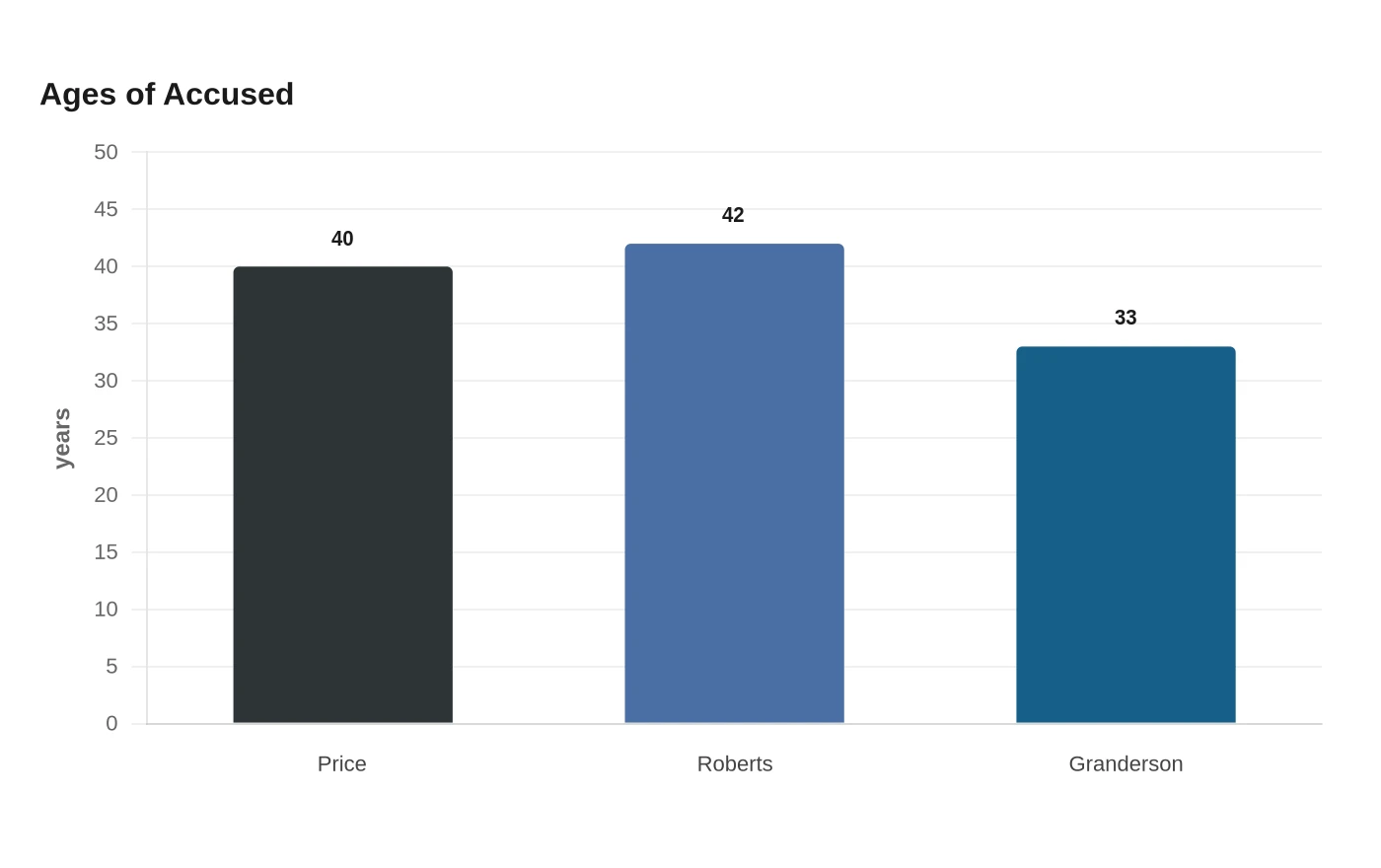
The accused were identified as Captain Kevin Price, 40, crew member Rondell Dwayne Roberts, 42, and crew member Delon Granderson, 33. More than 70 people died in the capsizing, and 30 passengers were listed as missing in the aftermath, making it one of the country’s deadliest transport disasters in years.
Authorities have not framed the case as a simple accident. The murder charges suggest investigators are examining whether the crew’s actions rose to the level of gross negligence or recklessness, with the inquiry likely to focus on the ferry’s condition, overloading, weather, training, maintenance and any warning signs the crew may have ignored before the vessel went down. Reuters identified the ship as the MV Barima, an aging ferry that was carrying passengers on the inland route between the capital and Port Kaituma, a trip that highlights how vital river transport remains in Guyana.
Questions about loading and passenger control already shadowed the rescue effort. Government officials said at least 35 of the 67 people rescued were not on the manifest list, a detail that deepened concerns about who was aboard and whether basic boarding procedures had broken down. Separate reporting said the ferry was believed to have been overloaded, adding to pressure on investigators to determine whether the disaster was driven by decisions made well before the sinking.
The criminal probe is running alongside a technical investigation. Guyana launched a criminal inquiry into the capsizing, and authorities also appointed experts to examine what went wrong, signaling that police want not only the mechanics of the sinking but the chain of command, compliance and oversight that led up to it. That two-track response reflects the scale of the loss and the political stakes for a country where ferries are essential links for communities with limited access to roads or air travel.
For Guyana, the case raises a broader question about whether this voyage exposed failures that had been tolerated long before the MV Barima left Georgetown. Aging vessels, weak enforcement and overloaded crossings can turn routine travel into a high-risk necessity, and the murder charges show investigators are treating this disaster as something more than maritime misfortune.
Sources
- [1]apnews.com
- [2]aol.com
- [3]lmtonline.com
- [4]abcnews.com
- [5]winknews.com
- [6]ca.news.yahoo.com