World
Guyana ferry death toll rises to 72 as recovery continues
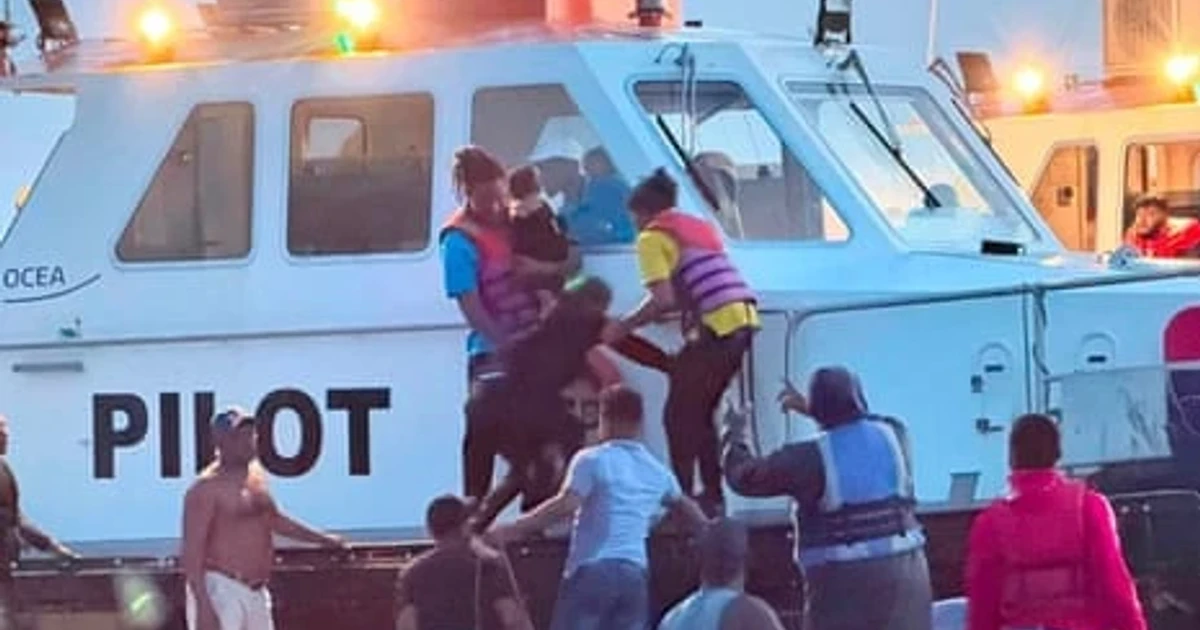
The death toll from Guyana’s ferry capsizing rose to 72 as a multinational team worked to salvage the partially submerged vessel and recover victims. The increase underscored how quickly the scale of the disaster shifted as divers, marine crews and rescue workers pushed deeper into the wreck.
The ferry was later identified as the MV Barima, which capsized off Guyana’s coast. Early accounts said it was carrying 133 passengers and crew, while later tallies put the number of people believed to have been aboard at roughly 179. By July 23, officials had said 76 people survived and 53 bodies had been found, a gap that left families waiting on the waterline for answers as the casualty count kept changing.
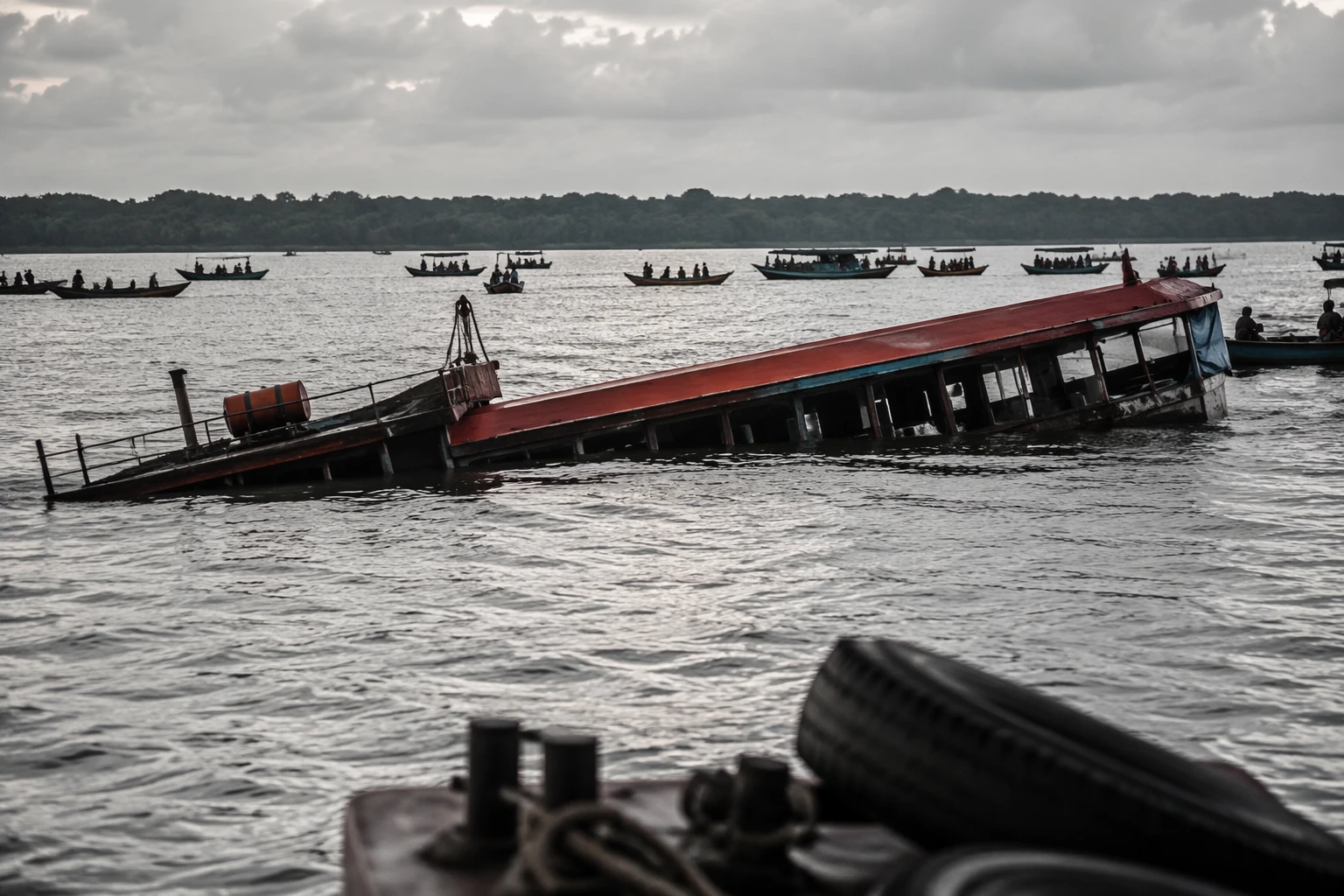
Questions about how the ferry was loaded and operated have become central to the case. Authorities suggested that an inaccurate passenger list may have contributed to the disaster, and they also raised the possibility that drug use by the crew played a role. Those claims point investigators toward basic failures in oversight, not only at the moment of capsizing but in the systems that are supposed to keep passenger manifests, crews and vessels in check.
The condition of the vessel is also under scrutiny. CBC News reported that the boat had maintenance in 2024 and was due for dry docking later in 2026, details that will matter as investigators assess whether mechanical problems, delayed upkeep or other breakdowns helped turn a routine crossing into a mass-casualty event. Salvage work on the hull is expected to be a key part of that inquiry because the wreck itself may reveal what happened before the ferry rolled over.
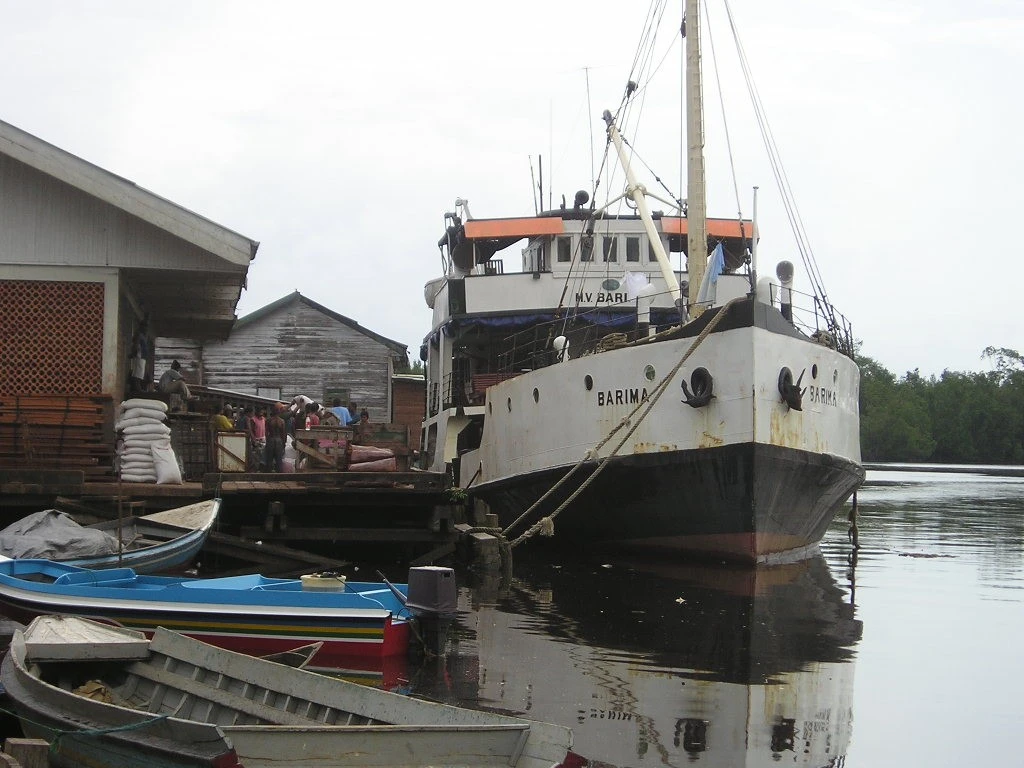
Guyana’s Defence Force, Coast Guard and private vessels joined the response, and Prime Minister Mark Phillips was described as personally overseeing it. The scale of that deployment reflected how heavily the country depends on ferries for travel and commerce across river and coastal routes, and how exposed those systems become when a single vessel fails.
Sources
- [1]apnews.com
- [2]ctpost.com
- [3]gulftoday.ae
- [4]inquirer.com
- [5]kfgo.com
- [6]aljazeera.com
- [7]cbc.ca
- [8]cnn.com
- [9]usnews.com