Health
Hair oil vs scalp oil: experts explain the difference and best uses
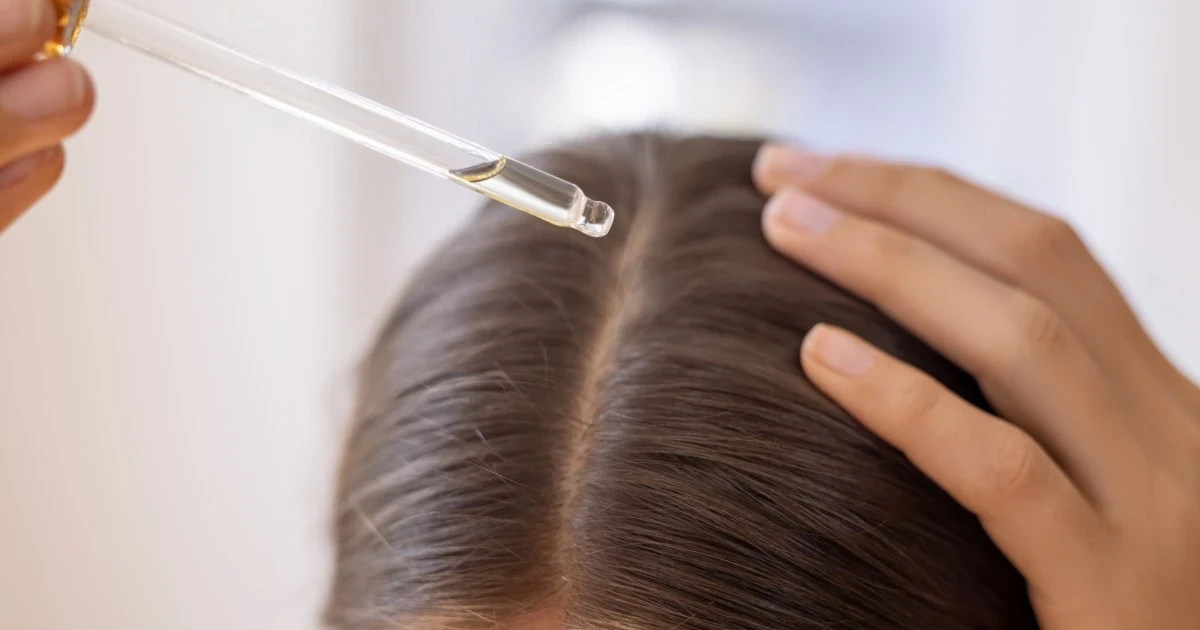
Hair oil coats the hair shaft, reducing frizz and helping protect dry, brittle strands. Scalp oil targets the skin on the head, where irritation, dryness, and dandruff can show up as a medical problem, not just a cosmetic one. Using oil in the wrong place can leave buildup behind, feed more flaking, or delay treatment that actually works.
Hair oil and scalp oil do different jobs
Used correctly, hair oil is mainly a styling and protection product. It smooths the outside of the hair, adds softness, helps tame flyaways, and can reduce the look of breakage caused by dryness. Scalp oil, by contrast, is meant for the scalp itself, the skin where hair grows, and it is usually sold for dryness, irritation, massage routines, or dandruff-focused care.
The product category has widened beyond simple oils. Scalp products can include serums, treatment oils, and formulas made to address dandruff, while hair oils are usually marketed for shine, softness, and frizz control. Ingredients such as argan oil, jojoba oil, coconut oil, castor oil, and rosemary oil show up across both categories, but the same ingredient can behave very differently depending on whether it is used on the lengths or massaged into the scalp.
A flaky scalp is a skin issue, not just a beauty concern
The scalp is skin, and that skin can develop common conditions such as dandruff and seborrheic dermatitis. The American Academy of Dermatology defines dandruff as small pieces of dry skin that flake off and can itch, and those flakes are often more visible on dark hair or dark clothing. Seborrheic dermatitis is another common skin condition, marked by a scaly rash on oily areas such as the scalp and face, and it often shows up on the scalp of teens and adults as dandruff.
These conditions can come and go, and they can be linked to oily skin, hair-care habits, or certain medical conditions. Cleveland Clinic warns that too much oil on the scalp can contribute to dandruff because skin cells build up and then flake off. A heavy oil routine can backfire when the real issue is an irritated, already-oily scalp rather than dry hair lengths.
Choose by the problem, not by the trend

The fastest way to decide between hair oil and scalp oil is to name the problem first.
• If your lengths feel dry, rough, or frizzy, hair oil is the better fit. • If your scalp feels tight, dry, itchy, or irritated, a scalp-focused product may make more sense. • If you have flakes, greasy patches, or a rash-like scalp issue, the question shifts from beauty to treatment. • If the main goal is shine or softness, keep oil on the mid-lengths and ends rather than the roots.
Not everyone should put oil directly on the scalp. Cleveland Clinic warns that some people may be at higher risk for seborrheic dermatitis if they do, depending on hair type. A scalp oil routine that helps one person can make another person’s buildup, itch, or flaking worse.
When dandruff is the issue, washing usually comes before oiling
Mayo Clinic advises treating mild dandruff at home by washing hair more often with a gentle shampoo. If that is not enough, medicated dandruff shampoos are the next step. The American Academy of Dermatology advises that a dandruff shampoo can treat mild to moderate seborrheic dermatitis on the scalp.
A flaky scalp often needs cleansing and treatment, not more oil. Cosmetic oils may improve the feel of hair, but they do not remove the skin buildup that causes dandruff. If flakes, itching, or greasy scaling do not improve with regular washing, persistent symptoms deserve a dermatologist visit.
Common mistakes that can make buildup worse
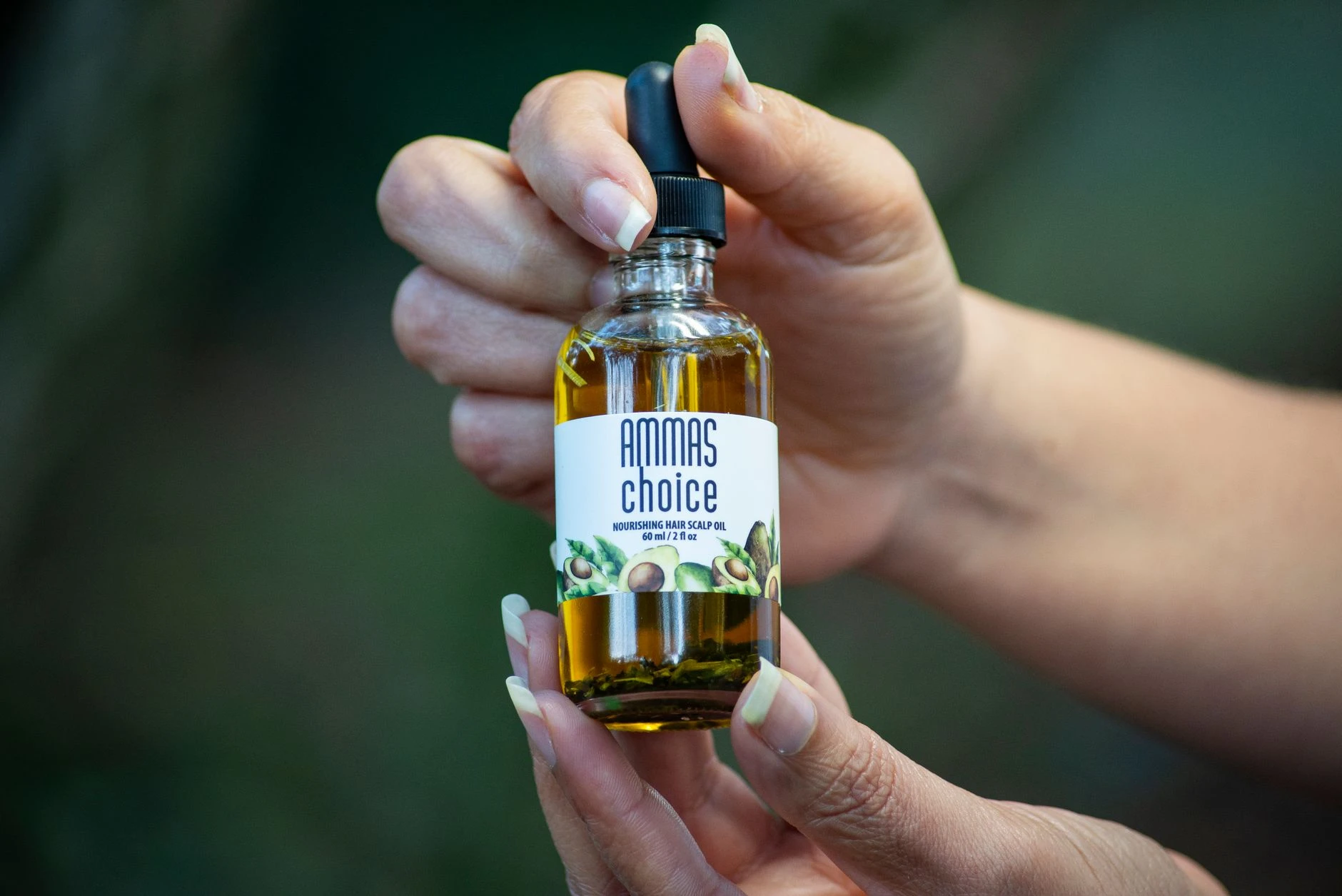
The biggest mistake is treating every flaky scalp like dry hair. When someone with dandruff reaches for a heavy oil and applies it straight to the scalp, the result can be more residue, more buildup, and more visible flaking. Cleveland Clinic warns that excess oil on the scalp can contribute to dandruff because dead skin and oil collect, then shed.
Another common error is using too much product. Hair oil belongs mostly on the parts of the hair that need smoothing, not as a blanket coating from roots to ends. Scalp oil, when it is appropriate, should be used with a much lighter hand and with a clear purpose, not as a daily substitute for proper washing.
Rosemary oil may support hair growth when mixed with a carrier oil or gentle shampoo and massaged into the scalp daily, Cleveland Clinic advises. That does not make it a cure-all, and it does not mean more oil is better. It simply means some ingredients are used as part of a targeted routine, not as a stand-in for medical treatment.
A practical routine by hair type and scalp condition
For dry or frizz-prone hair with a comfortable scalp, start with hair oil on the mid-lengths and ends. That keeps the shine where it is useful and avoids weighing down the scalp. For a dry but non-flaky scalp, a light scalp product may be reasonable, but it should not replace regular cleansing.
For an oily scalp with flakes, start with washing more often using a gentle shampoo. If the flakes persist, switch to a medicated dandruff shampoo rather than layering on more oil. For itch, scaly patches, or recurring dandruff that keeps coming back, the scalp is signaling a skin condition that needs treatment, not just styling.