Sports
Haití regresa al Mundial, y Jozy Altidore celebra un hito histórico
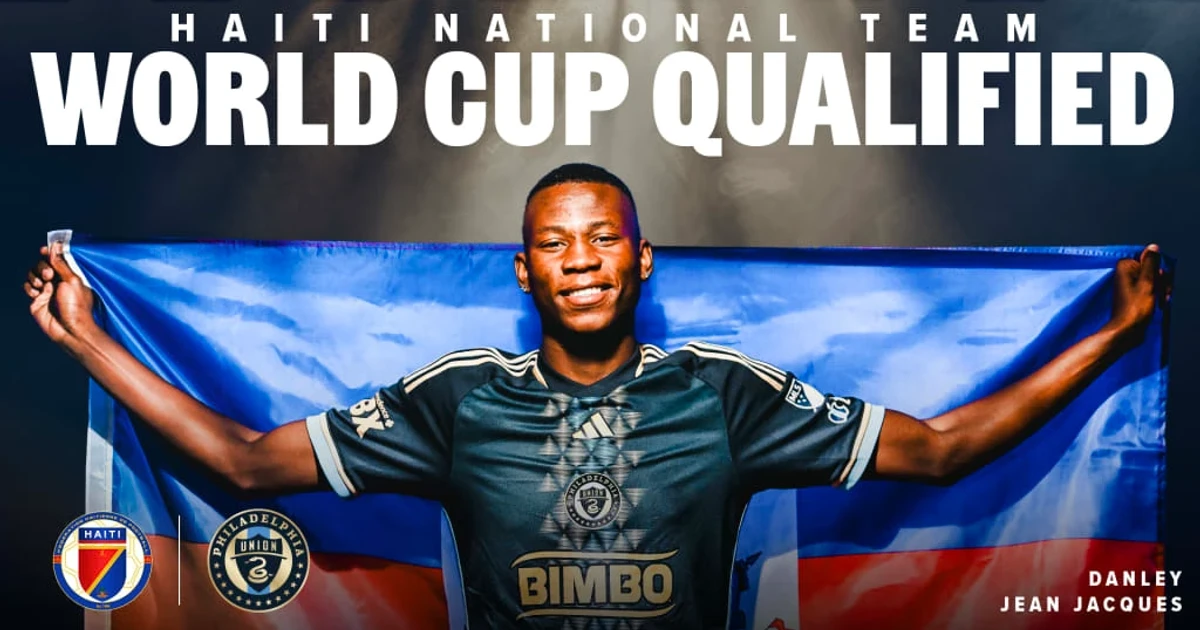
Jozy Altidore sees Haiti’s return to the World Cup as something bigger than a sporting result. For the former U.S. international, whose parents are Haitian, the moment reaches into the diaspora, the country’s hardships and the long hunger for visibility that has shaped Haitian identity far beyond the pitch.
Haiti clinched its place at the FIFA World Cup 2026 on November 19, 2025, when Les Grenadiers finished top of Concacaf’s Group C and sealed qualification with a 2-0 win over Nicaragua. It was Haiti’s first men’s World Cup berth since 1974, and FIFA underscored the significance by framing the comeback as a return after 52 years. The campaign carried an added layer of difficulty: Haiti played all of its home qualifiers in Curaçao, not in Haiti, because of the country’s challenges.
That backdrop helps explain why the qualification landed as a national event, not just a football one. Haiti’s 1974 debut remains the standard bearer for the program, with Emmanuel Sanon scoring twice at that tournament. One of those goals came against Italy and ended Dino Zoff’s famous shutout streak, a detail that still anchors Haitian football memory half a century later.
The modern team has inherited that history while also carrying the weight of a scattered population. Altidore, born in New Jersey to Haitian parents, represented the United States, while other players with Haitian roots have described the emotional pull of that heritage in even starker terms. Derrick Etienne Jr. has spoken of carrying “the pain of Haiti” on his shoulders, a phrase that captures how closely the national team is tied to life off the field.
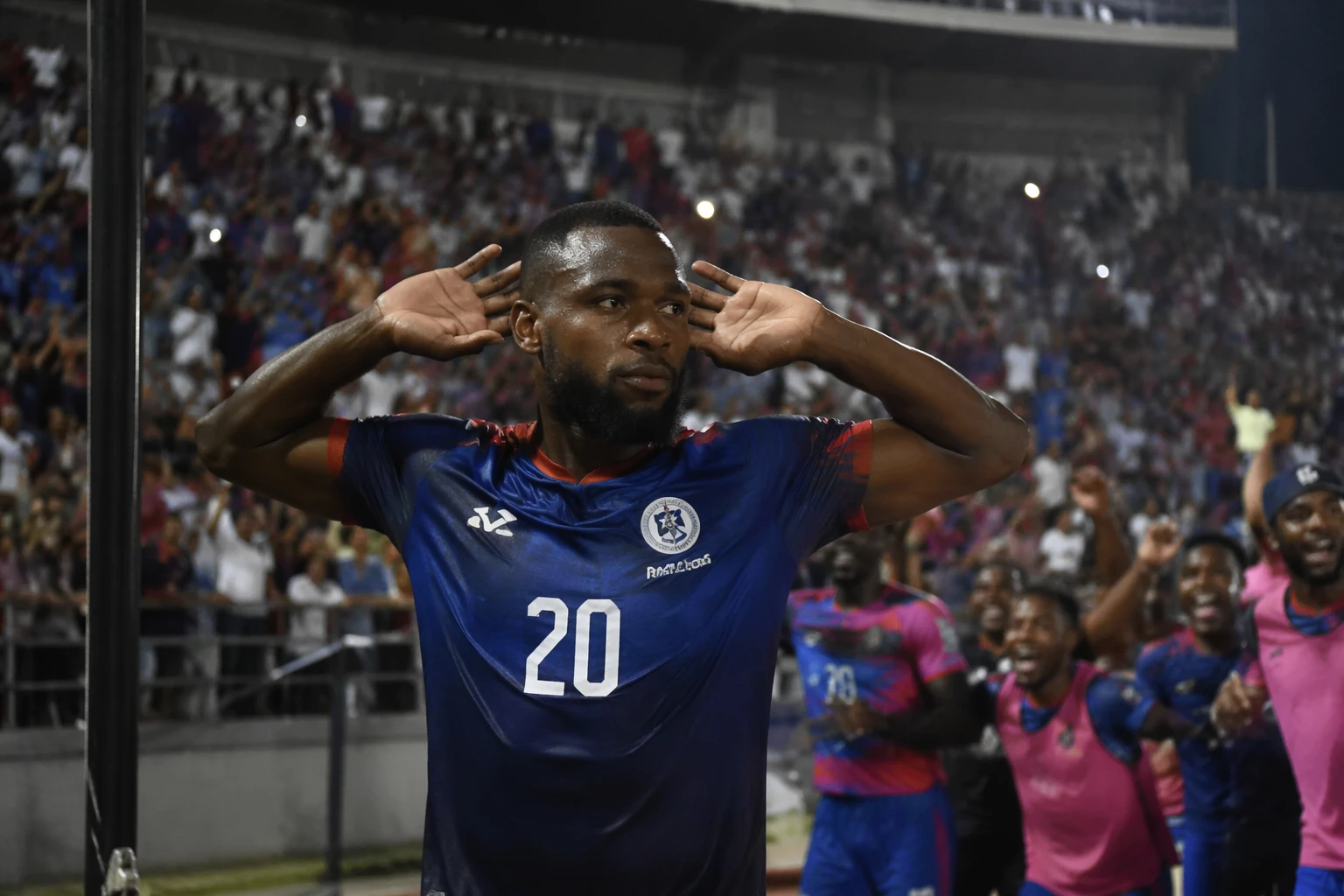
Haiti’s World Cup group adds another layer of difficulty and drama. FIFA placed Haiti in Group C alongside Scotland, Brazil and Morocco, and Haitian defender Ricardo Ade called the Brazil matchup “a dream come true” while saying the team was fighting to make its people proud. In May 2026, Haiti announced its 26-man squad for the tournament, signaling that the return was no symbolic cameo. It was a full competitive entry into the sport’s biggest stage.
For Haiti, the World Cup is not just about surviving a group. It is about being seen, remembered and represented again.
Sources
- [1]telemundo.com
- [2]fifa.com