Sports
Haiti returns to the World Cup, carrying hope amid national crisis
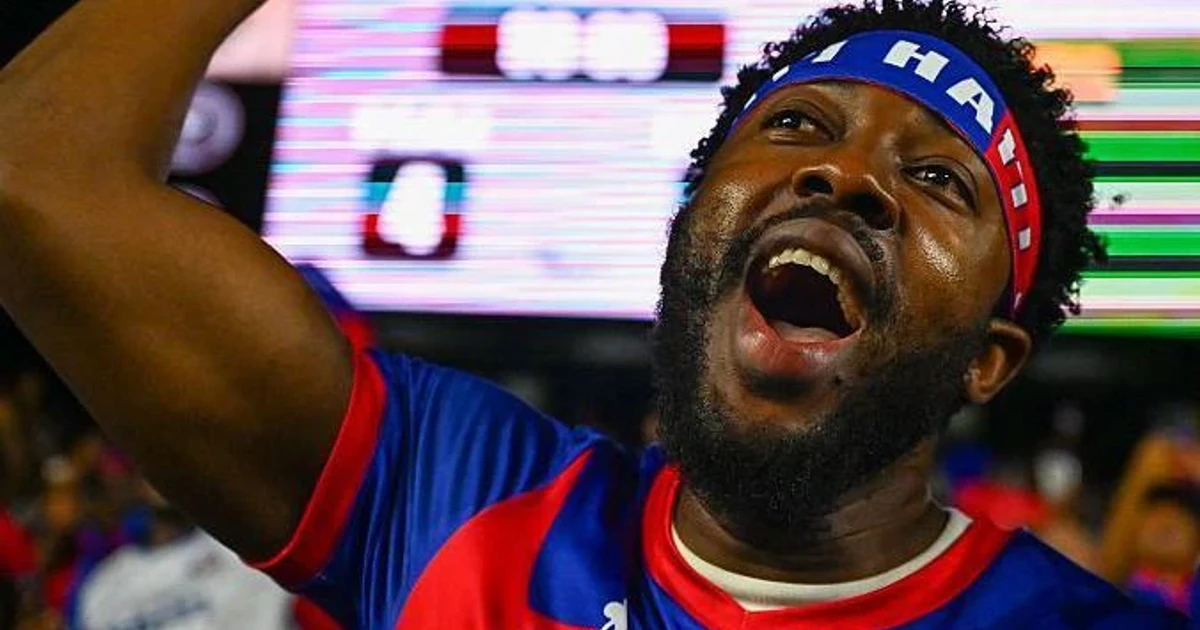
Soccer offered Haiti something the country has struggled to find elsewhere: a shared national moment. By beating Nicaragua 2-0 in Curacao and topping its Concacaf qualifying group, Haiti returned to the men’s World Cup for only the second time, ending a 52-year absence and sending celebrations from Port-au-Prince to Cap-Haïtien and Miragoâne.
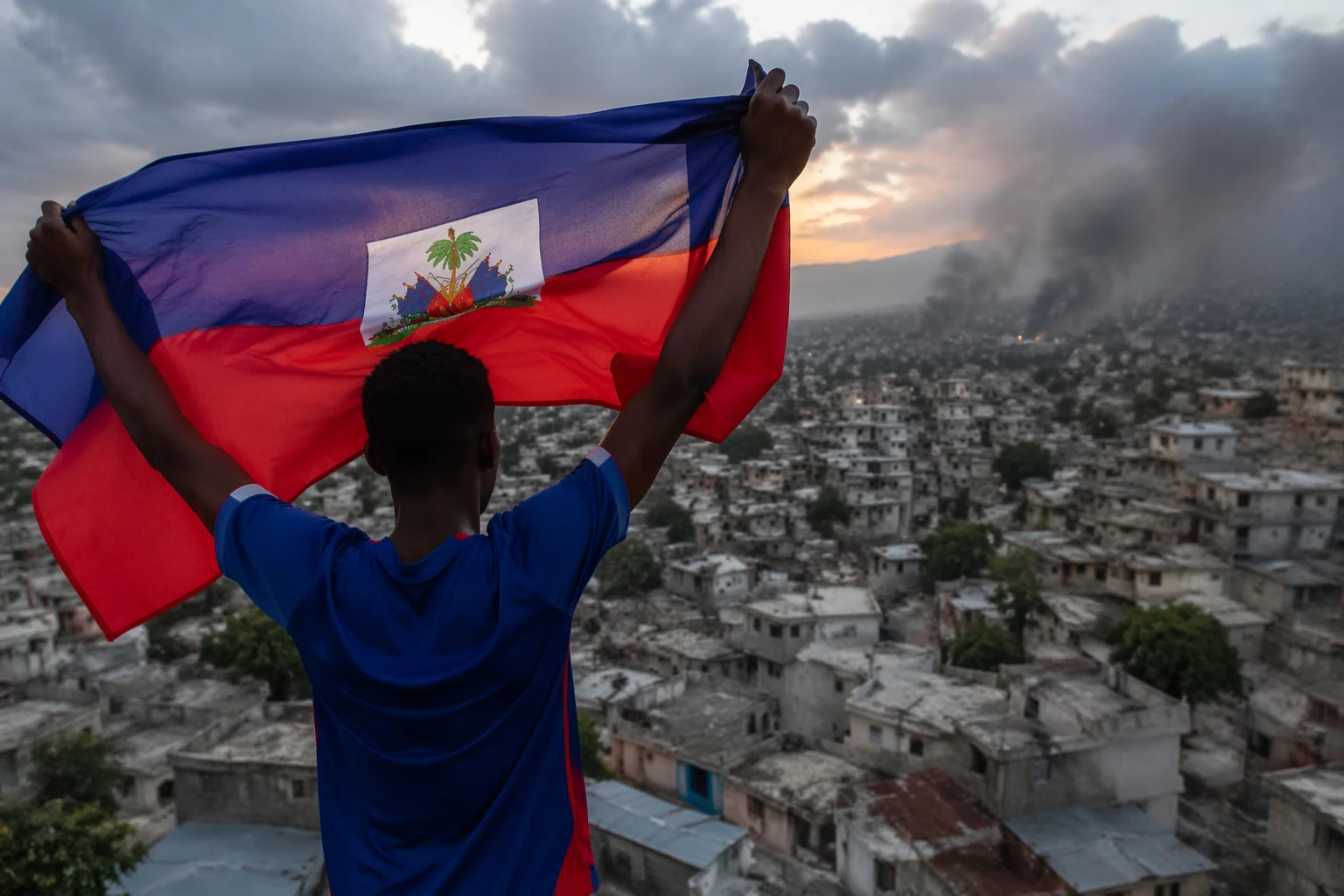
The qualification carried weight far beyond the scoreline. Haiti had to play every one of its “home” qualifiers on neutral ground because gang violence made it impossible to stage senior internationals on Haitian soil, and the national stadium, Stade Sylvio Cator, was taken over by armed gangs in March 2024. The team had not played a senior home international in Haiti since 2021, a stark sign of how deeply the country’s insecurity has hollowed out ordinary public life.
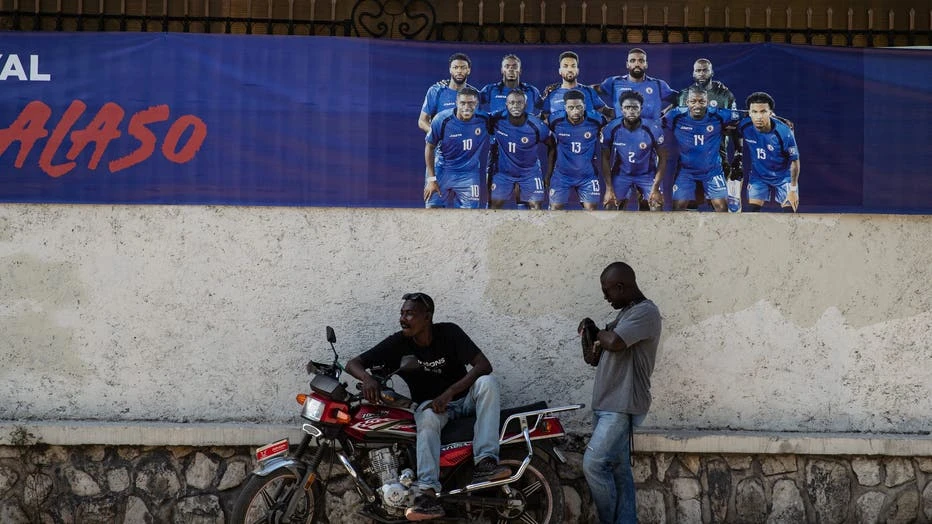
Sebastien Migne, who took over in March 2024, has never been to Haiti and has built much of the squad around diaspora-born players. Captain Johny Placide has been a steady anchor, while Duckens Nazon, Haiti’s record goalscorer, led qualifying with six goals. Their campaign placed them ahead of Honduras, Costa Rica and Nicaragua, a surprise finish that secured a place in Group C alongside Brazil, Scotland and Morocco.
For Haitian supporters, the result landed like a rare collective exhale in a country still shaken by political collapse, displacement and violence. Gangs now control about 90% of Port-au-Prince, and the assassination of President Jovenel Moise in 2021 helped deepen the crisis that has since spread fear through daily life. Yet the celebrations after qualification suggested that football can still reach across those fractures, at least briefly, and give people in different neighborhoods and cities the same reason to cheer.
The timing added another layer of meaning. Haiti’s qualification came on November 18, the anniversary of the Battle of Vertières, the decisive 1803 victory in the struggle for independence from France. That historical resonance has only sharpened the sense that this World Cup return is not just a sporting achievement, but a national symbol at a moment when symbols matter.
There are real limits to how far that feeling can travel. Haitian fans may struggle to reach the tournament in person because the United States’ June 2026 travel ban includes Haiti among 12 countries, and airfare remains out of reach for many. Still, Haiti’s place on soccer’s biggest stage gives the country something rare: a global spotlight and a brief chance to imagine itself as more than its crisis.
Sources
- [1]bbc.com
- [2]kelo.com
- [3]fifa.com
- [4]france24.com
- [5]sports.yahoo.com