US News
Haitian TPS lawyers urge Supreme Court to dismiss Trump appeal
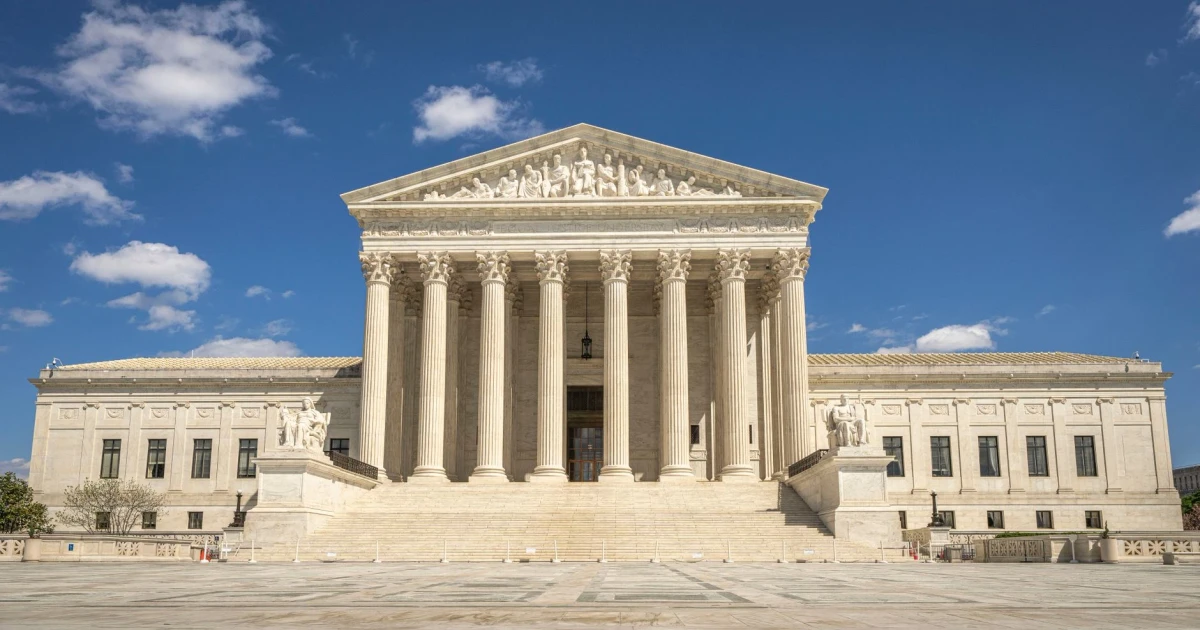
Haitian TPS lawyers have asked the Supreme Court to throw out the Trump administration’s appeal, arguing the justices are being asked to decide the fate of a major immigration protection without a complete factual record. The new filing says recently released documents suggest the Department of Homeland Security did not properly consult on Haiti’s country conditions before moving to end temporary protected status, a move that could affect about 350,000 Haitian nationals in the United States.
The case, Trump v. Miot, is part of a pair of consolidated TPS disputes the court heard on April 29 involving Haitian and Syrian nationals. Haiti’s TPS designation has been in place since 2010, when a devastating earthquake killed more than 200,000 people and left the country facing gang violence, cholera and a weakened central government. The designation was extended repeatedly over the years, but in 2025 DHS Secretary Kristi Noem announced that the Trump administration intended to end it, setting Feb. 3, 2026, as the termination date.
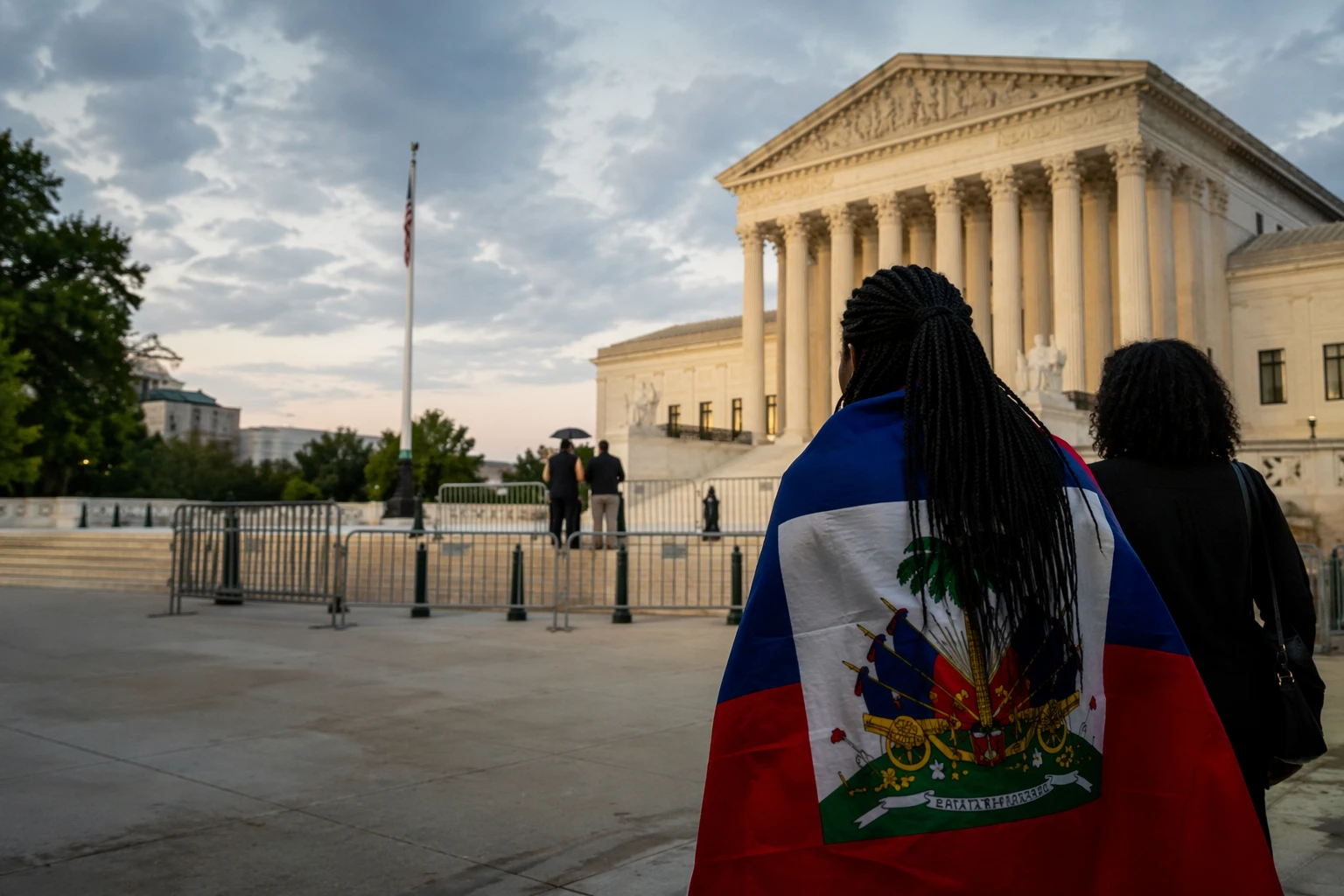
A federal judge in Washington, D.C., blocked that move, and the Supreme Court left those protections in place while the litigation continued. In March, U.S. Citizenship and Immigration Services and E-Verify guidance said Haiti’s TPS and related benefits were slated to end on Feb. 3, but that termination was stayed by court order on Feb. 2. The justices are expected to act by the end of June, making the new evidence especially significant as they weigh whether the administration followed the law before trying to strip protections away.
The plaintiffs’ June 16 request says the newly released documents from a related NTPSA v. Noem case undermine the government’s claim that it consulted the State Department on Haiti’s conditions. UCLA Law said the documents show DHS’s public statements about that consultation were false and that the agency rushed to end the program on national-interest grounds instead. The plaintiffs are also pursuing a racial-discrimination claim, saying the revocation was motivated by race, and Solicitor General John Sauer acknowledged at oral argument that courts can review such allegations.

The dispute reaches beyond Haiti. The administration’s broader TPS push has also targeted Syrians and has drawn warnings from advocates who say it affects roughly 1 million immigrants from 13 countries. Haitian Bridge Alliance and National TPS Alliance have argued that the terminations were unlawful and tainted by racial animus. The first Trump administration also tried to end Haiti TPS, and a federal court found that effort unlawful, a history that now hangs over the Supreme Court’s decision on whether executive power can be used to erase protections without a record that withstands scrutiny.
Sources
- [1]npr.org
- [2]scotusblog.com
- [3]law.ucla.edu
- [4]uscis.gov
- [5]cbsnews.com