World
Hamas Rejects Outside Oversight Amid Gaza Peace Efforts
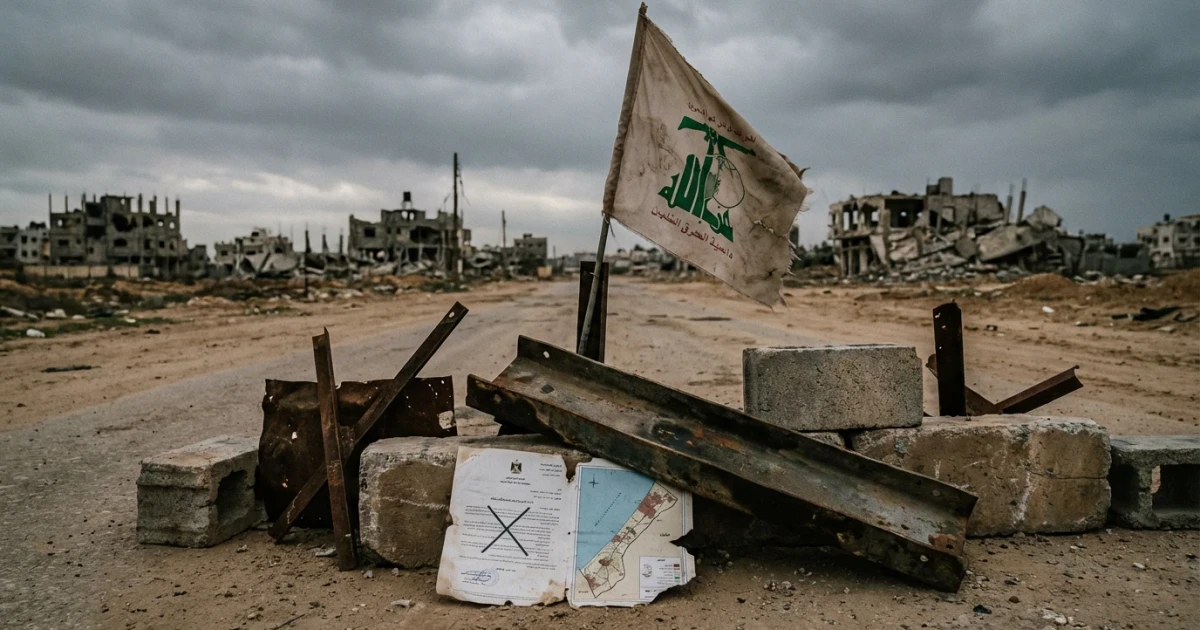
Hamas has signaled a firm rejection of international oversight in Gaza, distancing itself from a core aspect of the Trump administration's peace plan, according to reporting by the New York Post. The group’s stance throws fresh uncertainty on prospects for international engagement in Gaza’s governance and future reconstruction efforts.
Hamas Pushes Back Against International Board
The New York Post reported that Hamas has told an international board to stay out of what it calls its own "affairs," a move widely interpreted as a rejection of external oversight or administration in the territory. This statement appears to mark a shift away from tentative acceptance of elements of the Trump peace initiative, which envisioned international participation in Gaza’s reconstruction and management, according to analysis by The Carter Center on the Trump Peace Plan.
The Trump Peace Plan’s International Component
The 2020 Trump administration’s plan, officially titled "Peace to Prosperity," laid out a framework for resolving the Israeli-Palestinian conflict, with particular attention to Gaza's humanitarian situation. Among its proposals was the creation of an international board or committee to oversee infrastructure projects, economic development, and security arrangements in Gaza. The U.S. Department of State’s Abraham Accords documentation further outlines U.S.-led efforts to involve regional and international actors in supporting peace and rebuilding efforts.
- The Trump plan called for major international investment in Gaza, contingent on Hamas disarmament and a shift in governance.
- The plan’s oversight mechanism was intended to ensure transparency and prevent the diversion of aid.
- International actors, including Arab states and Western donors, have conditioned reconstruction aid on some form of outside monitoring.
Hamas’s Position and Regional Response
Hamas’s latest move reflects longstanding resistance to relinquishing control or accepting external mandates. As noted in research by the Congressional Research Service, such stances complicate international peace efforts and may deepen divisions with rival Palestinian factions and donor states. According to the New York Post, Hamas justified its position by emphasizing Palestinian self-determination and sovereignty in managing Gaza's internal affairs.
While public opinion in the region remains divided, recent Pew Research polling shows skepticism about Hamas among neighboring populations, with many supporting international humanitarian efforts but expressing doubts about the group’s governance.
Humanitarian Impact and Outlook
The humanitarian situation in Gaza continues to be dire, with over 2 million residents facing severe shortages of basic services, and ongoing infrastructure damage following years of conflict. Data from the United Nations and Human Rights Watch highlight the urgent need for large-scale reconstruction and coordinated aid delivery.
By rejecting international oversight, Hamas risks jeopardizing future reconstruction funds and global support. Donor governments and organizations have previously insisted on transparency and accountability measures, wary of resources being diverted for military purposes. As the situation evolves, international actors will likely reassess their strategies for engaging with Gaza and addressing its humanitarian crisis.
Conclusion
Hamas’s decision to push back against international involvement appears to reaffirm its prioritization of autonomy over external support, even as Gaza’s needs grow more acute. This position may complicate ongoing peace and reconstruction efforts, with major stakeholders now facing the challenge of balancing respect for Palestinian self-governance and the imperative for accountability in aid distribution. The coming months will test whether any compromise can be found to align humanitarian needs with political realities in the region.