World
Hantavirus Cases Linked to Dutch Cruise Ship Reach Five
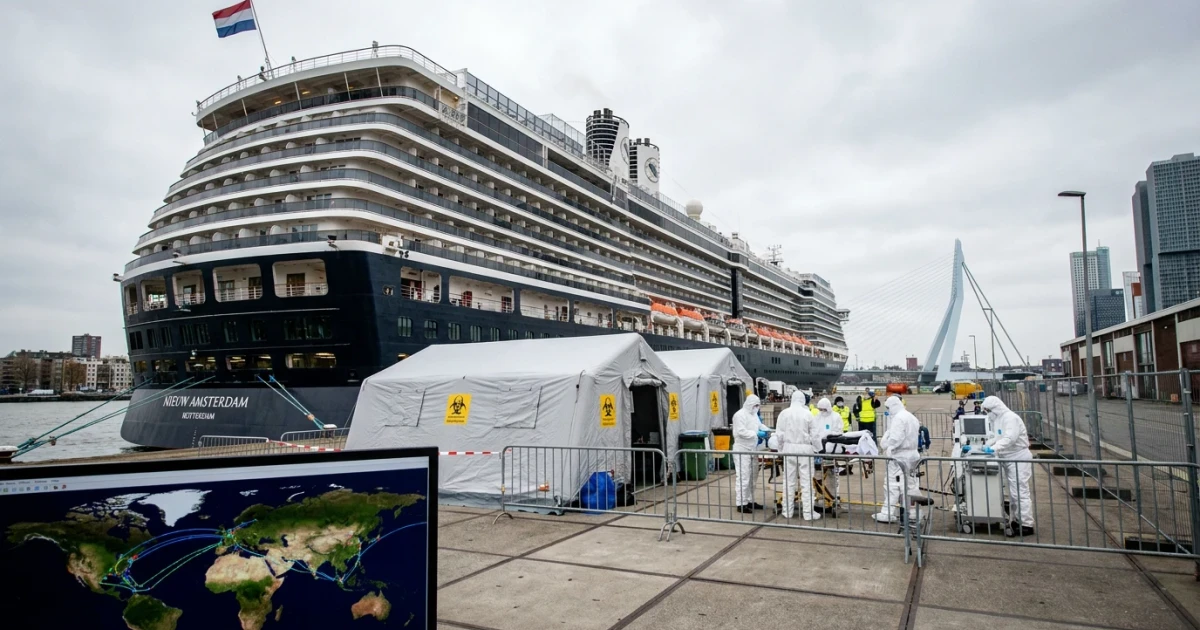
Five cases of hantavirus infection have now been confirmed among passengers from a Dutch cruise ship, according to the World Health Organization (WHO), sparking renewed attention on the disease's spread and public health response in Europe. The development follows a recently reported case in Switzerland, which has accelerated contact tracing efforts as authorities aim to contain potential outbreaks.
Confirmed Cases and International Response
The WHO announced the rise in confirmed cases after initial reports from the Dutch cruise ship, now totaling five. This marks a significant uptick, as cruise ship settings have been known to amplify infectious disease transmission due to close quarters and shared facilities. The organization has also highlighted the importance of rapid tracing and monitoring, particularly after a related case surfaced in Switzerland, leading local health officials to race to identify and monitor contacts who may have been exposed.
Passengers Under Surveillance
Approximately 40 passengers who were aboard the vessel are now under surveillance, as health agencies seek to determine the scope of exposure and prevent further spread. The situation underscores the challenges associated with tracing infections across borders and within transient populations such as cruise travelers.
- The European Centre for Disease Prevention and Control (ECDC) continues to monitor hantavirus cases across the continent, reporting annual fluctuations and regional outbreaks.
- According to the Dutch National Institute for Public Health and the Environment (RIVM), hantavirus infections remain rare but can pose significant risks, particularly in settings where rodent exposure is possible.
- The Centers for Disease Control and Prevention (CDC) notes that cruise ships and group travel environments require heightened vigilance.
Understanding Hantavirus and Its Risks
Hantavirus is a zoonotic virus primarily transmitted to humans through contact with rodent urine, droppings, or saliva. It can cause severe respiratory and renal syndromes, and the infection can escalate rapidly, particularly among vulnerable patients. Outbreaks have been documented in Europe, with risk factors including proximity to rodent habitats and exposure in rural or semi-enclosed environments.
While human-to-human transmission is rare, the clustering of cases on a cruise ship has prompted concern. International guidelines emphasize early detection, isolation, and treatment to prevent severe outcomes, as outlined in CDC technical guidance.
Public Health Measures and Next Steps
Authorities have initiated a series of public health responses:
- Contact tracing and surveillance for all passengers and crew
- Notification of local health agencies in the Netherlands and Switzerland
- Enhanced cleaning and disinfection protocols aboard the cruise ship
- Communications to travelers about symptoms and when to seek care
Experts stress the importance of cross-border collaboration and timely information sharing. According to the WHO, “swift public health action is essential to prevent wider spread and protect vulnerable populations.”
Outbreaks and Surveillance Data
European data show that hantavirus cases, though infrequent, require robust surveillance to detect clusters early. The ECDC annual datasets provide insight into regional trends, and recent research published in peer-reviewed journals emphasizes the need for risk factor analysis in outbreak settings.
Looking Forward
As authorities continue to monitor the situation, the confirmed cases from the Dutch cruise ship signal the need for ongoing vigilance, particularly in group travel environments. Enhanced surveillance, public education, and international cooperation are likely to shape the response in coming weeks. Travelers and health professionals are urged to consult official guidance and report any symptoms promptly.