Health
Hantavirus Cruise Outbreak Raises Concerns, Not Alarm
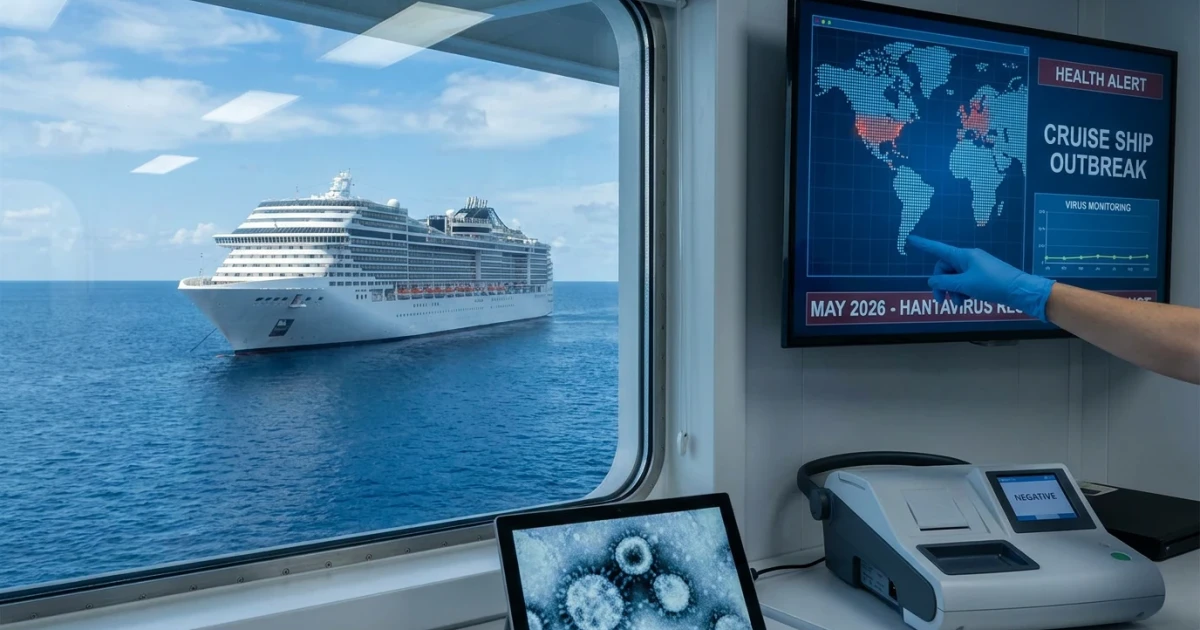
Health officials are addressing rising concerns after a hantavirus outbreak was reported on a cruise ship, emphasizing that while the event is serious, it does not signal the start of a new pandemic. Recent coverage by The Washington Post and ongoing updates from the Centers for Disease Control and Prevention (CDC) outline the current situation and explain why the risk to the broader public remains low.
Details of the Outbreak
The cruise ship outbreak involved several cases of hantavirus infection among passengers and crew. The Washington Post reports that health authorities responded quickly, isolating affected individuals and conducting thorough contact tracing. According to the latest CDC surveillance data, the number of confirmed cases remains limited, and no secondary transmission events have been reported outside the vessel.
- Hantavirus infections on the cruise ship were traced to exposure to contaminated rodent droppings, the primary mode of transmission for the virus.
- No evidence of person-to-person transmission has been found in this outbreak, consistent with existing scientific understanding.
- The CDC continues to monitor the health of all passengers, with no new cases identified since the initial cluster.
Why Hantavirus Is Unlikely to Become a Pandemic
Health officials have been clear in their communications: the characteristics of hantavirus make a widespread pandemic scenario highly unlikely. The CDC’s clinical information and The Washington Post both highlight key factors:
- Transmission Route: Hantavirus is primarily spread through inhalation of aerosolized particles from rodent urine, droppings, or saliva. Unlike respiratory viruses such as influenza or SARS-CoV-2, it does not transmit readily from person to person.
- Containment Measures: The confined environment of the cruise ship enabled rapid containment, reducing the likelihood of ongoing transmission.
- Historical Patterns: Outbreaks of hantavirus in the United States have been rare and generally limited in scope. Surveillance data from the CDC confirm that annual case counts remain low and that outbreaks are typically well-managed.
Symptoms and Response
Hantavirus infection can cause severe respiratory illness, including Hantavirus Pulmonary Syndrome (HPS), which can be fatal in some cases. Early symptoms often resemble the flu, including fever, muscle aches, and fatigue, but can progress rapidly to more serious respiratory distress. Prompt medical attention is critical for affected individuals.
As outlined in the CDC’s resources and publications, public health interventions focus on rodent control, environmental cleaning, and education about avoiding contact with rodent-contaminated areas.
Expert Analysis and Forward Outlook
Both The Washington Post and the CDC emphasize that, despite the attention generated by the cruise ship incident, the risk of a broader outbreak remains minimal. The World Health Organization notes that hantavirus infections are typically sporadic and associated with specific environmental exposures, not sustained human-to-human transmission.
Public health experts continue to monitor the situation and encourage the public to remain informed rather than alarmed. While the cruise ship outbreak is a reminder of the risks posed by zoonotic diseases, the containment measures and biological characteristics of hantavirus make a global pandemic highly improbable.
For those seeking more information, the CDC provides answers to common questions about hantavirus, including prevention strategies and what to do if exposure is suspected.