Health
Hantavirus quarantine ends for 18 Americans exposed on cruise ship
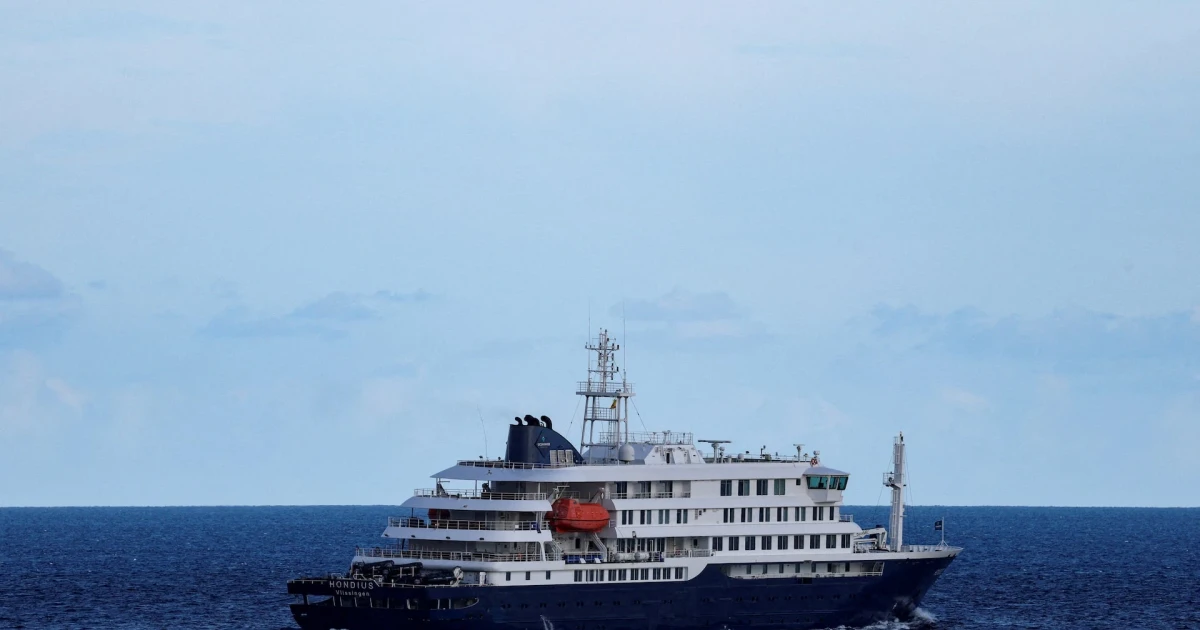
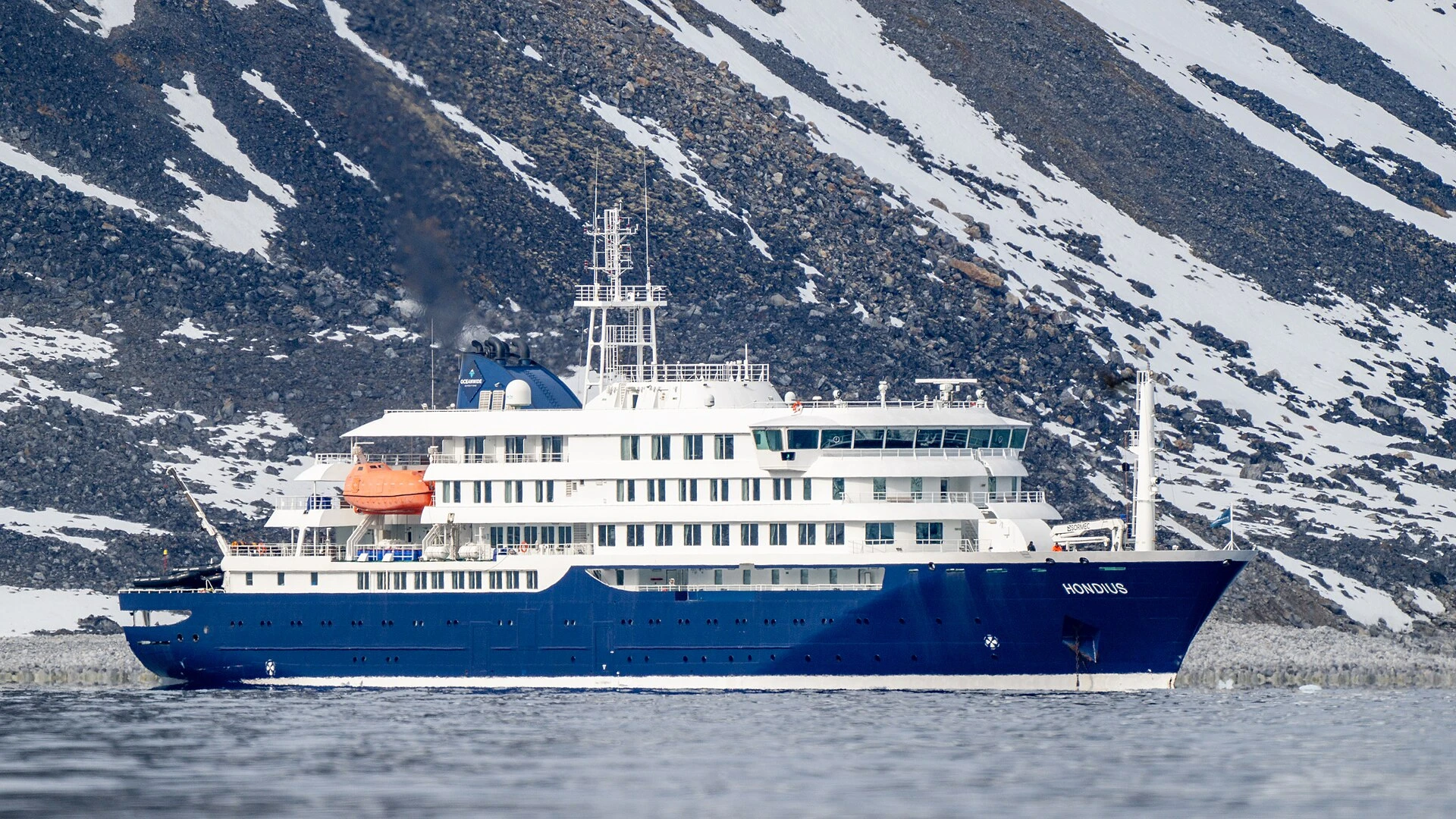
The federal quarantine for 18 Americans exposed to hantavirus on the MV Hondius ended after a 42-day monitoring period at the University of Nebraska Medical Center, with health officials saying the risk to the U.S. public remained extremely low. No hantavirus cases linked to the cruise outbreak were confirmed in the United States.
The response began when the World Health Organization was notified on May 2, 2026, of severe respiratory illness aboard the Dutch-flagged ship, which was carrying 147 passengers and crew. By May 4, WHO reported seven cases, including three deaths, one critically ill patient and three mild cases. The outbreak was later identified as Andes hantavirus, a strain normally found in South America that can cause hantavirus pulmonary syndrome.
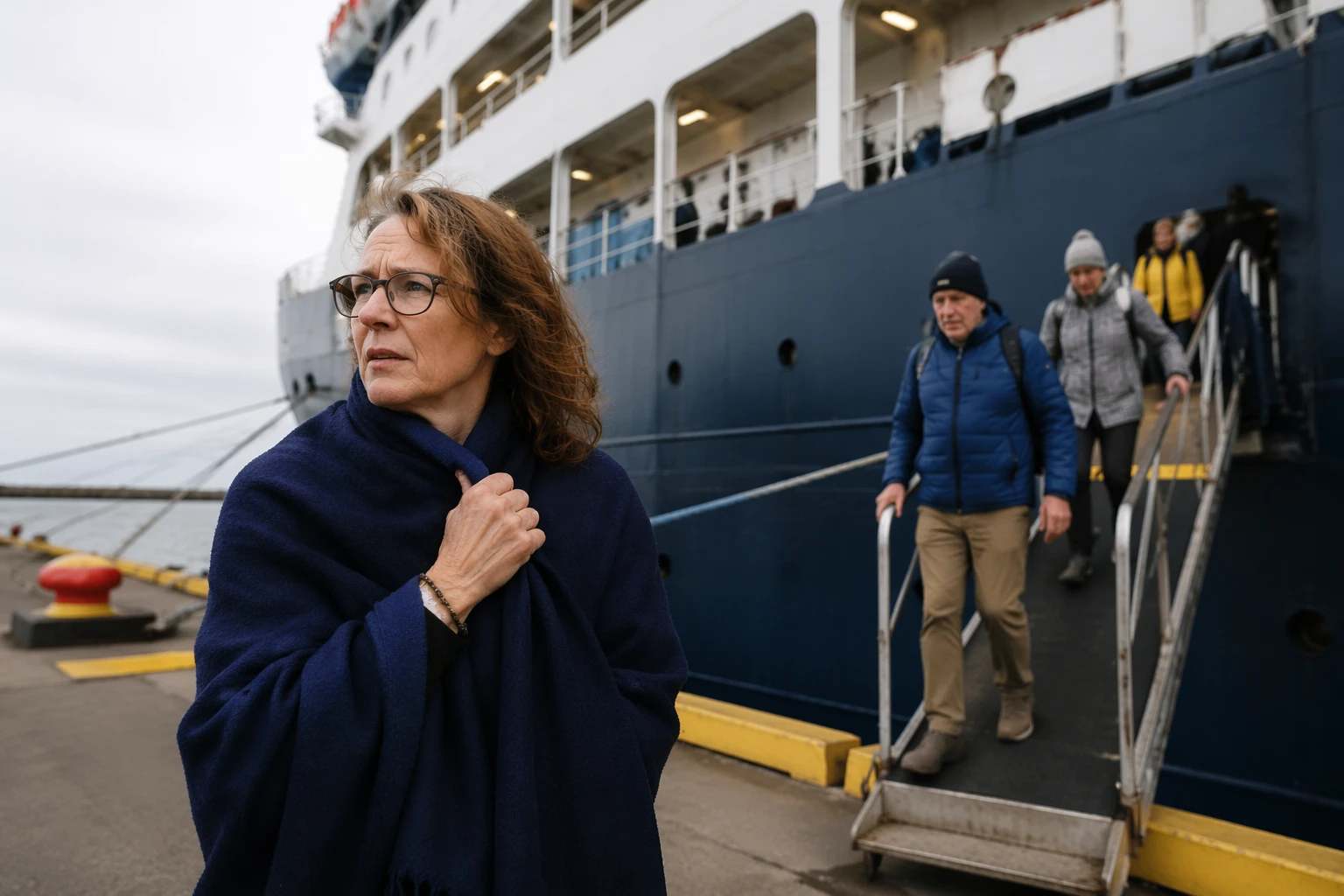
Public-health authorities treated the episode as an international coordination challenge as much as an infection event. WHO said it developed operational guidance for safe disembarkation and onward travel, while CDC worked with U.S. and international partners to repatriate the Americans and place them in the National Quarantine Unit in Nebraska. By CDC’s June update, six people remained at the unit and 12 had returned home to finish monitoring.
The wider shipboard incident reached far beyond the 18 Americans under U.S. observation. The European Centre for Disease Prevention and Control said the vessel had passengers and crew from 23 countries, including nine EU and EEA countries, and WHO later reported cases in France, Spain, Canada, the Netherlands and the United States. WHO also said 34 passengers and crew had disembarked by May 8, adding urgency to decisions about who could travel, who had to isolate and how each country would track exposure.
The episode underscored how officials decide that a threat has passed: by watching for symptoms across the full incubation window, tracing every known exposure and confirming whether infections appear in the countries where travelers dispersed. CDC said Andes virus is not new, and that the public risk remained extremely low, but the cruise ship outbreak still forced health agencies to act across borders, with PAHO fielding public questions at a live Q&A on May 8 as concern spread.
Sources
- [1]news.google.com
- [2]nytimes.com
- [3]cdc.gov
- [4]who.int
- [5]paho.org
- [6]ecdc.europa.eu